
Binge eating can be a challenging battle for many individuals. Whether triggered by stress, emotional upheaval, or simply cravings, it’s important to understand that food choices can significantly influence our eating behaviors. This blog post outlines the top seven foods that can help curb binge eating, providing a nutritional approach to sustaining a healthier relationship with food.
Understanding Binge Eating
What is Binge Eating?
Binge eating disorder (BED) is characterized by intermittent episodes of consuming large quantities of food, often accompanied by feelings of loss of control. It differs from occasional overeating, often triggering emotional distress.
Why It Happens
Binge eating often relates to various factors, including:
- Emotional Stress: Anxiety, depression, or trauma can lead to comfort eating.
- Dieting: Restrictive diets can create an urge to binge.
- Food Environment: Highly palatable foods can stimulate excessive eating.
Recognizing these factors is essential for addressing binge eating. One of the most effective strategies involves making informed food choices.
Top 7 Foods to Help Curb Binge Eating
1. Whole Grains
Whole grains like brown rice, quinoa, and oats are rich in fiber, which aids digestion and keeps you fuller for longer.
- Benefits:
- Stabilizes blood sugar levels
- Helps control cravings
- Provides sustained energy
2. Fruits and Vegetables
High in fiber and water content, fruits and vegetables can satiate hunger without adding excessive calories.
- Examples: Apples, berries, carrots, and leafy greens
- Benefits:
- Nutrient-dense
- Low in calories
- Offers essential vitamins and minerals
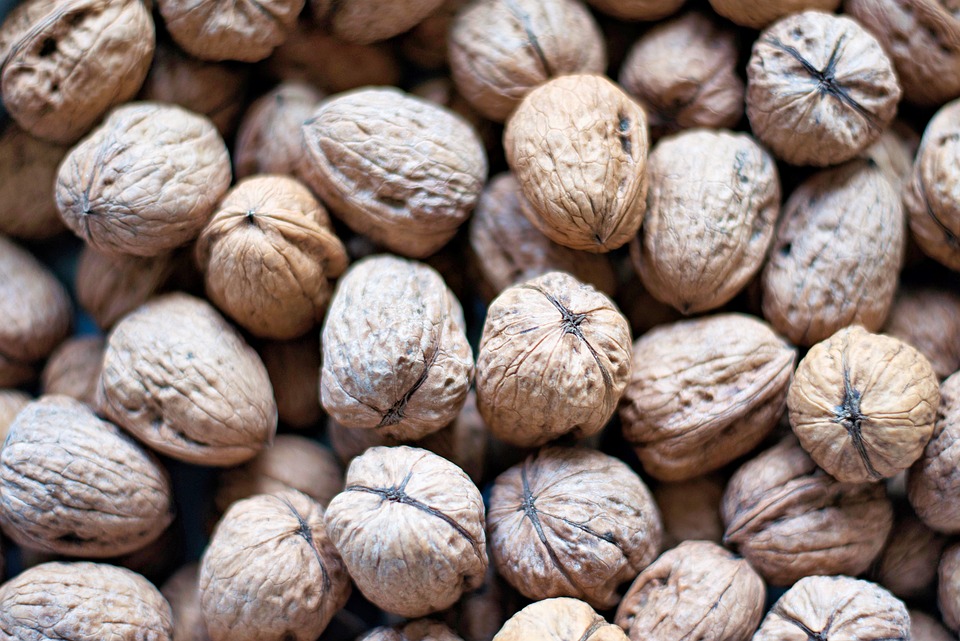
3. Nuts and Seeds
A handful of nuts or seeds can curb cravings and provide healthy fats.
- Options: Almonds, walnuts, chia seeds, and flaxseeds
- Benefits:
- Rich in omega-3 fatty acids
- May improve mood and cognitive function
- Promotes satiety
4. Protein-Rich Foods
Incorporating protein into your meals is essential for feeling full. Whether you prefer plant-based or animal sources, incorporating protein can reduce binge eating episodes.
- Sources:
- Chicken, turkey, and fish for animal protein
- Lentils, beans, and tofu for plant-based protein
- Benefits:
- Regulates hunger hormones
- Stabilizes blood sugar levels
- Supports muscle health
5. Healthy Fats
Though often misunderstood, healthy fats are essential for your overall diet. They provide satiety and can help control cravings.
- Examples: Avocados, olive oil, and fatty fish
- Benefits:
- Helps absorb fat-soluble vitamins
- Provides anti-inflammatory properties
- Promotes heart health
6. Fermented Foods
Probiotics found in fermented foods can improve gut health, which has been linked to mood regulation and better eating habits.
- Options: Yogurt, kefir, sauerkraut, and kimchi
- Benefits:
- Enhances digestive health
- May reduce anxiety and stress levels
- Improves mood stabilizers
7. Dark Chocolate
Yes, you read that right! In moderation, dark chocolate can be a powerful tool against binge eating.
- Benefits:
- Contains antioxidants
- May reduce levels of cortisol (the stress hormone)
- Satisfies sweet cravings without excessive sugar
Creating a Balanced Plate: Tips for Success
Incorporating these foods into your diet can be an effective strategy for managing binge eating. However, it’s not just about what you eat; it’s also how you approach meals.
Meal Planning
- Keep it diverse: Incorporate various foods to ensure nutritional balance.
- Listen to your body: Eat when you’re truly hungry, and stop when you’re satisfied.
Mindful Eating
- Slow down: Take your time to savor each bite.
- Eliminate distractions: Turn off electronics and focus solely on your meal.
Staying Hydrated
- Water intake: Sometimes, we confuse hunger with thirst; ensure you drink enough water throughout the day.
The Importance of Professional Guidance
While these foods can help curb binge eating, it’s vital to seek guidance from healthcare professionals. Registered dietitians and therapists can provide personalized plans and coping strategies tailored to your specific needs.
Conclusion
Binge eating can feel like an overwhelming challenge, but understanding the role of nutrition offers a proactive approach. By incorporating whole grains, fruits, vegetables, nuts, seeds, protein-rich foods, healthy fats, fermented foods, and even dark chocolate, you can cultivate a more balanced relationship with food.
Remember, it’s essential to consult professionals who can provide support tailored to your unique situation. Embrace this journey towards self-improvement and nourishment, and rejoice in the power of food as a tool for wellness.
Take Action!
Start today by updating your grocery list to include these binge-busting foods. Your path to a healthier relationship with food starts now!
By focusing on nutritious choices and strategies that support mental well-being, you can conquer binge eating and enjoy a more fulfilling lifestyle.