
In a world where the quest for a healthy diet is ever-present, the importance of choosing foods that have a low glycemic index (GI) cannot be overstated. Foods with a low GI help maintain stable blood sugar levels, improve overall health, and provide enduring energy. In this article, we’ll explore the top 20 low GI foods that you should include in your diet today.
What is the Glycemic Index?
The glycemic index (GI) is a ranking of carbohydrates in foods according to how they affect blood sugar levels. Foods with a low GI (55 or less) are digested slowly, leading to a gradual rise in blood sugar and providing longer-lasting energy. In contrast, high GI foods (70 or more) cause a rapid spike in blood sugar, which can lead to quick dips in energy and increased hunger.
Benefits of Low GI Foods
- Stable Energy Levels: Low GI foods provide steady energy, making them great for athletic performance and daily activities.
- Weight Management: They help control hunger and promote satiety, which can lead to weight loss and maintenance.
- Reduced Risk of Chronic Diseases: A low GI diet may lower the risk of developing Type 2 diabetes and cardiovascular issues.
- Improved Digestive Health: Many low GI foods, such as fruits and vegetables, are high in fiber, which is good for digestion.
Top 20 Low GI Foods
In this section, we’ll highlight 20 amazing low GI foods that you can easily incorporate into your meals.
1. Quinoa
Quinoa is a nutrient-packed grain and a complete protein source. It has a low GI of around 53.
2. Chickpeas
Chickpeas are versatile legumes that can be used in salads, soups, and hummus. Their GI is approximately 28.
3. Barley
Rich in fiber and nutrients, barley has a GI of about 28 and is a great addition to soups and stews.
4. Sweet Potatoes
These delicious roots are not only tasty but also healthy, with a GI ranging from 44 to 61, depending on cooking method.
5. Lentils
Lentils are an excellent source of protein and fiber, with a low GI of just 21. They are perfect for hearty soups and salads.
6. Whole Grain Bread
Choose whole grain over white. Whole grain bread usually has a GI of around 50, depending on the brand.
7. Oats
Rolled or steel-cut oats make for a fantastic breakfast with a GI of about 55, making them an excellent choice to kickstart your day.
8. Nuts
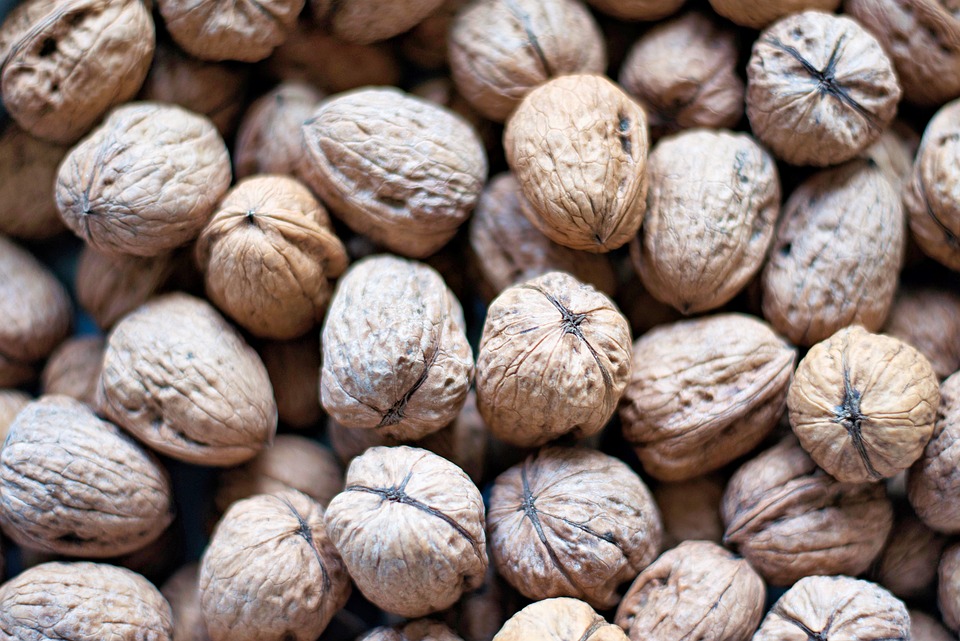
Almonds, walnuts, and other nuts have virtually no GI, making them a great snack option that provides healthy fats and protein.
9. Berries
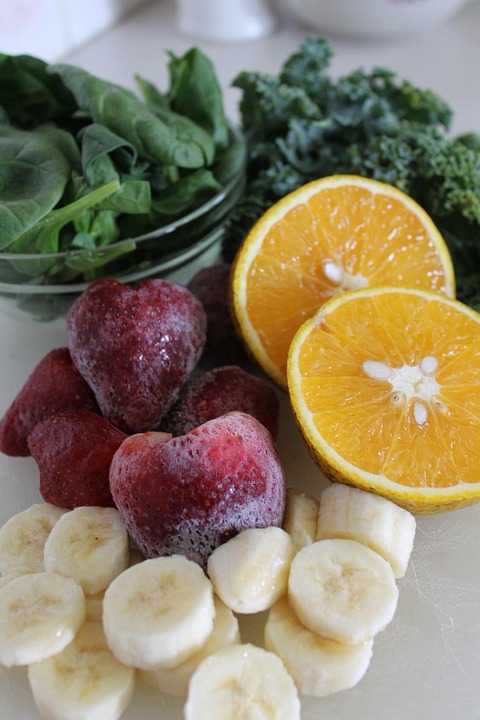
Berries like strawberries, blueberries, and raspberries typically have a GI of less than 40. They’re rich in antioxidants and vitamins.
10. Grapefruit
This citrus fruit has a low GI of around 25 and is known for its fat-burning properties. Great for breakfast or as a snack.
11. Apples
With a GI of approximately 38, apples are an accessible and nutritious snack. They are high in fiber and vitamin C.
12. Carrots
Raw carrots have a low GI of around 16, making them a crunchy and satisfying snack loaded with beta-carotene.
13. Tomatoes
Tomatoes have a GI below 15 and are rich in lycopene, beneficial for heart health and overall wellbeing.
14. Greens
Spinach, kale, and broccoli typically have very low GIs, making them ideal for salads and smoothies, aiding weight loss and nutrient intake.
15. Cottage Cheese
With a low GI of approximately 30, cottage cheese is high in protein and can work well in both savory and sweet dishes.
16. Greek Yogurt
Greek yogurt has a GI of about 11 and is lower in sugar than regular yogurt while being high in protein.
17. Beets
Beets have a GI of around 64 but are generally considered a low GI food due to their fiber content and nutritional benefits.
18. Zucchini
Zucchini has a very low GI of about 15, making it a great addition to various recipes, from stir-fries to baked goods.
19. Brown Rice
A healthier alternative to white rice, brown rice has a GI of around 50. It offers more nutrients, fiber, and flavor.
20. Dark Chocolate
With a GI of about 23, dark chocolate can satisfy your sweet tooth in a healthier way, especially when it contains at least 70% cocoa.
Tips to Incorporate Low GI Foods into Your Diet
- Plan Your Meals: Set aside time each week to prepare low GI meals and snacks.
- Snack Wisely: Choose low GI snacks like nuts or berries instead of chips or candies.
- Experiment with Recipes: Use low GI ingredients in your favorite recipes to create healthier versions of traditional dishes.
- Educate Yourself: Familiarize yourself with the GI of your favorite foods to make informed choices.
Conclusion
Incorporating low GI foods into your diet can lead to numerous health benefits, from stable energy levels to improved digestive health. By choosing these 20 low GI foods, you’re setting the stage for better overall wellness. Remember, a balanced diet rich in low GI options, combined with regular exercise, is key for a healthier lifestyle. Start today by adding these nutritious foods to your shopping list and reap the rewards of a stable and energized life!
Whether you’re looking to manage your weight, improve your health, or simply enjoy delicious, nutritious food, the low glycemic index foods mentioned in this article can fit perfectly into your daily routine. Why wait? Begin your journey towards a healthier, low GI lifestyle today!