
Eating low glycemic foods is a popular and effective approach to managing blood sugar levels, boosting energy, and promoting overall health. The glycemic index (GI) measures how quickly foods raise blood sugar levels. For those looking to improve their diet or manage conditions like diabetes, incorporating low glycemic foods can be incredibly beneficial. In this article, we’ll explore the top 10 low glycemic foods you can easily include in your cooking.
What is the Glycemic Index?
Before diving into the foods, let’s briefly understand the glycemic index. The GI ranges from 0 to 100:
- Low GI: 55 or less
- Medium GI: 56 to 69
- High GI: 70 or more
Low GI foods are digested slowly, leading to a gradual release of glucose into the bloodstream, which helps in maintaining stable energy levels and controlling hunger.
Why Choose Low Glycemic Foods?
Incorporating low glycemic foods into your diet can have numerous health benefits:
- Stable Blood Sugar Levels: Reduces spikes in blood sugar.
- Increased Satiety: Helps in managing hunger, keeping you full longer.
- Weight Management: Supports weight loss and prevents weight gain.
- Improved Brain Function: Steady energy levels can enhance focus and mental clarity.
Top 10 Low Glycemic Foods
Let’s take a closer look at the top 10 low glycemic foods you can easily add to your meals.
1. Legumes
Legumes, such as lentils, chickpeas, and black beans, are rich in fiber and protein. They help regulate blood sugar levels while providing sustained energy.
- Cooking Tip: Use them in salads, stews, or as a base for veggie burgers.
2. Sweet Potatoes
With a GI of around 44, sweet potatoes offer a delicious alternative to regular potatoes. They are packed with vitamins, minerals, and antioxidants.
- Cooking Tip: Roast them with olive oil and herbs or mash them for a creamy side dish.
3. Whole Grains
Whole grains like quinoa, barley, and brown rice have a lower GI than their refined counterparts. They are also rich in fiber, which aids digestion.
- Cooking Tip: Use whole grains as a base for salads or grain bowls, combined with proteins and vegetables.
4. Berries
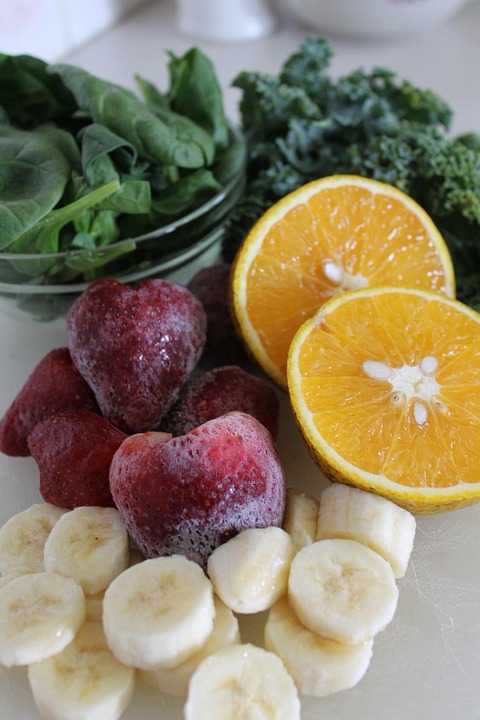
Berries, such as strawberries, blueberries, and raspberries, not only satisfy sweet cravings but also have a low glycemic index. They’re high in antioxidants and vitamins.
- Cooking Tip: Add them to your morning oatmeal, smoothies, or desserts for a nutritious touch.
5. Nuts and Seeds
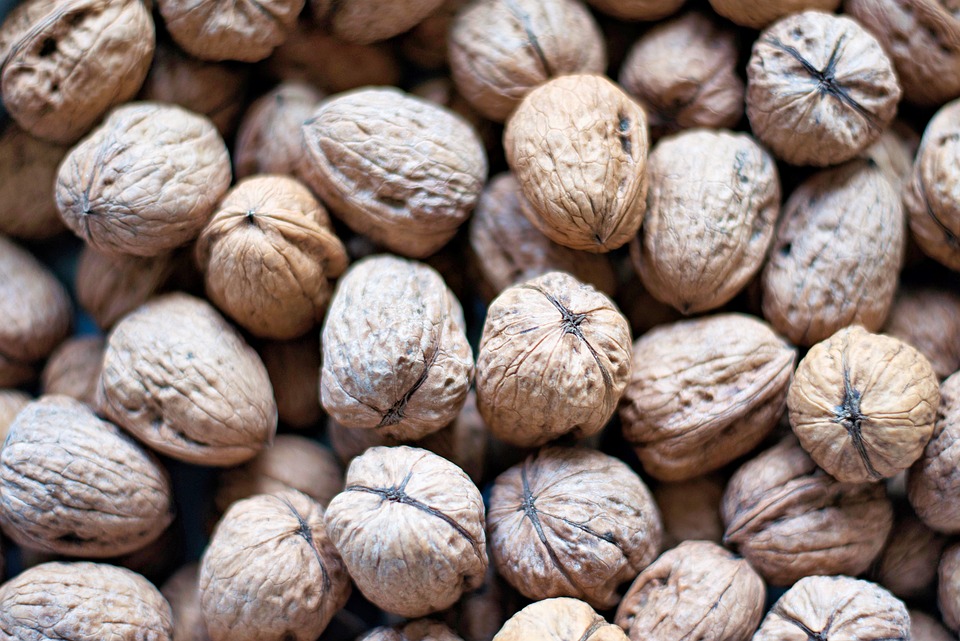
Almonds, walnuts, chia seeds, and flaxseeds are excellent sources of healthy fats, protein, and fiber. They have a minimal impact on blood sugar levels.
- Cooking Tip: Sprinkle them on salads, blend in smoothies, or enjoy as a snack.
6. Non-Starchy Vegetables
Vegetables like spinach, broccoli, and bell peppers are incredibly low in calories and carbohydrates. They are packed with essential nutrients, making them an ideal choice.
- Cooking Tip: Sauté them with garlic and olive oil or toss them into soups and stews.
7. Greek Yogurt
Greek yogurt is a fantastic low glycemic dairy option, high in protein and probiotics. It promotes gut health while keeping sugar levels in check.
- Cooking Tip: Enjoy it with fresh fruit or use it as a base for salad dressings.
8. Cinnamon
Cinnamon has been shown to help regulate blood sugar levels. It’s a flavorful spice that can enhance many dishes.
- Cooking Tip: Sprinkle it on oatmeal, yogurt, or baked goods for added flavor and health benefits.
9. Dark Chocolate
Good news for chocolate lovers! Dark chocolate (with at least 70% cocoa) has a lower GI than milk chocolate, plus beneficial antioxidants.
- Cooking Tip: Use dark chocolate in desserts or enjoy a small piece as an afternoon snack.
10. Avocado
Rich in healthy fats and fiber, avocados have a low GI score and are excellent for heart health. They help you feel satiated and curb cravings.
- Cooking Tip: Add avocado to salads, toast, or smoothies for a creamy texture and added nutrition.
Tips for Cooking with Low Glycemic Foods
Incorporating low glycemic foods into your cooking doesn’t have to be complicated. Here are some tips to help you get started:
- Plan Your Meals: Take time to plan meals around low GI foods, ensuring a variety of flavors and nutrients.
- Experiment with Recipes: Try new recipes that highlight these foods. For example, create a quinoa salad with roasted vegetables and a lemon dressing.
- Mix and Match: Combine different low glycemic foods to create balanced meals. For instance, pair legumes with whole grains and non-starchy vegetables for a satisfying dish.
- Monitor Portion Sizes: Even healthy foods can impact blood sugar if eaten in large quantities. Be mindful of your portions.
Conclusion
Incorporating low glycemic foods in your diet is essential for maintaining a stable blood sugar level and promoting overall health. By including our list of the top 10 low glycemic foods—legumes, sweet potatoes, whole grains, berries, nuts, non-starchy vegetables, Greek yogurt, cinnamon, dark chocolate, and avocado—you can enjoy delicious meals while enjoying the health benefits associated with them.
So, why wait? Start experimenting with these foods in your kitchen today. Your body will thank you for it!
By optimizing your meals with these low glycemic foods, you can enhance your health and well-being, leading to a happier, healthier lifestyle. Happy cooking!