
Managing Type 2 diabetes doesn’t just involve medications and regular check-ups; your diet plays a crucial role as well. With the right food choices, you can effectively manage blood sugar levels, maintain a healthy weight, and reduce the risk of complications. In this article, we’ll explore the ultimate list of foods that can help you gain better control over Type 2 diabetes.
Understanding Type 2 Diabetes
Type 2 diabetes is a chronic condition that affects how your body metabolizes sugar, leading to high blood sugar levels. It’s essential to focus on foods that promote stable blood sugar levels and provide essential nutrients.
Key Nutritional Principles for Type 2 Diabetes
Before we dive into specific foods, let’s discuss some general dietary principles that should guide your food choices:
Focus on Whole Foods
Whole foods, such as fruits, vegetables, whole grains, and lean proteins, are less processed and typically contain more nutrients. They often have a lower glycemic index (GI), which means they have a smaller impact on blood sugar levels compared to processed foods.
Opt for Low Glycemic Index Foods
The glycemic index measures how quickly a food raises blood sugar levels. Foods with a low GI score provide a steadier release of energy and help keep blood sugar levels stable.
Portion Control is Key
Even healthy foods can contribute to weight gain and blood sugar spikes if eaten in large quantities. Being mindful of portion sizes can make a huge difference in managing diabetes.
The Ultimate List of Foods for Type 2 Diabetes Control
1. Leafy Greens
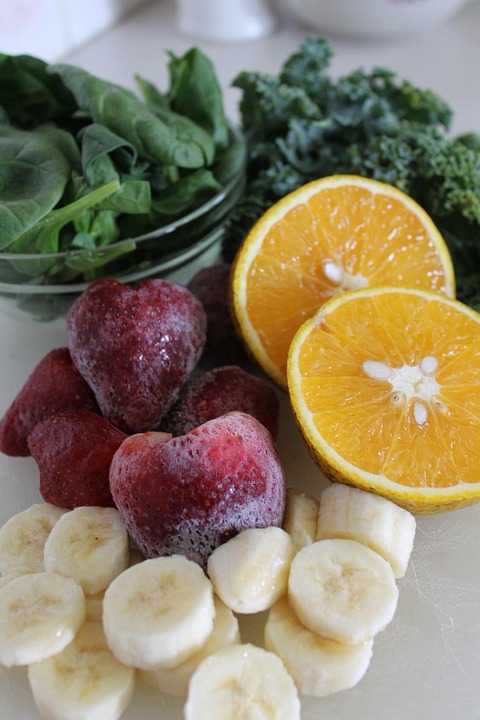
Leafy greens are powerhouse foods that provide numerous health benefits. They’re low in calories and carbohydrates while being rich in essential vitamins and minerals.
- Examples: Spinach, kale, collard greens, Swiss chard
- Benefits: High in antioxidants and fiber, which can improve insulin sensitivity.
2. Whole Grains
Whole grains are an excellent source of fiber, which can help regulate blood sugar levels.
- Examples: Quinoa, barley, brown rice, whole oats
- Benefits: Slow-digesting carbohydrates help maintain stable energy levels throughout the day.
3. Legumes
Legumes are packed with protein and fiber, making them ideal for blood sugar control.
- Examples: Lentils, chickpeas, black beans, kidney beans
- Benefits: High fiber content lowers the risk of blood sugar spikes.
4. Nuts and Seeds
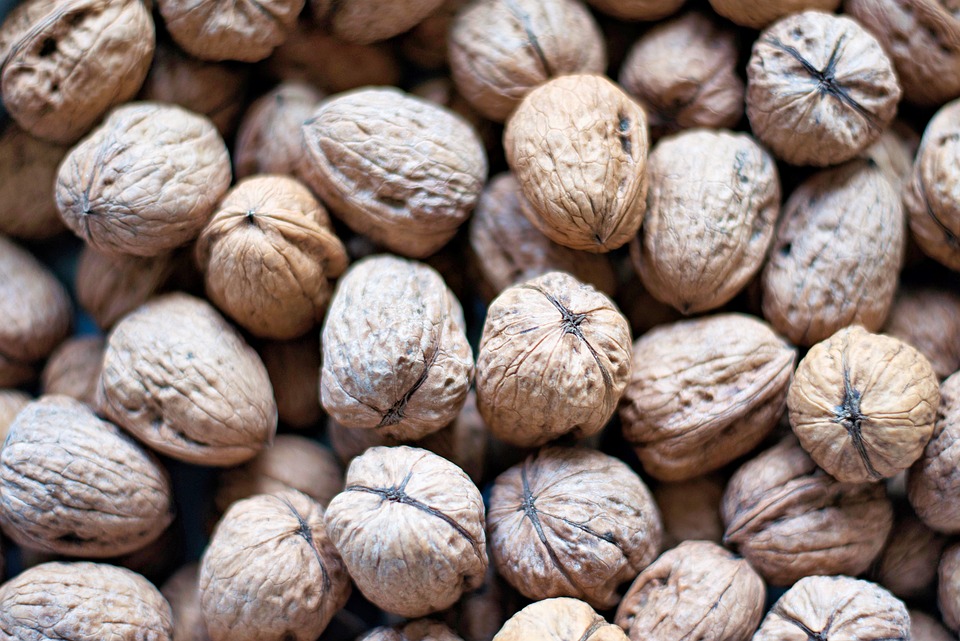
Nuts and seeds are nutrient-dense and provide healthy fats that can help improve heart health.
- Examples: Almonds, walnuts, chia seeds, flaxseeds
- Benefits: Provide magnesium, known to support insulin function and improve blood sugar control.
5. Berries
Berries are lower in sugar than many other fruits and are high in antioxidants.
- Examples: Blueberries, strawberries, blackberries, raspberries
- Benefits: Rich in fiber and vitamins; have anti-inflammatory properties that help reduce the risk of diabetes complications.
6. Fish and Lean Proteins
Incorporating lean protein sources can help stabilize blood sugar levels.
- Examples: Salmon, mackerel, chicken breast, tofu
- Benefits: Omega-3 fatty acids found in fish can lower inflammation and improve heart health.
7. Healthy Fats
Incorporating healthy fats into your diet can keep you satisfied and reduce sugar cravings.
- Examples: Avocado, olive oil, fatty fish
- Benefits: Help control hunger and improve nutrient absorption.
8. Non-Starchy Vegetables
Non-starchy vegetables are low in calories and high in fiber, making them excellent choices for diabetics.
- Examples: Broccoli, zucchini, bell peppers, asparagus
- Benefits: Full of vitamins, minerals, and antioxidants that support overall health.
9. Fermented Foods
Fermented foods can promote gut health, which is increasingly recognized as important for overall health and diabetes management.
- Examples: Yogurt, kefir, sauerkraut, kimchi
- Benefits: Probiotics can enhance metabolic efficiency and improve insulin sensitivity.
10. Herbs and Spices
Using herbs and spices can not only enhance flavor but also offer health benefits.
- Examples: Cinnamon, turmeric, garlic, ginger
- Benefits: Some spices are known to lower blood sugar levels and improve insulin sensitivity.
Foods to Limit or Avoid
While there are many foods that can help control Type 2 diabetes, there are also certain foods to limit:
- Sugary Beverages: Soft drinks, sweetened teas, and energy drinks can spike blood sugar levels.
- Refined Carbs: White bread, pastries, and snacks made with white flour can pose a risk.
- Trans Fats: Found in processed foods, these can increase inflammation and heart disease risk.
- Excessive Alcohol: Can lead to fluctuations in blood sugar levels.
Conclusion
Managing Type 2 diabetes through diet doesn’t have to be overwhelming. By incorporating these nutrient-dense foods into your meals and snacks, you can maintain a healthy lifestyle while effectively controlling your blood sugar levels. Remember, consulting a healthcare provider or a nutritionist can help tailor a plan that best suits your needs.
By making small, sustainable changes, you can take significant steps towards better diabetes management. Enjoy experimenting with these foods, and remember that balance and moderation are key to a successful long-term strategy.
This comprehensive guide to foods for Type 2 diabetes control not only provides essential information but also aims at empowering you to make informed choices about your dietary habits. For more insights and tips, keep exploring resources that support your health journey!