
Hormones play a crucial role in our overall health and well-being, influencing everything from mood and energy levels to weight management and reproductive health. However, imbalances can lead to various issues, including fatigue, anxiety, weight gain, and even chronic diseases. If you’re seeking ways to restore balance to your hormonal health, this ultimate guide will provide you with actionable strategies to balance hormones naturally.
Introduction
In today’s fast-paced world, it’s common to experience stress, poor dietary choices, and lifestyle habits that can disrupt hormone levels. Learning how to balance hormones naturally can help you regain control over your health. This guide will delve into the causes of hormonal imbalances, signs to look out for, and effective lifestyle changes you can implement.
Understanding Hormonal Imbalances
What Are Hormonal Imbalances?
Hormonal imbalances occur when there is too much or too little of a hormone in the bloodstream. They can stem from various causes, including:
- Stress
- Poor diet
- Lack of sleep
- Sedentary lifestyle
- Environmental toxins
- Medical conditions (e.g., PCOS, thyroid disorders)
Signs and Symptoms of Hormonal Imbalances
Hormonal imbalances can manifest in various ways. Some common signs include:
- Fatigue and low energy levels
- Mood swings and irritability
- Unexplained weight gain or loss
- Irregular menstrual cycles
- Sleep disturbances
- Skin problems (e.g., acne, dryness)
- Digestive issues
Natural Strategies for Balancing Hormones
1. Diet Modifications
A well-balanced diet can significantly impact your hormonal health. Consider the following dietary changes:
Load Up on Whole Foods
- Fruits and Vegetables: Rich in antioxidants and vitamins that support hormone production.
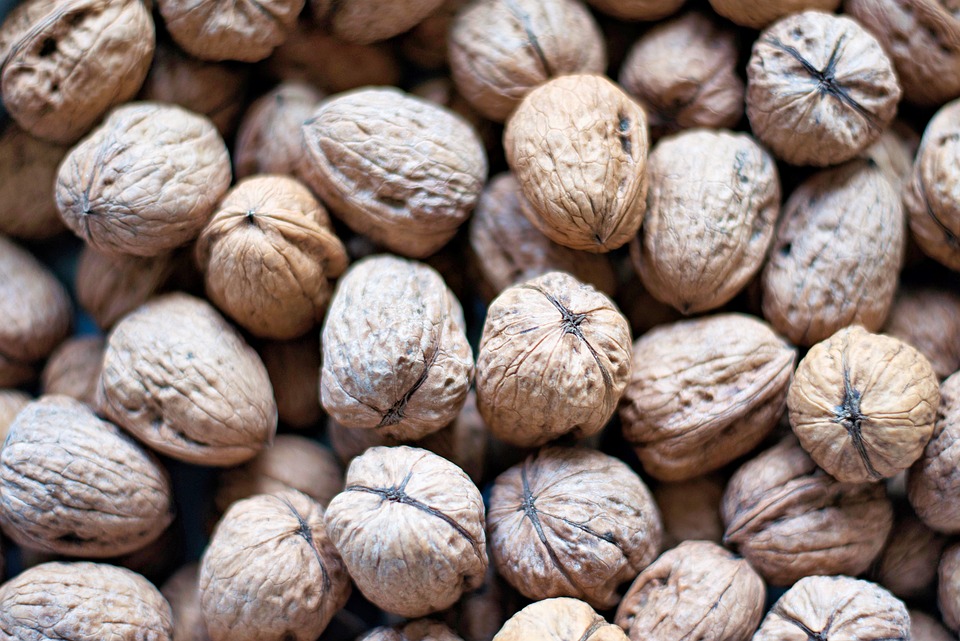
- Healthy Fats: Incorporate avocados, nuts, and olive oil to help regulate hormone levels.
- Lean Proteins: Opt for grass-fed meat, fish, and legumes to ensure adequate amino acids for hormone synthesis.
Limit Processed Foods
- Avoid sugary snacks, refined carbs, and trans fats that can lead to insulin resistance and other hormonal issues.
2. Manage Stress Effectively
Chronic stress is one of the leading causes of hormonal imbalances. Try the following to reduce stress levels:
- Mindfulness and Meditation: Practicing mindfulness helps reduce cortisol levels, promoting hormonal balance.
- Yoga and Exercise: Regular physical activity helps alleviate stress and balances hormones through endorphin release.
3. Prioritize Sleep
Adequate sleep is vital for hormone regulation. Aim for 7-9 hours of quality sleep per night by:
- Creating a Sleep Routine: Go to bed and wake up at the same time daily, even on weekends.
- Reducing Screen Time: Limit exposure to electronic devices at least an hour before bedtime to improve sleep quality.
4. Incorporate Natural Supplements
Some supplements may help support hormonal balance naturally. Always consult with a healthcare professional before starting any new supplement regimen.
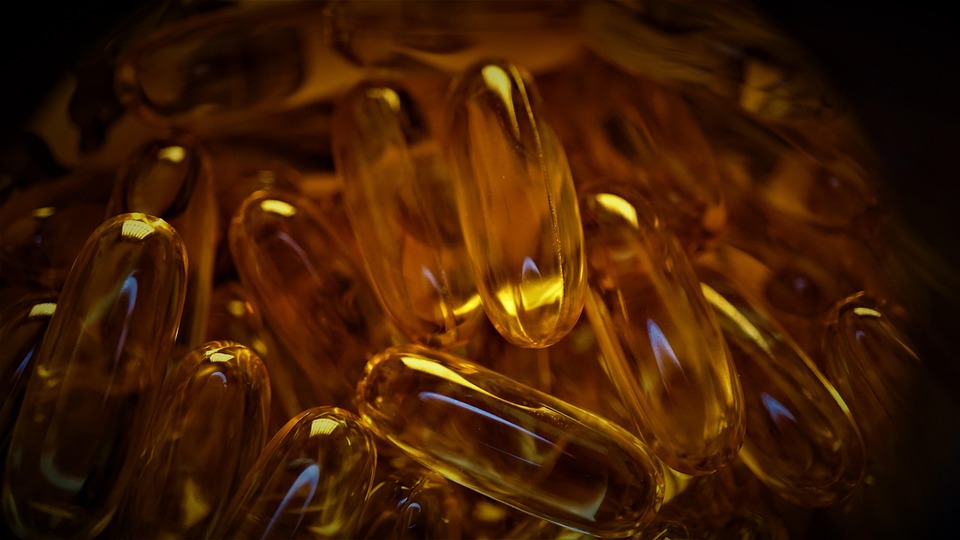
- Omega-3 Fatty Acids: Found in fish oil, these can help reduce inflammation and support hormonal balance.
- Magnesium: This mineral can aid in stress reduction and improve insulin sensitivity.
- Vitamin D: A deficiency can lead to hormonal imbalances; consider getting sun exposure or taking a supplement.
5. Stay Hydrated
Water plays a critical role in bodily functions, including hormonal regulation. Aim to drink at least 8 glasses of water daily and consider adding:
- Herbal teas (e.g., peppermint, chamomile) to help with relaxation.
- Lemon water to aid digestion and support liver function.
6. Limit Exposure to Toxins
Environmental toxins can disrupt hormonal functions. Minimize exposure by:
- Using natural cleaning and personal care products.
- Choosing organic foods when possible to limit pesticide exposure.
- Reducing plastic use, particularly for food storage.
Frequently Asked Questions
How long does it take to see results from natural hormone balancing?
While individual experiences may vary, many people notice changes within a few weeks of adopting healthier habits. However, more significant improvements may take several months.
Can I balance hormones without medication?
Yes, many lifestyle changes can support hormonal balance naturally. However, consult a healthcare professional for specific issues or severe imbalances.
Are there any specific foods to avoid for hormonal balance?
Yes, try to limit or avoid:
- High-sugar foods
- Processed meals
- Caffeine and alcohol
- Refined oils
Conclusion
Balancing hormones naturally involves a combination of diet, stress management, and lifestyle changes. By implementing these strategies, you can reclaim your hormonal health and improve your overall well-being. Remember that consistency is key; adopting these practices as part of your daily routine will yield the best results. If you continue to experience symptoms, consult with a healthcare professional for personalized advice and treatment.
Taking the first steps toward a more balanced hormonal state might seem challenging, but the benefits are well worth the effort. Start today, and enjoy the journey to better health!
With this comprehensive guide, you’ll be empowered with the knowledge and tools to effectively balance your hormones naturally, leading to a healthier, happier life.