Introduction
The GLP-1 (Glucagon-Like Peptide-1) diet has gained popularity for its potential to support weight loss and manage blood sugar levels. With the rise of GLP-1 receptor agonists like semaglutide and liraglutide, many individuals are looking for ways to enhance their results through diet. In this comprehensive guide, we’ll explore the ultimate GLP-1 diet food list, detailing what to eat, what to avoid, and why these choices matter.
What is the GLP-1 Diet?
The GLP-1 diet focuses on foods that can naturally influence the body’s production of GLP-1, a hormone that helps regulate appetite, insulin secretion, and gastric emptying. By prioritizing foods that support your body’s natural hormone balance, you can enhance weight loss, improve metabolic health, and promote overall well-being.
What to Eat on a GLP-1 Diet
Incorporating nutrient-dense foods can optimize your diet and complement GLP-1 medications. Below is a detailed food list that you should consider including in your daily meals:
1. Vegetables
Why: Low in calories and high in fiber, vegetables can fill you up while providing essential nutrients.
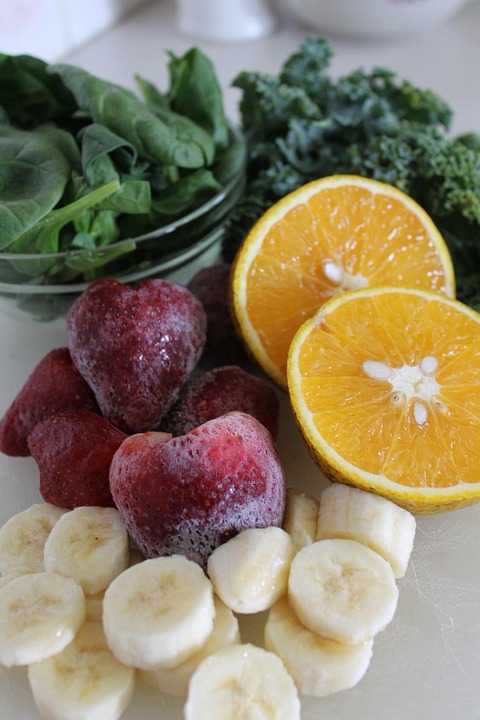
- Leafy greens: Spinach, kale, and Swiss chard
- Cruciferous vegetables: Broccoli, cauliflower, and Brussels sprouts
- Colorful options: Bell peppers, carrots, and tomatoes
2. Fruits
Why: Moderation is key, as fruits contain natural sugars. Opt for those with low glycemic indexes.
- Berries: Blueberries, raspberries, and strawberries
- Citrus fruits: Oranges, lemons, and grapefruits
- Pomes: Apples and pears
3. Whole Grains
Why: Whole grains provide complex carbohydrates and fiber, aiding digestion and keeping you full.
- Quinoa
- Brown rice
- Oats
- Whole-grain bread
4. Lean Protein Sources
Why: Protein is vital for muscle building and repairing tissue, and it can help keep you satiated.
- Fish: Salmon, mackerel, and sardines (rich in omega-3 fatty acids)
- Poultry: Chicken and turkey
- Plant-based options: Lentils, chickpeas, beans, and tofu
5. Healthy Fats
Why: Fats can help promote fullness and provide essential fatty acids.
- Avocado
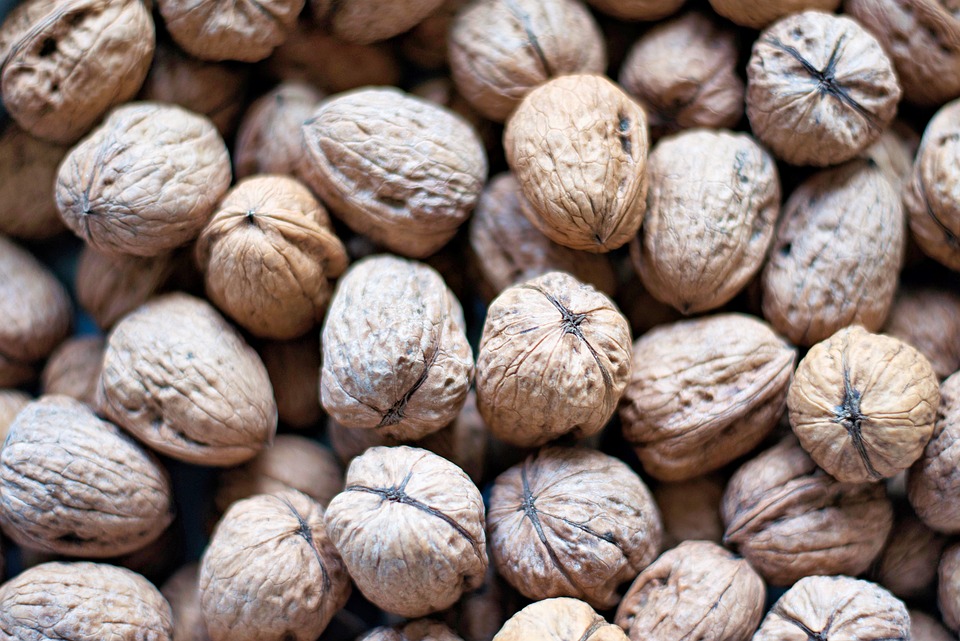
- Nuts and seeds: Almonds, walnuts, chia seeds, and flaxseeds
- Olive oil and coconut oil
What to Avoid on a GLP-1 Diet
To maximize the benefits of the GLP-1 diet, it’s equally important to know which foods to limit or avoid.
1. Processed Foods
Why: Often high in added sugars, unhealthy fats, and sodium, processed foods can disrupt hormone balance and promote inflammation.
- Fast food
- Packaged snacks
- Sugary cereals
2. Sugary Items
Why: Foods and drinks high in sugar can lead to insulin spikes and cravings.
- Candy
- Soda and sugary drinks
- Pastries and desserts
3. Refined Carbohydrates
Why: These can rapidly increase blood sugar levels without providing nutritional benefits.
- White bread
- White rice
- Pasta made from refined flour
4. High-Calorie Beverages
Why: Liquid calories can contribute to weight gain by not satisfying hunger.
- Sweetened coffee drinks
- Alcoholic beverages (especially sweet cocktails)
Creating Balanced Meals
Now that you know what to eat and what to avoid, let’s discuss how to create balanced meals on a GLP-1 diet.
Meal Composition
- Fill half your plate with vegetables.
- Add a lean protein source.
- Incorporate a serving of whole grains.
- Include a healthy fat for flavor and satiety.
Example Meal Ideas
- Breakfast: Overnight oats topped with berries and a sprinkle of chia seeds
- Lunch: Spinach salad with grilled chicken, cherry tomatoes, avocado, and olive oil dressing
- Dinner: Baked salmon with quinoa and roasted Brussels sprouts
- Snacks: A handful of almonds or carrot sticks with hummus
Tips for Success on the GLP-1 Diet
- Stay Hydrated: Drink plenty of water throughout the day to support digestion and overall health.
- Plan Your Meals: Meal prepping can help you stay on track and avoid impulsive eating.
- Listen to Your Body: Understand hunger cues and eat mindfully to prevent overeating.
- Consult a Healthcare Provider: Before starting any new diet, especially if you’re on medication, it’s important to seek professional guidance.
Conclusion
The GLP-1 diet is a powerful tool in the journey toward better health and weight management. By focusing on nutrient-rich foods and avoiding processed items, you can support your body’s natural hormone balance, enhance your well-being, and promote sustainable weight loss. Remember, consistency is key—adopting a lifestyle centered around these food choices will yield the best results over time. Always consult a healthcare professional for personalized advice, especially when integrating dietary changes with medications.
By following this ultimate GLP-1 diet food list, you’ll be well on your way to making informed choices that benefit your health and enhance your lifestyle. Happy eating!
This article provides a comprehensive overview of the GLP-1 diet and emphasizes key food choices, ensuring it’s both informative and engaging for readers. By using relevant keywords and organizing the content logically, it is also optimized for search engines and readability.