
In a world filled with trendy diets and health fads, the Blue Zone Diet stands out as a sustainable lifestyle choice that promotes longevity and overall wellness. But what exactly is the Blue Zone Diet? Rooted in the eating habits of regions where people live significantly longer, the Blue Zone Diet not only focuses on the types of foods consumed but also integrates lifestyle choices that contribute to health and well-being. This article will explore the essence of the Blue Zone Diet, its key food components, and how you can incorporate it into your lifestyle for better health and longevity.
What Are Blue Zones?
Before diving into the diet, let’s understand what Blue Zones are. Blue Zones are five regions around the world where people live significantly longer, often reaching age 100 and beyond. These areas include:
- Okinawa, Japan
- Sardinia, Italy
- Nicoya Peninsula, Costa Rica
- Ikaria, Greece
- Loma Linda, California, USA
Common Traits of Blue Zone Inhabitants
People in these regions share certain lifestyle factors that contribute to their longevity:
- Strong Social Connections: Community and family provide emotional support.
- Purpose and Meaning: Many have a clear sense of purpose, which contributes to happiness.
- Regular Physical Activity: Incorporating movement naturally into daily life, not rigid gym routines.
The Blue Zone Diet: Key Components
The Blue Zone Diet focuses on a plant-based approach, rich in whole foods and minimally processed items. Here are the main components:
1. Fruits and Vegetables
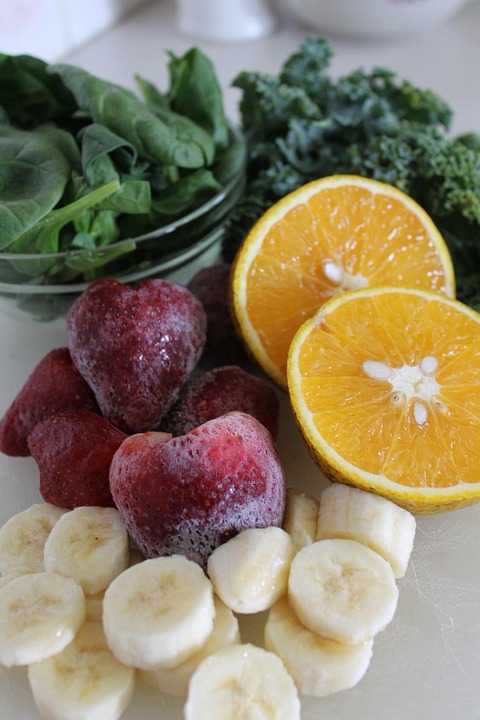
Fruits and vegetables are cornerstones of the Blue Zone Diet. They are packed with essential vitamins, minerals, and antioxidants. Aim for:
- Leafy greens (spinach, kale)
- Cruciferous vegetables (broccoli, cauliflower)
- Colorful fruits (berries, oranges, apples)
2. Whole Grains
Whole grains are an excellent source of fiber and nutrients. They help in stabilizing blood sugar and providing long-lasting energy. Incorporate:
- Brown rice
- Quinoa
- Oats
- Barley
3. Legumes and Nuts
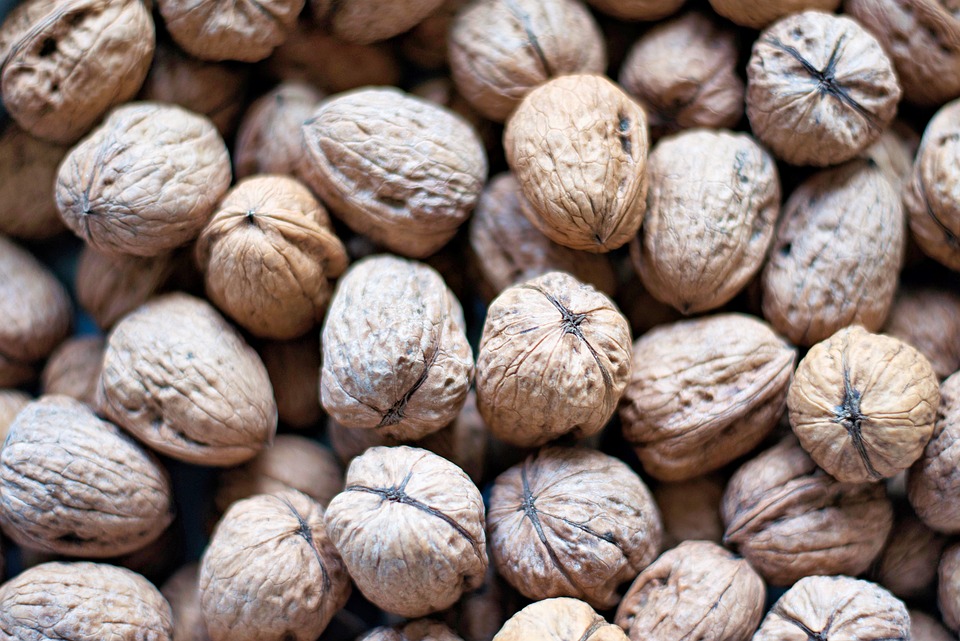
Legumes, such as beans and lentils, are rich in protein and fiber. Nuts provide healthy fats and are known for their heart benefits. Regularly eat:
- Lentils
- Chickpeas
- Almonds
- Walnuts
4. Healthy Fats
Instead of saturated fats, Blue Zone inhabitants consume healthy fats primarily from plants. Focus on:
- Extra virgin olive oil
- Avocado
- Chia seeds
- Omega-3 rich foods like fish (in moderation)
5. Moderate Dairy and Red Meat
In many Blue Zones, dairy is consumed in moderation, often in the form of fermented products like yogurt and cheese. Red meat, when eaten, is limited to a few times a month.
6. Herbs and Spices
Instead of relying on salt, these diets make use of various herbs and spices that provide flavor and additional health benefits. Key options include:
- Garlic
- Turmeric
- Oregano
- Ginger
7. Water and Herbal Teas
Staying hydrated is crucial. Most Blue Zone residents drink:
- Water
- Herbal teas (such as chamomile and green tea)
How to Incorporate the Blue Zone Diet into Your Lifestyle
Transitioning to the Blue Zone Diet doesn’t have to be overwhelming. Here are some actionable steps to get started:
1. Gradual Changes
Begin by gradually adding more fruits and vegetables to your meals. Try a plant-based recipe once a week and increase from there.
2. Meal Prep
Plan your meals for the week to minimize the temptation of processed foods. Make healthy snacks, such as cut-up vegetables and legumes, readily available.
3. Cook at Home
Prepare meals at home using fresh ingredients. This allows you to control what goes into your food while exploring new, healthy recipes.
4. Join a Community
Engage with others who are interested in healthy living. Consider joining a cooking class or a local gardening group to share tips and recipes.
The Science Behind the Blue Zone Diet
Research has shown that diets rich in fruits, vegetables, and whole grains can lower the risk of chronic diseases, including heart disease, diabetes, and certain cancers. Additionally, these diets promote better brain health and mental clarity, which are crucial as we age.
Conclusion: Eating for Longevity
Adopting the Blue Zone Diet is not just about what you eat; it’s about embracing a holistic approach to life. Incorporating whole, plant-based foods, engaging in regular physical activity, and nurturing social connections can all contribute to a healthier, longer life.
By making small changes in your daily eating habits and lifestyle, you can take significant steps toward increased longevity and improved health. So why wait? Start your journey towards vibrant health with the Blue Zone Diet today!
FAQs
1. Is the Blue Zone Diet vegetarian or vegan?
While it emphasizes plant-based foods, the Blue Zone Diet allows for moderate consumption of dairy and meat, making it flexible but not strictly vegetarian or vegan.
2. Can I still eat processed foods?
The Blue Zone Diet encourages minimizing processed foods and focusing on whole, natural ingredients.
3. How can I find recipes aligned with the Blue Zone Diet?
Many online resources and cookbooks focus specifically on Blue Zone recipes, allowing you to explore delicious and nutritious options.
Embrace the wisdom of the Blue Zones and discover how small dietary changes can lead to significant improvements in your health and longevity.