As we age, staying physically active becomes increasingly important. While the notion of fitness often brings to mind high-intensity workouts and grueling gym sessions, low-impact workouts offer a gentler and more suitable alternative for seniors. In this article, we will delve into the benefits of low-impact workouts for seniors and how they can maintain fitness and improve overall well-being at any age.
What are Low-Impact Workouts?
Low-impact workouts are exercises that do not put excessive strain on the joints, making them an excellent option for seniors or for anyone recovering from injury. These exercises typically involve slower movements, allowing individuals to engage their muscles without causing undue stress.
Examples of Low-Impact Workouts
- Walking: A simple and effective way to get moving.
- Swimming: Provides a full-body workout with minimal joint stress.
- Cycling: Gentle on the joints while boosting cardiovascular health.
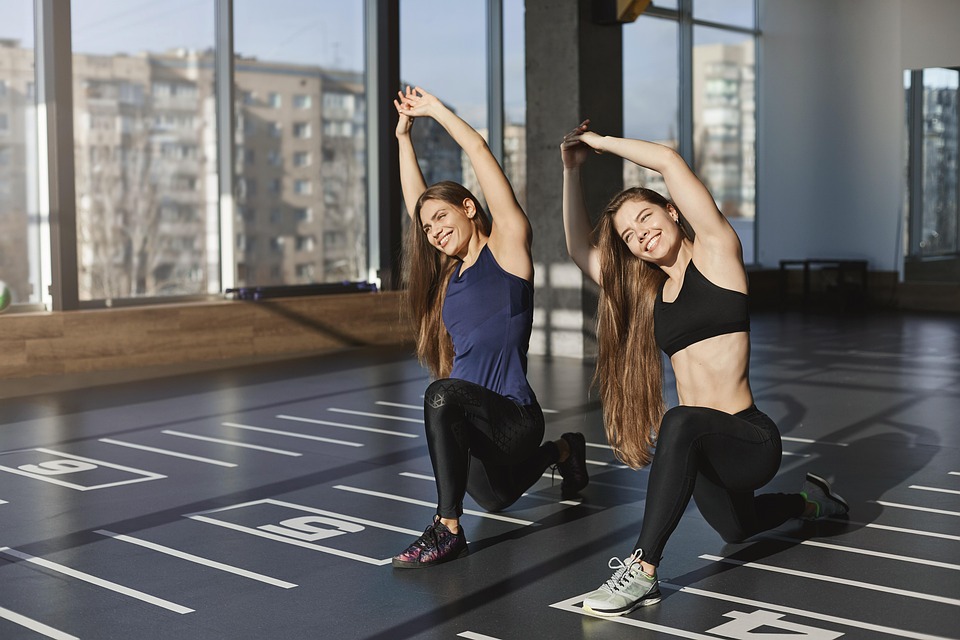
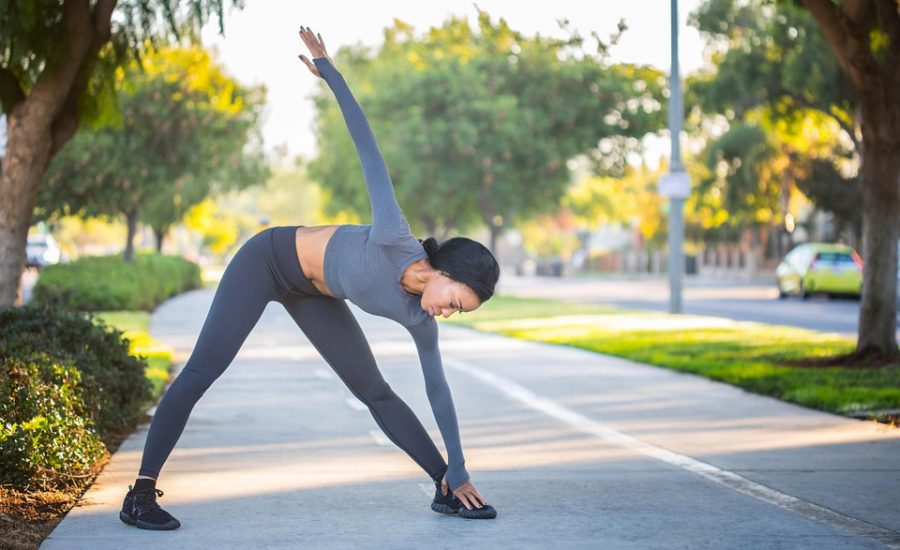
- Yoga: Improves flexibility, strength, and balance.
- Pilates: Focuses on core strength and stability.
Why Low-Impact Workouts Matter for Seniors
1. Reduced Risk of Injury
One of the most significant benefits of low-impact workouts is the reduced risk of injury. As we age, our bones and joints become more susceptible to wear and tear. Low-impact exercises minimize the stress on these areas, allowing seniors to stay active without incurring injuries.
2. Enhanced Joint Health
Seniors often suffer from arthritis and other joint-related issues. Low-impact exercises, like swimming and cycling, help lubricate the joints and keep them healthy, improving overall mobility. This is particularly important for maintaining independence.
3. Improved Balance and Coordination
Falls are a leading cause of injury in seniors, which can result in severe consequences. Engaging in low-impact workouts enhances balance and coordination. Practices such as yoga or tai chi emphasize control and stability, significantly lowering the risk of falls.
4. Increased Flexibility
Flexibility tends to decline with age. Low-impact workouts, especially stretching and yoga, help maintain and even improve flexibility. This can lead to better posture and reduced muscle stiffness, making daily activities easier.
5. Enhanced Mental Well-Being
Physical fitness is closely linked to mental health. Low-impact workouts can reduce feelings of anxiety and depression, providing seniors with a boost in mood. Activities like yoga and walking in nature also promote mindfulness, further enhancing mental clarity and emotional well-being.
How to Get Started with Low-Impact Workouts
1. Consult a Healthcare Professional
Before embarking on any new exercise routine, it’s essential for seniors to consult with their healthcare provider, particularly if they have pre-existing health conditions. This can help ensure that the chosen workouts are safe and appropriate.
2. Start Slow
If you’re new to exercise, it’s important to start slow. Begin with shorter sessions and gradually increase the duration and intensity. Even a 10-15 minute walk can be beneficial to start with.
3. Choose Activities You Enjoy
Finding activities you enjoy can encourage consistency. Whether it’s swimming, gardening, or joining a local walking group, the more you enjoy the activity, the more likely you are to stick with it.
4. Incorporate Variety
Mixing different types of low-impact workouts can keep things interesting and target various muscle groups. For example, you might alternate between cycling, swimming, and yoga classes throughout the week.
5. Set Realistic Goals
Setting achievable fitness goals can help maintain motivation. Start with small goals, like walking an extra block or participating in a weekly yoga session, and gradually increase them as you become more comfortable.
Additional Tips for Seniors
- Stay Hydrated: Always drink plenty of water, especially during and after exercising, to prevent dehydration.
- Wear Proper Footwear: Supportive shoes can make a big difference in comfort and safety while exercising.
- Listen to Your Body: Pay attention to how your body feels during workouts. It’s crucial to rest if you experience pain or discomfort.
- Find a Buddy: Working out with a friend can make exercising more enjoyable and keep you accountable.
Conclusion
Low-impact workouts provide a wealth of benefits for seniors, helping to improve physical health, enhance mental well-being, and promote a more active lifestyle. By incorporating activities such as walking, swimming, and yoga into your routine, you can reduce the risk of injury, improve flexibility, and maintain independence as you age.
Staying fit at any age is attainable, and low-impact workouts pave the way for a healthier, happier life. Remember, it’s never too late to start incorporating fitness into your daily routine, so lace up those shoes and take the first step toward a more active lifestyle today!
By understanding the importance of low-impact workouts and taking practical steps to incorporate them, seniors can enjoy the numerous benefits these exercises provide. Stay fit, stay active, and embrace the journey of fitness at any age!