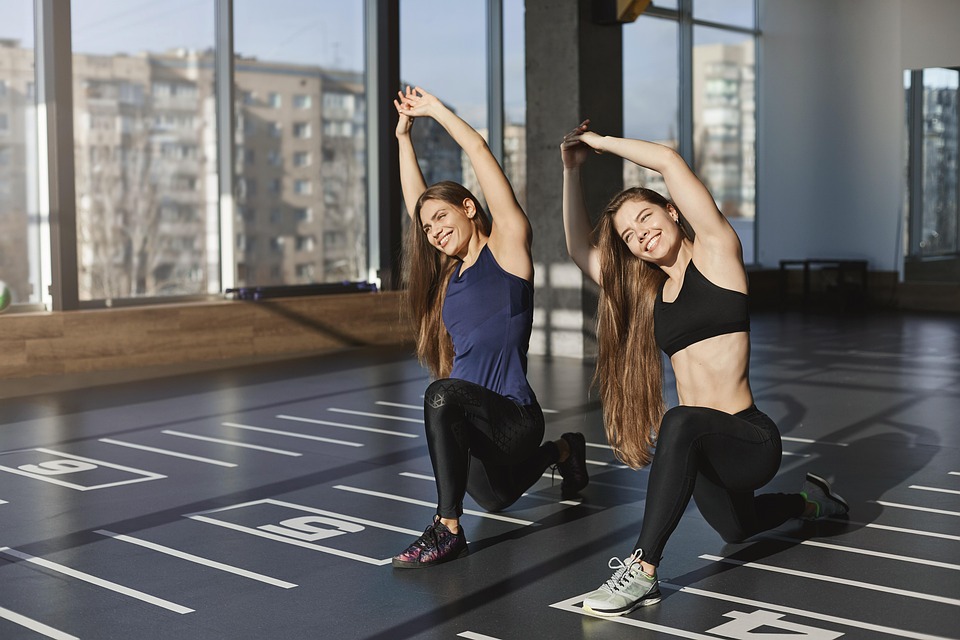

Staying active is vital for physical health, regardless of your weight. If you’re overweight and looking to embrace a healthier lifestyle, you might be wondering which exercises are safe and effective. This guide will walk you through some suitable workouts, tips for getting started, and motivation to help you along your journey.
Introduction
Finding the right exercise routine can feel daunting, especially if you’re overweight. The important thing to remember is that it’s never too late to start moving. Exercising can help improve your mood, increase your energy, and promote better overall health. If you’re unsure where to begin, this article will explore safe exercises tailored for those with higher body weight, making it easier for you to kickstart your fitness journey.
Benefits of Exercise for Overweight Individuals
Before diving into specific exercises, let’s discuss the numerous benefits of integrating physical activity into your daily routine:
- Improved Heart Health: Regular exercise can help lower blood pressure and cholesterol levels.
- Enhanced Mobility: Strengthening your muscles can lead to increased flexibility and balance.
- Weight Management: While exercises alone won’t lead to significant weight loss, they complement a healthy diet and lifestyle.
- Boosted Mood: Physical activity releases endorphins, contributing to a better mental state.
- Better Sleep: Engaging in regular exercise can lead to improved sleep patterns.
Understanding these benefits can motivate you to start exercising today!
Safe Exercises for Overweight Individuals
H2: Low-impact Cardio Workouts
Walking
Walking is perhaps the most straightforward and effective exercise for overweight individuals. It requires no special equipment and can be done almost anywhere.
- How to Start: Begin with short walks around your neighborhood or local park. Aim for 10-15 minutes and gradually increase your duration and pace.
- Tip: Use comfortable shoes to support your feet and joints.
Swimming
Swimming is an excellent way to get your heart rate up without putting stress on your joints.
- Benefits: The buoyancy of water reduces the impact on your body, making swimming a safe option for those with higher body weight.
- How to Start: Use a local pool and consider joining beginner classes or practicing simple strokes on your own.
Cycling
Biking, whether stationary or on a traditional bike, is another low-impact option that can boost your cardiovascular fitness.
- Safety Tips: Start slowly and choose flat terrains if you’re cycling outdoors. Helmets and safety gear are essential.
- How to Start: Aim for 10-20 minutes a day and gradually increase your ride time.
H2: Strength Training
Strength training doesn’t just help build muscle; it can also boost metabolism and enhance functionality in daily activities.
Resistance Bands
Resistance bands are versatile and can accommodate various fitness levels.
- Exercises to Try:
- Squats: Place the band under your feet and hold the ends at your shoulders.
- Chest Press: Stand with your back to the band and press forward to work your chest.
Bodyweight Exercises
Bodyweight workouts can be modified to fit any fitness level and are a great option for beginners.
- Activities to Include:
- Wall Push-Ups: Lean against a wall and push away.
- Seated Leg Raises: Sit on a sturdy chair and extend one leg at a time.
H2: Flexibility and Balance Exercises
Incorporating stretching and balance exercises can enhance your overall fitness and reduce injury risk.
Yoga
Yoga can be an excellent introduction to flexibility training while also promoting relaxation.
- How to Start: Look for beginner classes or use online videos tailored specifically for larger bodies.
- Poses to Try:
- Chair Pose: Strengthens the legs and improves balance.
- Cat-Cow Stretch: Increases spinal flexibility.
Tai Chi
Tai Chi focuses on slow, controlled movements, making it an excellent choice for improving balance and flexibility.
- How to Start: Seek local classes for better instruction or find online resources that offer beginner lessons.
Tips for Success
H2: Set Realistic Goals
- Start Small: Begin with 15-30 minute sessions 2-3 times a week and gradually increase your activity level.
- Celebrate Progress: Recognize even the smallest achievements, whether it’s a longer walk or mastering a new exercise.
H2: Stay Consistent
- Create a Routine: Pick specific days and times for your workouts to help establish consistency.
- Find a Workout Buddy: Exercising with a friend can make workouts more enjoyable and keep you motivated.
H2: Listen to Your Body
- Rest When Needed: If you’re feeling fatigue or discomfort, it’s important to take breaks or modify exercises.
- Consult a Professional: If you’re uncertain about starting a new exercise routine, consider seeking advice from a healthcare provider or a certified trainer.
Conclusion
Being overweight doesn’t mean you can’t lead an active lifestyle. Embracing safe and appropriate exercises can significantly improve your overall well-being and quality of life. Remember, every step counts, and progress is a journey, not a race. So lace up your shoes, take a deep breath, and begin a new chapter filled with movement and vitality. By making small, consistent changes, you can pave the way to a healthier, happier you.
With the right mindset and approach, you’re fully capable of achieving your goals and building a more active lifestyle. Happy exercising!