
When it comes to living a longer, healthier life, the adage “you are what you eat” couldn’t be more true. Nutrition plays a crucial role in longevity, with certain foods boasting remarkable health benefits that can extend lifespan and improve quality of life. In this article, we’ll explore the connection between nutrition and longevity, highlighting specific foods that can help you on your journey to a longer life.
The Science Behind Nutrition and Longevity
How Diet Affects Lifespan
Research has shown that our dietary choices significantly impact our health and longevity. A well-balanced diet can reduce the risk of chronic diseases like heart disease, diabetes, and certain types of cancer. In contrast, a diet high in processed foods, sugars, and unhealthy fats can lead to various health issues that may shorten life expectancy.
The Role of Antioxidants
Antioxidants play a key role in protecting our cells from oxidative stress, which can lead to aging and disease. Foods rich in antioxidants can help fend off free radicals and maintain cellular health. Incorporating these foods into your everyday meals can be a game-changer for longevity.
Foods to Eat for a Longer Life
Here are some nutrient-dense foods that can promote longevity and enhance overall health:
1. Fruits and Vegetables
Why They Matter: Fruits and vegetables are packed with vitamins, minerals, and fiber, making them essential for optimal health.
Top Choices:
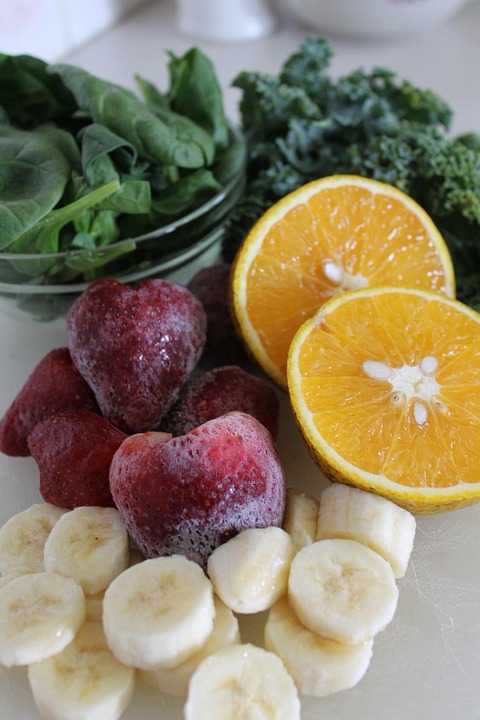
- Berries: Rich in antioxidants, vitamins C and K, and fiber. Berries like blueberries, strawberries, and blackberries have been linked to improved heart health and brain function.
- Leafy Greens: Spinach, kale, and Swiss chard are high in vitamins A, C, and K, and are associated with lower rates of chronic diseases.
- Cruciferous Vegetables: Broccoli, Brussels sprouts, and cauliflower contain compounds that may have anti-cancer properties.
2. Whole Grains
Why They Matter: Whole grains are an excellent source of fiber, which helps maintain digestive health and regulate blood sugar levels.
Top Choices:
- Quinoa: A complete protein source rich in essential amino acids and antioxidants.
- Brown Rice: A healthier alternative to white rice, offering more vitamins and minerals.
- Oats: High in beta-glucan, oats can lower cholesterol levels and keep you feeling full longer.
3. Healthy Fats
Why They Matter: Healthy fats are essential for hormone production, brain health, and cell function.
Top Choices:
- Avocados: Packed with monounsaturated fats, avocados promote heart health and offer anti-inflammatory benefits.
- Olive Oil: A staple in the Mediterranean diet, extra virgin olive oil is loaded with antioxidants and has been linked to longer lifespans.
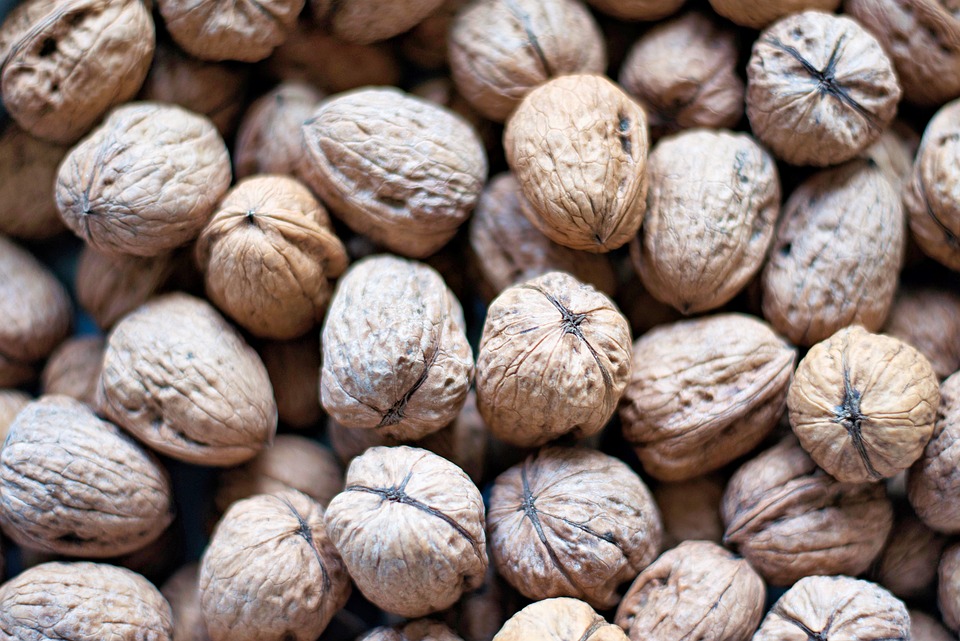
- Nuts and Seeds: Almonds, walnuts, and flaxseeds provide omega-3 fatty acids, fiber, and a wealth of vitamins and minerals.
4. Lean Proteins
Why They Matter: Protein is vital for muscle health and repair, especially as we age.
Top Choices:
- Fish: Fatty fish like salmon, mackerel, and sardines are abundant in omega-3 fatty acids, which can help reduce inflammation and support heart health.
- Legumes: Beans, lentils, and chickpeas are excellent plant-based protein sources that promote long-lasting energy and muscle maintenance.
- Poultry: Lean chicken and turkey are great sources of protein without the saturated fat found in red meats.
5. Fermented Foods
Why They Matter: Fermented foods enhance gut health, which is increasingly recognized as crucial for overall wellness.
Top Choices:
- Yogurt: A rich source of probiotics, yogurt can improve digestion and bolster the immune system.
- Kimchi: This spicy Korean dish is not only flavorful but also packed with beneficial bacteria.
- Kefir: A fermented milk drink that’s high in probiotics and proteins, contributing to gut health and potentially aiding longevity.
6. Beverages for Longevity
Why They Matter: The beverages we consume can significantly impact our health and longevity.
Top Choices:
- Green Tea: Rich in antioxidants called catechins, green tea has been linked to improved brain function and lower risk of cardiovascular disease.
- Red Wine: In moderation, red wine contains resveratrol, a compound that may have heart-protective effects.
- Water: Staying hydrated is crucial. Proper hydration supports every bodily function, maintaining performance and health.
Lifestyle Tips for Longevity
While nutrition is essential, it’s just one part of the puzzle. Here are some additional tips to enhance your longevity:
- Regular Exercise: Aim for at least 150 minutes of moderate exercise each week to boost cardiovascular health, maintain muscle mass, and improve mood.
- Stress Management: Practice stress-reduction techniques like meditation, yoga, or mindfulness to enhance emotional well-being.
- Quality Sleep: Prioritizing sleep is essential for recovery and overall health. Aim for 7-9 hours of quality sleep each night.
Conclusion
The connection between nutrition and longevity is clear: the foods we eat significantly influence our lifespan and overall quality of life. By incorporating a variety of nutrient-dense foods—such as fruits, vegetables, whole grains, healthy fats, lean proteins, and fermented foods—into your diet, you can take significant steps toward a longer, healthier life. Remember, it’s not just about what you eat but also how you live. Combine healthy eating with regular exercise and effective stress management for the best results. Start making small changes today, and your future self will thank you!
By prioritizing nutrition and making informed food choices, you can open the door to a longer, healthier, and more fulfilling life.