
In today’s fast-paced world, our relationship with food can often feel complicated. For some, food addiction becomes an insidious cycle of guilt and shame, leading to unhealthy eating habits. But what if we could shift our perspective? This comprehensive guide will explore the intersection of nutrition and food addiction, offering you practical strategies for nourishing your body without the weight of guilt.
Understanding Food Addiction
What is Food Addiction?
Food addiction is characterized by an intense craving for specific foods, particularly those high in sugar, fat, and salt. This phenomenon mirrors substance addiction, where the brain’s reward pathways are activated, creating a compulsive desire for these foods despite negative consequences.
Signs of Food Addiction:
- Cravings that feel uncontrollable
- Eating large quantities of food, even when not hungry
- Continued consumption despite adverse effects on health
- Withdrawal symptoms when cutting back on certain foods
The Science Behind Food Addiction
Research indicates that, much like drug and alcohol addiction, certain foods can trigger the release of dopamine, the brain’s “feel-good” neurotransmitter. This can create a cycle where the individual seeks out these foods for reward, leading to dependency.
The Nutritional Landscape
The Importance of Balanced Nutrition
A proper diet doesn’t just fuel our bodies; it also has profound effects on our mental health. Nutritional imbalances can exacerbate feelings of anxiety and depression, making it crucial to adopt a balanced approach to eating.
Key Components of Nutritional Balance:
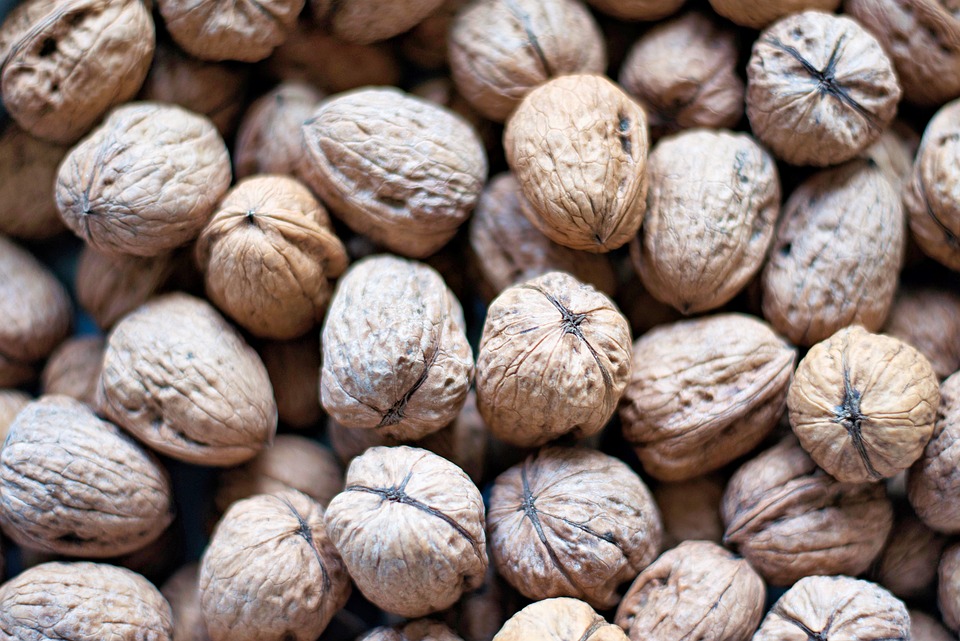
- Whole Foods: Focus on fruits, vegetables, whole grains, nuts, and lean proteins.
- Healthy Fats: Include sources of Omega-3 and Omega-6 fatty acids, such as avocados and olive oil.
- Hydration: Drink plenty of water to support overall health and well-being.
Managing Cravings Without Guilt
Guilt often accompanies cravings, leading to a destructive cycle of binge eating and remorse. However, understanding and managing these cravings can empower you to make more mindful choices.
Strategies for Managing Cravings:
- Mindful Eating: Pay attention to your hunger cues and eat slowly to enjoy your food.
- Alternative Snacks: When cravings hit, turn to healthier options such as fruits, nuts, or yogurt.
- Emotional Awareness: Recognize emotional triggers that may lead to overeating and develop coping strategies.
Healthy Alternatives to Common Addictive Foods
Certain foods are notoriously addictive, but there are healthier alternatives that satisfy the same cravings.
Sweet Cravings
Instead of sugary snacks:
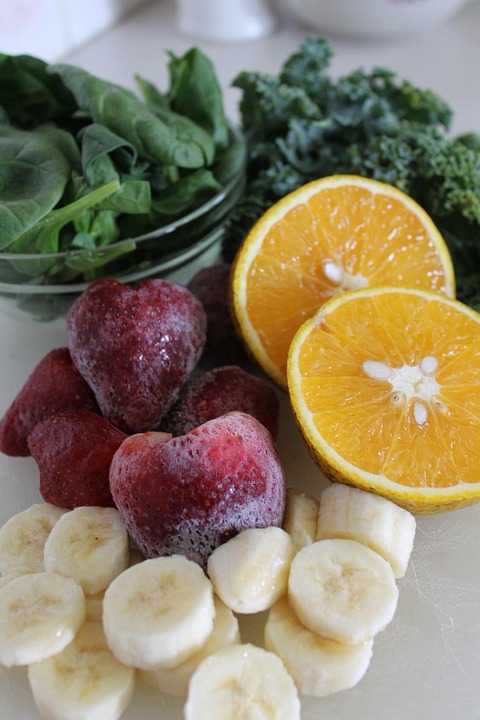
- Try fruits like berries or mangoes, which provide natural sweetness along with vitamins.
Salty Cravings
Instead of chips:
- Opt for popcorn without added butter or nuts, which are richer in healthy fats and protein.
Indulgent Cravings
Instead of ice cream:
- Consider yogurt topped with dark chocolate or a smoothie bowl, which packs in nutrition without the guilt.
Tips for Creating a Healthy Eating Environment
- Plan Your Meals: Setting aside time each week to prepare balanced meals can reduce impulsive eating.
- Stock Up on Healthy Foods: Keep your kitchen stocked with fresh produce and wholesome snacks to resist the temptation of unhealthy options.
- Practice Portion Control: Use smaller plates and bowls to help manage serving sizes.
The Role of Self-Compassion
Why Self-Compassion is Important
Guilt and shame often accompany food choices, creating a vicious cycle that can lead to binge eating. Practicing self-compassion allows for a healthier relationship with food.
Ways to Cultivate Self-Compassion:
- Acknowledge that eating is a basic human need, and it’s okay to enjoy food without guilt.
- Focus on overall well-being rather than perfection in eating habits.
- Celebrate small victories in changing your eating habits.
Conclusion: The Path to Nourishment Without Guilt
Nourishing your body doesn’t have to involve guilt or shame. By understanding the dynamics of food addiction, embracing nutritional balance, and practicing self-compassion, you can foster a healthier relationship with food. Remember, it’s not about perfection; it’s about progress and making mindful choices that support your well-being.
Call to Action
If you’re ready to change your relationship with food, start today by making one healthy choice! Share your journey and tips in the comments below, and let’s support each other on the path to nourishing our bodies without guilt.
Keywords for SEO:
- Nutrition
- Food addiction
- Balanced diet
- Mindful eating
- Healthy alternatives
- Self-compassion
- Cravings management
By implementing these strategies, you can empower yourself to live a fulfilling life characterized by nourishment, joy, and a healthy relationship with food. Here’s to better choices and a guilt-free approach to eating!