
Maintaining balanced blood sugar levels is crucial for overall health, particularly for those at risk of diabetes or struggling with weight management. One effective strategy for achieving this balance is incorporating low glycemic index (GI) foods into your diet. In this article, we will explore what the glycemic index is, why it matters, and provide a list of 15 low GI foods to help you maintain steady blood sugar levels.
What is Glycemic Index?
The glycemic index (GI) is a ranking of carbohydrates based on their impact on blood sugar levels. Foods with a high GI rank are digested and absorbed quickly, leading to rapid spikes in blood sugar. In contrast, low GI foods are digested more slowly, resulting in gradual increases in blood glucose.
Why is Low GI Important?
Choosing low GI foods can have numerous health benefits, including:
- Stable Blood Sugar Levels: Helps prevent swings in blood sugar.
- Weight Management: Promotes satiety and reduces cravings.
- Improved Energy Levels: Sustained energy without the crash.
- Reduced Risk of Chronic Diseases: Lowers the risk of type 2 diabetes and heart disease.
15 Low Glycemic Index Foods
Incorporating low GI foods into your daily diet can be simple and delicious. Below is a curated list of 15 foods to help you achieve balanced blood sugar levels.
1. Legumes (Beans, Lentils, Chickpeas)
- GI Value: 10-30
- Benefits: High in protein and fiber, legumes help maintain satiety and support digestion.
2. Whole Grains (Quinoa, Barley, Brown Rice)
- GI Value: 50-55
- Benefits: Whole grains are rich in nutrients and fiber, promoting heart health and stable glucose levels.
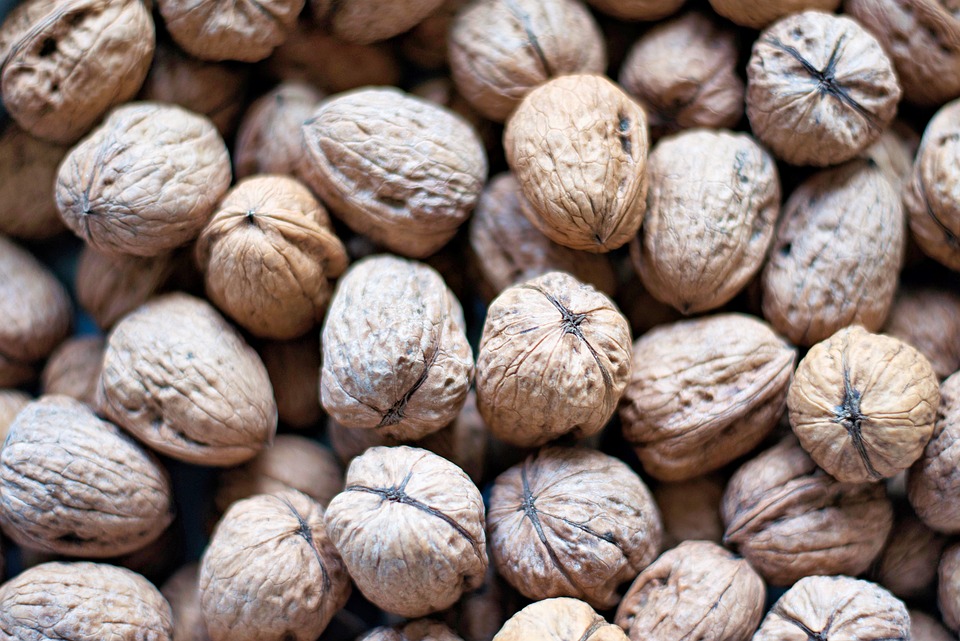
3. Nuts and Seeds (Almonds, Walnuts, Chia Seeds)
- GI Value: 0-20
- Benefits: Packed with healthy fats, nuts and seeds can help reduce hunger and maintain steady energy.
4. Sweet Potatoes
- GI Value: 44-61 (Boiled is lower)
- Benefits: A great source of fiber and vitamins, sweet potatoes provide complex carbohydrates without causing rapid spikes in blood sugar.
5. Berries (Blueberries, Strawberries, Raspberries)
- GI Value: 25-40
- Benefits: Berries are low in sugar and high in antioxidants, making them perfect for a balanced diet.
6. Non-Starchy Vegetables (Spinach, Broccoli, Kale)
- GI Value: 15-25
- Benefits: Low in calories and high in fiber, these veggies add valuable nutrients to your meals without affecting blood sugar levels.
7. Greek Yogurt
- GI Value: 11-24
- Benefits: Low in sugar and high in protein, Greek yogurt can keep you feeling full longer and aid in digestive health.
8. Citrus Fruits (Oranges, Grapefruits, Lemons)
- GI Value: 30-40
- Benefits: Packed with vitamin C and fiber, citrus fruits can support your immune system and overall health.
9. Oats
- GI Value: 40-55
- Benefits: Rich in soluble fiber, oats help lower cholesterol levels and provide sustained energy.
10. Whole Wheat Pasta
- GI Value: 37-52
- Benefits: A healthier alternative to traditional pasta, whole wheat options offer more fiber and nutrients.
11. Avocado
- GI Value: 15
- Benefits: High in healthy fats and fiber, avocados are excellent for heart health and keeping you satisfied.
12. Dark Chocolate (70% cocoa and above)
- GI Value: 25-35
- Benefits: In moderation, dark chocolate can satisfy sweet cravings while offering antioxidants and lower sugar impact.
13. Barley
- GI Value: 28-45
- Benefits: A nutritious whole grain that can be used in soups or salads, providing fiber and minerals.
14. Bran Cereals
- GI Value: 30-40
- Benefits: Rich in fiber and beneficial for digestive health, bran cereals are a great breakfast option.
15. Chickpea Pasta
- GI Value: 23-30
- Benefits: A gluten-free alternative to traditional pasta, chickpea pasta is high in protein and fiber.
Tips for Incorporating Low GI Foods
To maximize the benefits of low GI foods and maintain balanced blood sugar levels, consider the following tips:
- Combine Foods: Pair low GI foods with proteins and healthy fats for enhanced satiety.
- Meal Prep: Prepare meals that include various low GI options to ensure balanced nutrition.
- Be Mindful of Portions: Even low GI foods can contribute to weight gain if eaten in excess.
- Stay Hydrated: Drinking water can help support digestion and overall health.
Conclusion
Incorporating low glycemic index foods into your diet is a powerful way to maintain balanced blood sugar levels and improve overall health. By including these 15 nutritious foods, you can enjoy the numerous benefits of stable blood sugar, including reduced cravings, improved energy, and a lower risk of chronic diseases.
Whether you’re looking to manage your weight, gain better control of your diabetes, or simply lead a healthier lifestyle, focusing on low GI foods is a wise choice. Start today and take the first steps toward a healthier you!
By embracing the power of low glycemic index foods, you can fuel your body with the nutrients it needs while keeping your blood sugar levels in check. Happy eating!