
Introduction
In our quest for a long and healthy life, fitness plays a crucial role. Research has shown that regular physical activity not only enhances our physical appearance and mental well-being but also extends our life expectancy. This blog will explore the concept of longevity fitness, detailing exercises specifically proven to promote longevity. Whether you’re a seasoned gym-goer or a newcomer to the world of fitness, this guide aims to enlighten and inspire you to incorporate longevity exercises into your lifestyle.
What is Longevity Fitness?
Longevity fitness refers to physical activity that focuses on improving health and extending lifespan. This type of fitness is not just about hitting the gym hard; it’s about cultivating a balanced approach that combines strength, flexibility, cardiovascular health, and mental well-being.
Why Focus on Longevity?
Studies consistently demonstrate the profound benefits of physical activity on our lifespan. Regular exercise has been linked to:
- Reduced risk of chronic diseases such as heart disease and diabetes
- Improved mental health, including reduced anxiety and depression
- Enhanced cognitive function
- Better weight management
- Increased quality of life
Now, let’s dive deeper into specific exercises that can help you on your longevity journey.
Key Exercises for Longevity
1. Aerobic (Cardio) Exercises
Aerobic exercises are vital for heart health and can significantly contribute to longevity. These activities increase your heart rate and improve circulation, which can lower your risk for chronic illnesses.
Recommended Aerobic Exercises:
-
Walking: Simply put, walking is one of the easiest ways to incorporate aerobic exercise into your routine. Aim for at least 30 minutes most days of the week.
-
Cycling: Whether stationary or outdoor biking, cycling not only boosts cardiovascular health but also strengthens your legs.
-
Swimming: This full-body workout is easy on the joints and great for cardiovascular fitness.
-
Dancing: A fun way to get your heart pumping while enhancing coordination and balance.
2. Strength Training
Maintaining muscle mass is essential as we age. Strength training can combat age-related muscle loss, improve metabolism, and support bone health.
Effective Strength Training Options:
-
Weight Lifting: Use free weights, machines, or resistance bands.
-
Bodyweight Exercises: Push-ups, squats, and lunges can be done anywhere and provide great results.
-
Pilates: This focuses on core strength and stability, making it perfect for both beginners and advanced individuals.
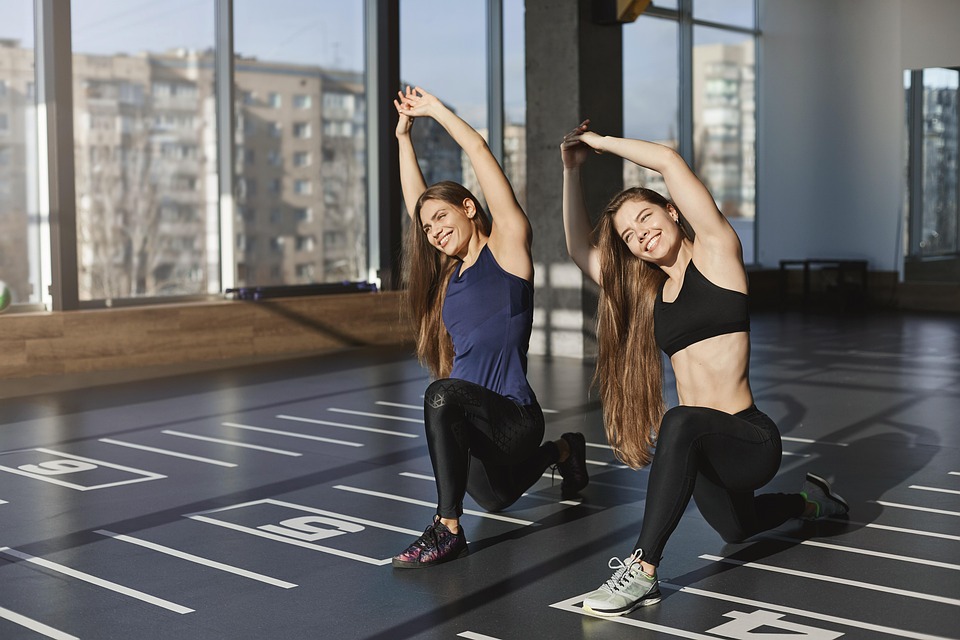
3. Flexibility and Balance
Flexibility and balance exercises can prevent falls, which are especially critical as we age. Improved flexibility can also enhance your overall performance in various physical activities.
Incorporate these Exercises:
-
Yoga: A mind-body practice that enhances both flexibility and balance.
-
Tai Chi: Often described as “meditation in motion,” this ancient practice improves balance, flexibility, and mental clarity.
-
Static Stretching: Incorporate a routine post-workout to improve flexibility and reduce muscle tension.
4. High-Intensity Interval Training (HIIT)
For those looking for a more challenging workout, HIIT can offer incredible benefits in a short amount of time. Studies suggest that HIIT can improve cardiovascular fitness and metabolic health.
Sample HIIT Routine:
- Warm-up: 5-minute brisk walk or jog
- 30 seconds of intense activity (like sprinting or burpees)
- 30 seconds of rest or low-intensity activity
- Repeat for 15-20 minutes
- Cool down with stretching
The Importance of Consistency
While variety in your fitness routine is essential, consistency is key. Aim to engage in some form of physical activity most days of the week. Here are tips to stay motivated:
-
Set Realistic Goals: Make short-term and long-term goals to keep you on track.
-
Track Your Progress: Use fitness apps or journals to monitor your achievements.
-
Find a Workout Buddy: Exercising with a friend can make workouts more enjoyable and keep you accountable.
Nutrition: The Other Half of the Equation
It’s important to remember that exercise alone isn’t enough for longevity. Proper nutrition plays a significant role. Here are some dietary guidelines to complement your fitness efforts:
-
Emphasize Whole Foods: Focus on fruits, vegetables, whole grains, lean proteins, and healthy fats.
-
Stay Hydrated: Always remember to drink ample water throughout the day.
-
Limit Processed Foods: Reduce your intake of sugar, salt, and unhealthy fats to enhance overall health.
Conclusion
In conclusion, embracing longevity fitness through regular exercise can significantly improve your quality of life and extend your years. By incorporating a variety of exercises—such as aerobic activities, strength training, flexibility exercises, and HIIT—you can create a balanced routine that addresses all aspects of health.
Moreover, don’t forget the importance of nutrition in your longevity journey. With commitment and consistency, not only can you live longer, but you can also enjoy a healthier and more fulfilling life. So lace up those sneakers, get moving, and embark on your path to longevity today!
Remember, every small step counts towards a longer, healthier life. Happy exercising!