
Inflammation is a natural response of the body’s immune system to injury or infection. However, chronic inflammation can lead to serious health issues, including heart disease, diabetes, and autoimmune disorders. In this article, we will explore effective lifestyle changes that can help reduce inflammation naturally.
What is Inflammation?
Inflammation is our body’s way of signaling the immune system to heal and repair damaged tissues. Acute inflammation is a short-term response, while chronic inflammation can persist for long periods and may be driven by lifestyle factors, stress, poor diet, and lack of exercise.
The Importance of Reducing Inflammation
Reducing chronic inflammation can significantly improve overall health and well-being. Here are some benefits of managing inflammation:
- Improved Heart Health: Lowering inflammation can reduce the risk of heart disease.
- Enhanced Gut Health: A decrease in inflammation can improve digestive issues.
- Better Joint Health: Helps alleviate discomfort in joints, beneficial for individuals with arthritis.
- Weight Control: Reducing inflammation may support weight loss and maintenance.
How to Reduce Inflammation Naturally
1. Adopt an Anti-Inflammatory Diet
One of the most effective ways to combat inflammation is through your diet. Focus on the following food groups:
Foods to Include
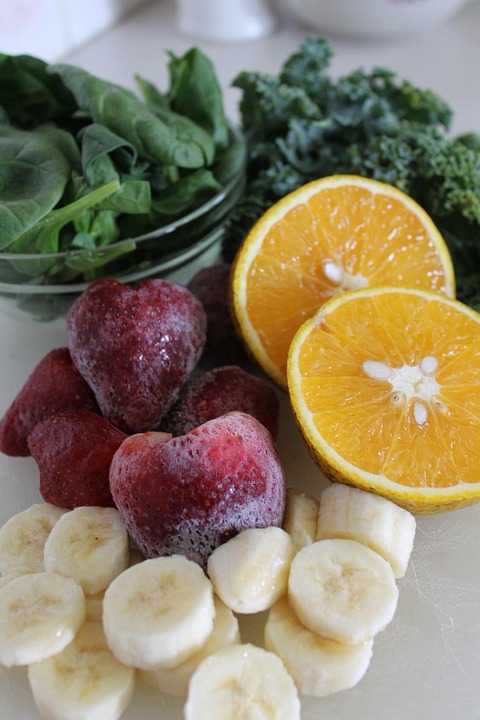
- Fruits and Vegetables: Aim for a colorful variety, such as berries, leafy greens, and cruciferous vegetables.
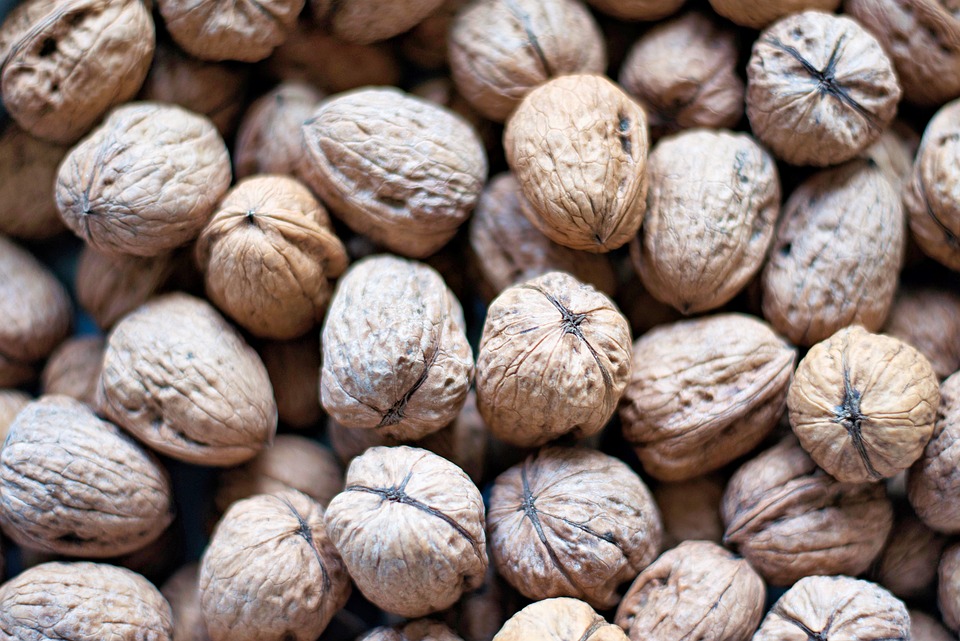
- Healthy Fats: Include sources of omega-3 fatty acids like fatty fish (salmon, mackerel), walnuts, and flaxseeds.
- Whole Grains: Choose oats, quinoa, and brown rice over processed grains.
- Nuts and Seeds: Almonds, chia seeds, and hemp seeds are excellent choices.
- Herbs and Spices: Turmeric, ginger, and garlic have anti-inflammatory properties.
Foods to Avoid
- Refined Sugars: Limit sugary snacks and beverages.
- Processed Foods: Avoid fast foods, frozen meals, and snack foods high in trans fats.
- Excessive Alcohol: Limit intake to moderate levels to reduce inflammation risks.
2. Regular Physical Activity
Exercise is a powerful tool against inflammation. It not only helps you maintain a healthy weight but also reduces inflammatory markers in the body.
Recommended Activities
- Aerobic Exercises: Walking, running, swimming, and cycling can improve overall cardiovascular health.
- Strength Training: Lifting weights can support muscle health and improve metabolism.
- Yoga and Pilates: These can enhance flexibility and reduce stress, contributing to lower inflammation levels.
Aim for at least 150 minutes of moderate aerobic activity or 75 minutes of vigorous activity each week, combined with muscle-strengthening exercises on two or more days.
3. Manage Stress Effectively
Chronic stress is a significant contributor to inflammation. Implementing stress-management strategies can be beneficial.
Techniques to Consider
- Mindfulness Meditation: Practicing mindfulness can help you focus on the present, relieving stress.
- Deep Breathing Exercises: Engaging in deep breathing can lower cortisol levels, reducing inflammation.
- Lifestyle Activities: Take time for hobbies, spend time with loved ones, and engage in enjoyable activities.
4. Prioritize Sleep Quality
Lack of sleep or poor-quality sleep can lead to elevated levels of inflammatory markers. Aim for 7-9 hours of quality sleep each night.
Tips for Better Sleep
- Create a Sleep Schedule: Go to bed and wake up at the same time every day.
- Limit Screen Time: Avoid screens an hour before bedtime to enhance melatonin production.
- Create a Comfortable Sleep Environment: Ensure your bedroom is dark, quiet, and cool.
5. Stay Hydrated
Adequate hydration is crucial for overall health and can help reduce inflammation. Water helps in flushing out toxins that can lead to inflammation:
- Drink Water Regularly: Aim for at least 8-10 cups of water daily.
- Herbal Teas: Incorporating anti-inflammatory teas such as green tea can also provide hydration benefits.
6. Consider Supplements
While natural food sources should always be the first choice, certain supplements can help reduce inflammation if your diet lacks specific nutrients:
- Omega-3 Fatty Acids: Fish oil capsules or algae-based supplements can provide anti-inflammatory benefits.
- Curcumin: The active ingredient in turmeric may help reduce inflammation.
- Vitamin D: Adequate levels of Vitamin D can support immune function and reduce inflammation.
7. Limit Environmental Toxins
Exposure to environmental pollutants can trigger inflammation. Take steps to reduce toxin exposure:
- Opt for Natural Cleaning Products: This can minimize harmful chemicals in your home.
- Choose Organic Produce: To reduce pesticide exposure.
- Avoid Smoking and Secondhand Smoke: Both can exacerbate inflammation.
Conclusion
Reducing inflammation naturally involves a holistic approach that includes dietary changes, physical activity, stress management, improved sleep, hydration, and limiting toxins. By implementing these lifestyle changes, you can significantly enhance your overall health and well-being.
Prioritize these strategies to fight inflammation effectively and embrace a healthier, more vibrant life. Remember, consistency is key; small changes can lead to significant long-term results.
By focusing on these elements, you’ll not only reduce inflammation but also pave the way for a healthier lifestyle. For further readings on natural health and wellness, stay tuned to our blog!