In today’s health-conscious world, more people are looking to balance their diets with nutritious options that also taste great. Low glycemic ingredients are gaining popularity, particularly for those managing blood sugar levels, losing weight, or simply seeking healthier meal alternatives. This article explores how you can create delicious meals using low glycemic ingredients, combining taste with nutrition.
Understanding the Glycemic Index
The Glycemic Index (GI) is a ranking of carbohydrates in foods based on their effect on blood sugar levels. Foods with a low GI (55 or less) cause a slower, steadier rise in blood sugar, making them excellent choices for sustained energy. Some commonly known low glycemic ingredients include:
- Legumes: Lentils, chickpeas, and black beans.
- Whole Grains: Quinoa, barley, and brown rice.
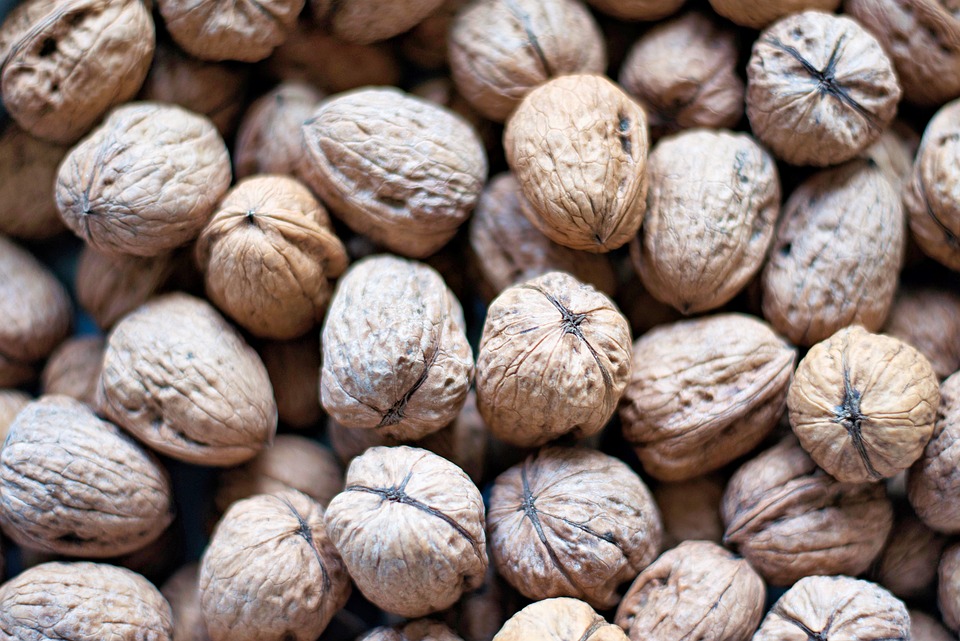
- Nuts and Seeds: Almonds, walnuts, and chia seeds.
- Fruits: Berries, apples, and pears.
- Vegetables: Leafy greens, broccoli, and carrots.
Benefits of Low Glycemic Foods
- Stable Energy Levels: By avoiding blood sugar spikes, you’ll enjoy consistent energy throughout the day.
- Weight Management: Low GI foods often keep you fuller for longer, reducing the temptation to snack.
- Heart Health: Many low GI foods are also rich in fiber and healthy fats, promoting cardiovascular wellness.
- Better Mood: Research suggests that stable blood sugar levels can positively affect mood and cognitive function.
How to Incorporate Low Glycemic Ingredients into Your Meals
Creating delightful meals doesn’t have to be complicated. Here are some practical strategies to incorporate low glycemic ingredients into your cooking:
Meal Planning and Preparation
- Choose Whole Foods: Focus on whole, unprocessed ingredients to maximize the nutritional value.
- Batch Cooking: Prepare large batches of quinoa or lentils, which can be used throughout the week in various dishes.
- Mix and Match: Combine different low glycemic ingredients to create balanced meals.
Breakfast Ideas
Starting your day with a low glycemic meal sets the tone for healthy eating. Here are a few tasty breakfast options:
-
Overnight Oats: Combine rolled oats (low GI), chia seeds, almond milk, and your choice of berries. Leave it in the refrigerator overnight for a quick, nutritious morning meal.
-
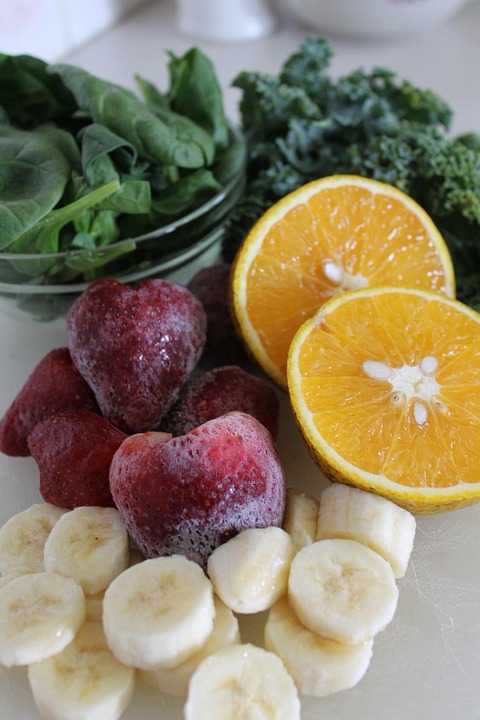
Smoothie Bowl: Blend spinach (low GI), banana, and a scoop of nut butter. Top with sliced almonds and sunflower seeds for extra crunch.
Lunch Recipes
Lunch can be a great opportunity to load up on low glycemic ingredients. Try these ideas:
-
Quinoa Salad: Toss cooked quinoa with diced cucumber, cherry tomatoes, black beans, and a lemon vinaigrette. Add fresh herbs like parsley for extra flavor.
-
Lentil Soup: A hearty lentil soup with carrots and celery can be incredibly nourishing. Season with spices like cumin and coriander for an extra kick.
Dinner Delights
Even dinner can be both low glycemic and enjoyable. Consider these recipes:
-
Stir-Fried Vegetables: Use a variety of colorful veggies like broccoli, bell peppers, and snap peas. Serve them over a bed of brown rice or quinoa, seasoned with low-sodium soy sauce or teriyaki.
-
Zucchini Noodles: Spiralize zucchini and toss with a homemade tomato sauce, seasoned with garlic, basil, and red pepper flakes. Serve with a side of grilled chicken or roasted chickpeas.
Snack Smart
Snacking can derail your healthy eating bits if you’re not careful. Here are some low GI snack ideas:
-
Nut Butter Dipped Apples: Slice an apple and dip the pieces in almond or peanut butter.
-
Veggies and Hummus: Carrot sticks, cucumber slices, and bell pepper strips dipped in hummus make for a crunchy, low glycemic snack.
Switching to Low Glycemic Alternatives
Transitioning to a low glycemic diet doesn’t mean sacrificing flavor. Here are some simple swaps you can make:
-
White Bread → Whole Grain Bread: Opt for whole grain and sprouted bread varieties to reduce GI.
-
White Rice → Quinoa/Brown Rice: Quinoa and brown rice provide more fiber and protein, making them low GI options.
-
Sugary Drinks → Herbal Teas or Infused Water: Ditch sugary sodas for herbal teas or water infused with fruits like lemon or berries.
Conclusion
Eating delicious meals with low glycemic ingredients is not only possible but can be thoroughly enjoyable. Whether you’re preparing breakfast, lunch, or dinner, the versatility of low glycemic foods will keep your taste buds satisfied while supporting your health goals. Experimenting with diverse ingredients and flavors can make your journey exciting and rewarding.
With a little planning and creativity, you can create tasty, balanced meals that nourish your body and delight your palate. Embrace low glycemic eating and enjoy the myriad of health benefits it brings!
By following these techniques, you’ll find that maintaining a healthy diet can be both delicious and sustainable. So grab your ingredients, fire up the stove, and start creating meals that are both good for you and incredibly tasty!