Eating a healthy, balanced diet is crucial for managing diabetes. One of the most effective ways to regulate blood sugar levels is by creating low-sugar meals. With the right ingredients and recipes, you can enjoy delicious food without sacrificing your health. In this article, we’ll explore how to create low-sugar meals and provide you with some top recipes specifically for diabetic diets.
Understanding Low-Sugar Meals
What Constitutes a Low-Sugar Meal?
A low-sugar meal typically contains minimal added sugars and focuses on whole foods. Here’s what you should look for in your meals:
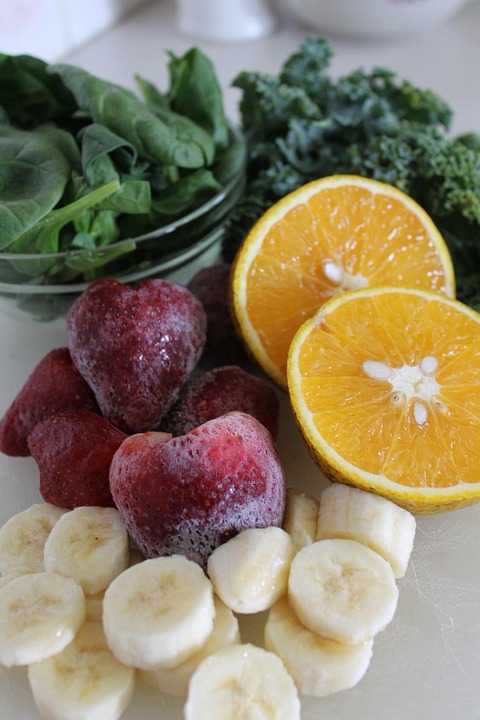
- Natural Ingredients: Opt for fresh fruits, vegetables, lean proteins, and whole grains.
- Healthy Fats: Avocados, nuts, and olive oil are great options.
- Low Glycemic Index (GI) Foods: Incorporate foods that have a low GI, meaning they impact blood sugar levels more slowly.
Importance of Low-Sugar Meals for Diabetics
Eating low-sugar meals can help you:
- Manage Blood Sugar Levels: Minimal sugar intake reduces spikes in blood sugar.
- Maintain a Healthy Weight: Low-calorie meals can aid in weight management.
- Improve Overall Health: A balanced diet enhances well-being, reducing the risk of diabetes-related complications.
Tips for Creating Low-Sugar Meals
1. Choose Whole Foods
Whole foods are minimally processed and retain their natural nutrients. Focus on:
- Fresh fruits and vegetables
- Whole grains like quinoa, brown rice, and oats
- Lean proteins, such as chicken breast, fish, and legumes
2. Use Spices and Herbs
Enhance flavors without adding sugar by incorporating:
- Cinnamon, which can help regulate blood sugar
- Fresh herbs like basil and parsley for added flavor
- Garlic and onion for savory notes
3. Read Labels
If you’re buying pre-packaged foods, always check the nutrition labels for added sugars. Aim for products that have:
- Less than 5 grams of sugar per serving
- No high-fructose corn syrup or artificial sweeteners
4. Meal Prep
Prepare meals ahead of time to ensure you have low-sugar options readily available. Consider batch cooking and storing portions in the refrigerator or freezer.
Top Low-Sugar Recipes for Diabetic Diets
Now that you know how to create low-sugar meals, let’s dive into some delicious recipes!
Recipe 1: Grilled Lemon Herb Chicken
Ingredients:
- 4 boneless, skinless chicken breasts
- Juice of 2 lemons
- 2 tablespoons olive oil
- Fresh herbs (thyme, rosemary, parsley)
- Salt and pepper to taste
Instructions:
- In a bowl, combine lemon juice, olive oil, herbs, salt, and pepper.
- Marinate chicken for at least 30 minutes.
- Preheat the grill and cook for 6-7 minutes on each side or until fully cooked.
- Serve with a side of steamed vegetables.
Recipe 2: Quinoa and Black Bean Salad
Ingredients:
- 1 cup cooked quinoa
- 1 can black beans, rinsed and drained
- 1 red bell pepper, diced
- 1 cup cherry tomatoes, halved
- ¼ cup cilantro, chopped
- Juice of 1 lime
- Salt and pepper to taste
Instructions:
- In a large bowl, mix cooked quinoa, black beans, bell pepper, tomatoes, and cilantro.
- Squeeze lime juice over the mixture and season with salt and pepper.
- Toss gently and serve chilled or at room temperature.
Recipe 3: Baked Salmon with Asparagus
Ingredients:
- 4 salmon fillets
- 1 bunch of asparagus
- 2 tablespoons olive oil
- Juice of 1 lemon
- Salt and pepper to taste
Instructions:
- Preheat the oven to 400°F (200°C).
- Arrange salmon and asparagus on a baking sheet.
- Drizzle olive oil, lemon juice, salt, and pepper over them.
- Bake for 15-20 minutes or until the salmon flakes easily with a fork.
Recipe 4: Zucchini Noodles with Pesto
Ingredients:
- 2 large zucchinis, spiralized
- 1/2 cup homemade or low-sugar basil pesto
- 1 cup cherry tomatoes, halved
- Grated Parmesan cheese for topping (optional)
Instructions:
- In a large skillet, sauté zucchini noodles over medium heat for 2-3 minutes until slightly softened.
- Stir in the pesto and cherry tomatoes, cooking for another minute.
- Serve with grated Parmesan cheese if desired.
Meal Planning and Portion Control
When managing diabetes, portion control is as important as the ingredients themselves. Here are some quick tips:
- Use Smaller Plates: This can help you gauge portion sizes more effectively.
- Balance Your Plate: Aim for half your plate to be vegetables, one-quarter protein, and one-quarter whole grains.
Conclusion
Creating low-sugar meals doesn’t have to be a daunting task. With the right knowledge and recipes, you can enjoy delicious, nutritious food that supports your health and well-being. By incorporating whole foods, herbs, and spices, you can craft meals that satisfy your cravings without compromising your dietary needs. Try out the recipes listed in this article and make them a staple in your diabetic diet. Remember, with a little planning and creativity, maintaining a low-sugar lifestyle is entirely attainable!
By implementing these tips and recipes, you can pave the way for a healthier future while enjoying the pleasures of great food. Dive into the world of low-sugar meals and start your journey today!