In today’s health-conscious world, plant-based diets are gaining significant popularity. Many people are making the switch to plant-based eating for various reasons, including health benefits, ethical concerns regarding animal welfare, and the environmental impacts of meat consumption. One common concern for those considering a plant-based diet is how to ensure they receive adequate protein. In this blog article, we’ll explore how to create a balanced plant-based protein meal plan that meets all your nutritional needs.
Understanding Plant-Based Proteins
Before diving into meal planning, it’s important to understand the various sources of plant-based protein. While animal products are often touted as the primary protein sources, many plants also pack a protein punch. Here’s a quick overview of the most common plant-based protein sources:
- Legumes: Beans, lentils, and peas are rich in protein and fiber.
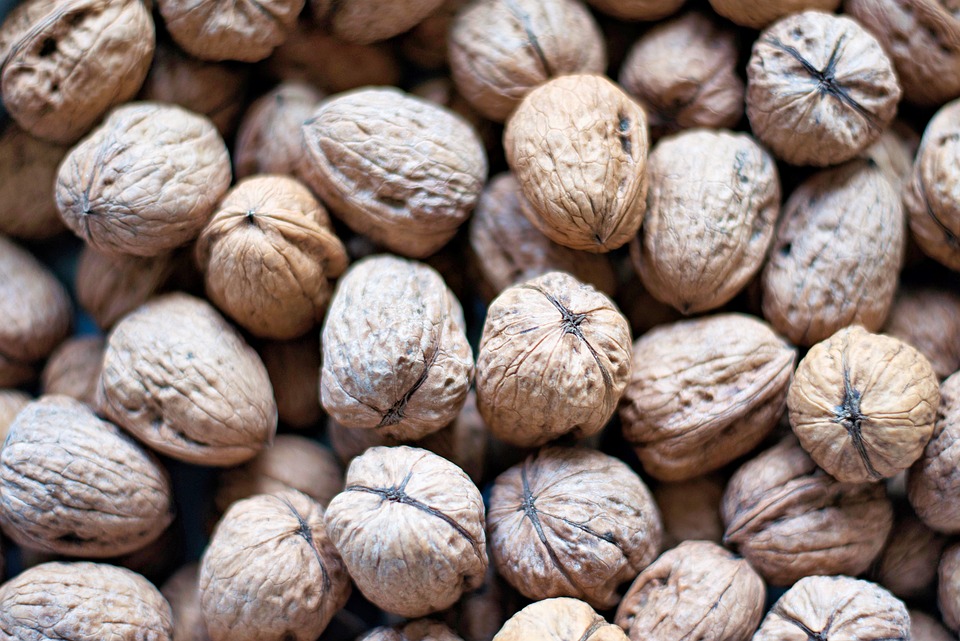
- Nuts and Seeds: Almonds, chia seeds, and hemp seeds not only provide protein but are also high in healthy fats.
- Whole Grains: Quinoa, brown rice, and barley offer a combination of protein and carbohydrates.
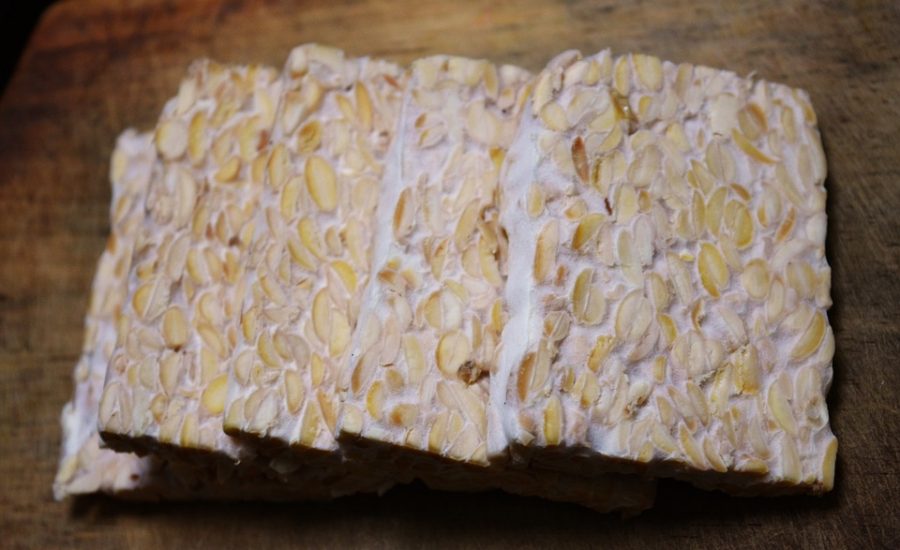
- Soy Products: Tofu, tempeh, and edamame are excellent protein sources that are versatile in cooking.
- Green Vegetables: While they contain less protein than legumes or grains, vegetables like spinach and broccoli still contribute to your daily intake.
Benefits of a Plant-Based Diet
A balanced plant-based diet can offer numerous health benefits, including:
- Weight Management: Plant-based diets are often lower in calories and high in fiber, promoting feelings of fullness.
- Heart Health: Diets rich in plant foods are associated with lower cholesterol levels and better heart health.
- Reduced Risk of Chronic Diseases: A diet high in fruits, vegetables, and whole grains may lower your risk of conditions like diabetes and certain cancers.
- Enhanced Digestive Health: High fiber content supports healthy digestion.
Creating Your Plant-Based Protein Meal Plan
Creating a balanced meal plan that includes an adequate amount of protein can be achieved using the following steps:
1. Determine Your Protein Needs
The first step in creating your plant-based protein meal plan is to determine how much protein you need. The Recommended Dietary Allowance (RDA) for protein is 46 grams per day for women and 56 grams for men, but individualized needs may vary based on activity level, age, and overall health.
2. Diverse Protein Sources
Aim to include a variety of protein sources throughout the day. Diversity not only helps ensure you’re getting all essential amino acids but also keeps your meals exciting. Here’s how to incorporate different sources throughout the day:
Breakfast Ideas
- Chia Seed Pudding: Combine chia seeds with almond milk, and top with nuts and berries.
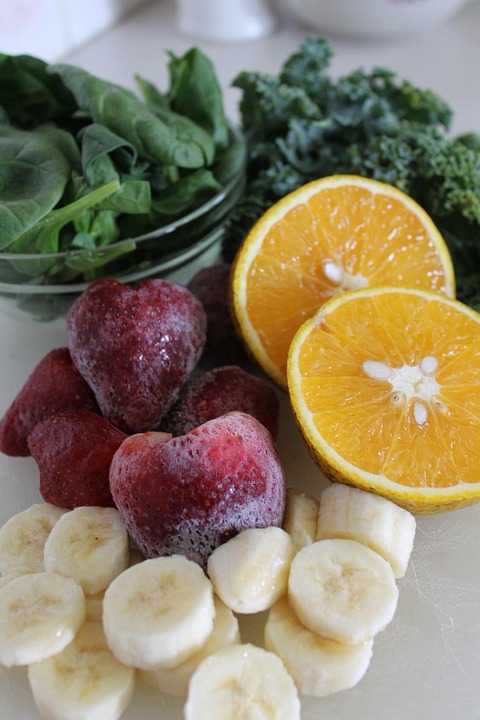
- Smoothie: Blend spinach, banana, protein powder (plant-based), and almond butter for a nutrient-rich start.
Lunch Options
- Quinoa Salad: Mix cooked quinoa, black beans, corn, diced bell peppers, and a lime dressing.
- Lentil Soup: Enjoy a hearty lentil soup with mixed vegetables and whole-grain bread.
Dinner Suggestions
- Stir-fried Tofu with Veggies: Use tofu along with a mix of colorful vegetables served over brown rice.
- Chickpea Curry: Pair chickpeas with coconut milk and spices, served with whole grain naan or rice.
3. Incorporate Snacks
Don’t overlook snacks, as they can also contribute to protein intake. Here are some healthy snack options:
- Hummus with Veggies: Pair this high-protein dip with carrots, cucumbers, or bell pepper strips.
- Nut Butter on Whole Grain Bread: An easy snack that provides both protein and healthy fats.
- Roasted Chickpeas: A crunchy, protein-packed snack that can easily be seasoned to taste.
4. Monitor Your Intake
To ensure you’re meeting your daily protein needs, consider using a food diary or a nutrition tracking app. This can help you stay accountable and adjust your meal plan as necessary. Here are some tips:
- Track Protein Sources: Note down the amount of protein in various foods you consume.
- Adjust Portions: If you’re falling short of your protein goals, consider increasing portion sizes of protein-rich foods or incorporating another snack.
5. Consider Supplements
If you find it challenging to meet your protein needs through food alone, plant-based protein powders or supplements can be helpful. Look for high-quality, minimal-ingredient options. Always consult with a healthcare provider before starting any new supplements.
Tips for Successful Meal Planning
Creating a meal plan doesn’t have to be overwhelming. Here are some additional tips for ensuring your plan is effective and enjoyable:
- Meal Prep: Prepare meals in advance to save time during the week. Cook grains and legumes in batches.
- Seasonal Produce: Incorporate seasonal fruits and vegetables for freshness and variety.
- Experiment: Don’t be afraid to try new recipes or ingredients.
Conclusion
Creating a balanced plant-based protein meal plan doesn’t need to be complicated. By understanding your protein needs, incorporating diverse sources of plant proteins, and planning your meals strategically, you can enjoy the many benefits of a plant-based diet. Remember, the key to a sustainable and enjoyable diet is variety and balance. So roll up your sleeves, get cooking, and embrace this vibrant and healthy way of eating!
By following these guidelines, you can ensure you’re not only meeting your protein needs but also enjoying a range of delicious and nourishing meals. Whether you’re a seasoned vegan or just starting out, a balanced plant-based protein meal plan can help you thrive on your health journey. Happy eating!