In today’s fast-paced world, achieving sustainable fat loss can sometimes feel like an uphill battle. With countless fad diets and weight loss trends at our fingertips, it’s easy to get overwhelmed. However, building healthy eating habits is the key to long-term fat loss and overall well-being. In this article, we’ll explore practical steps to cultivate these habits and achieve lasting results.
Understanding Sustainable Fat Loss
What is Sustainable Fat Loss?
Sustainable fat loss refers to the gradual and healthy reduction of body fat, achieved through consistent lifestyle changes rather than temporary fixes. It’s about creating a balanced approach that you can maintain in the long run.
Why Healthy Eating Habits Matter
Healthy eating habits play a crucial role in sustainable fat loss by:
- Reducing unhealthy cravings
- Boosting metabolism
- Enhancing mood and energy levels
- Improving overall health and well-being
Steps to Build Healthy Eating Habits
1. Start with Mindful Eating
Mindful eating is a powerful practice that encourages you to pay attention to what you eat and how you eat it. Here’s how to incorporate it into your daily routine:
- Eliminate Distractions: Set aside time to enjoy your meals without the influence of screens or other distractions.
- Savor Each Bite: Chew slowly and appreciate the flavors and textures of your food.
- Listen to Your Body: Pay attention to feelings of hunger and fullness, and stop eating when you’re satisfied, not stuffed.
2. Plan Your Meals
Meal planning not only saves time but also helps you make healthier choices. Here’s how you can start:
- Create a Weekly Menu: Dedicate time each week to plan your meals and snacks. Include a variety of foods to make it exciting.
- Prep in Advance: Meal prep on weekends can save time during busy weekdays. Cook larger portions and store them in portion-controlled containers.
- Incorporate Seasonal Foods: Choose fresh, seasonal produce for optimal nutrition and flavor.
3. Focus on Balanced Nutrition
A well-rounded diet is crucial for fat loss. Aim to incorporate:
- Lean Proteins: Chicken, turkey, fish, beans, and legumes help build muscle and keep you feeling full.
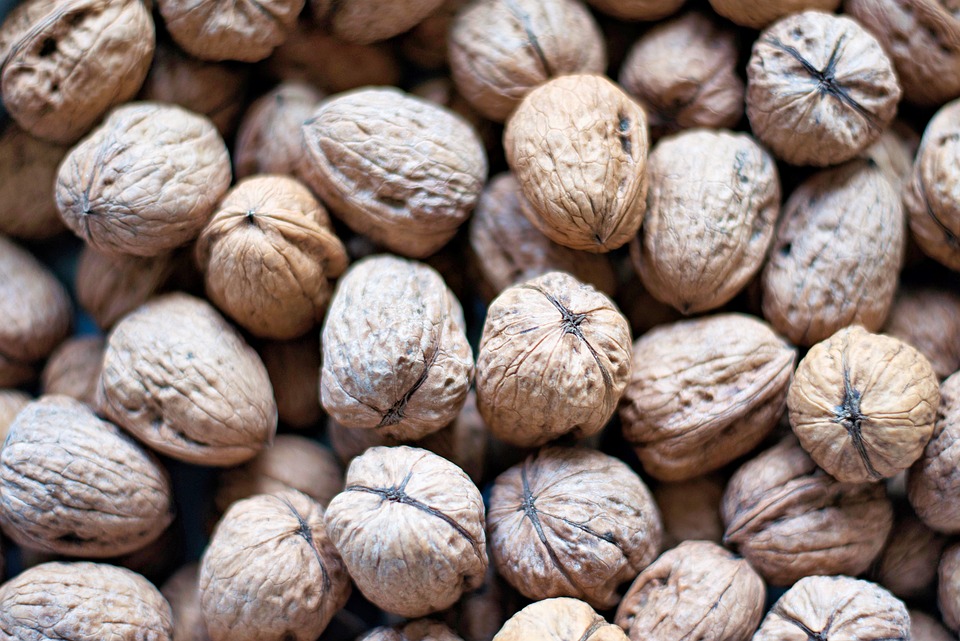
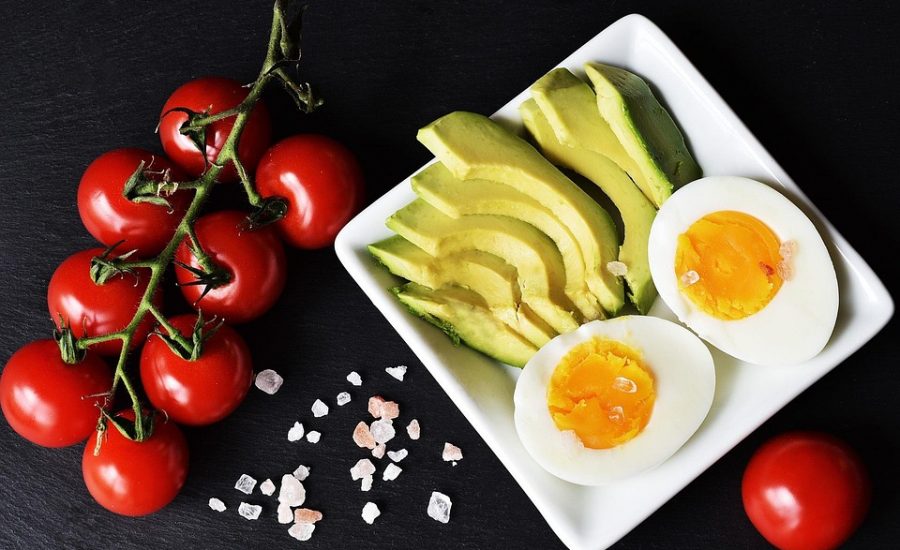
- Healthy Fats: Avocados, nuts, seeds, and olive oil support healthy body functions.
- Whole Grains: Quinoa, brown rice, and oats offer sustained energy and fiber.
- Fruits and Vegetables: Packed with vitamins, minerals, and antioxidants, they should fill half your plate.
4. Practice Portion Control
Understanding portion sizes can prevent overeating. Here are some tips:
- Use Smaller Plates: Smaller dishes make portions appear larger.
- Measure Serving Sizes: Familiarize yourself with serving sizes, especially for higher-calorie foods.
- Don’t Eat Straight from the Package: Pour snacks into a bowl to avoid mindless eating.
5. Stay Hydrated
Water plays a vital role in weight management. Here’s how to ensure you’re drinking enough:
- Drink Before Meals: Consuming water before meals can help control appetite.
- Opt for Water-Rich Foods: Include foods like cucumbers, watermelon, and oranges in your diet for added hydration.
- Limit Sugary Beverages: Skip sodas and juices to reduce empty calories.
6. Allow for Flexibility
Rigid dieting can lead to binge eating. Here’s how to maintain a flexible approach:
- Indulge Occasionally: Treat yourself to your favorite foods in moderation; this helps prevent feelings of deprivation.
- Listen to Cravings: Instead of ignoring cravings, find healthier alternatives (e.g., dark chocolate instead of milk chocolate).
- Be Forgiving: If you slip up, don’t dwell on it. Acknowledge one meal doesn’t define your journey.
7. Monitor Your Progress
Tracking your habits can help you stay accountable:
- Use a Food Diary: Keep a journal of what you eat and how you feel. This can reveal patterns and help you identify areas for improvement.
- Set Realistic Goals: Focus on non-scale victories, such as increased energy levels or better sleep.
- Seek Support: Connect with friends, family, or online communities for encouragement and accountability.
Conclusion: Your Journey Towards Sustainable Fat Loss
Building healthy eating habits is a marathon, not a sprint. By embracing mindful eating, planning meals, focusing on balanced nutrition, and allowing for flexibility, you can create sustainable fat loss strategies that work for you. Remember, the goal is not just to lose weight but to foster a healthy relationship with food and yourself.
With patience and perseverance, these habits will become second nature, paving the way for lasting change. Are you ready to embark on your journey towards healthier eating? Remember, small changes can lead to big results over time!