
Introduction
In today’s fast-paced world, stress is an everyday reality for many. Unfortunately, this stress often triggers cravings—especially for unhealthy foods. Whether it’s that late-night snack or the mid-afternoon sweet treat, understanding how to break the cycle of stress-induced cravings can lead to healthier choices and improved well-being. In this article, we’ll explore the relationship between stress and cravings, practical strategies to manage them, and tips for maintaining a balanced lifestyle.
Understanding the Link Between Stress and Cravings
What Happens in Your Brain?
When you experience stress, your body releases a hormone called cortisol. Elevated cortisol levels can lead to increased appetite and cravings for high-calorie, sugary, and fatty foods. This response is partly evolutionary; these foods provide quick energy in times of danger. Although modern-day stressors are often mentally taxing rather than physically demanding, our bodies still crave the same comfort foods.
Common Stress-Induced Cravings
People often turn to food as a coping mechanism. Here are some common stress-induced cravings:
- Sugary Snacks: Cookies, candies, and ice cream.
- Carbohydrates: Bread, pasta, and other starchy foods.
- Salty Foods: Chips, pretzels, and popcorn.
- High-Fat Foods: Pizza, burgers, and fried foods.
Understanding these cravings is the first step in breaking the cycle.
Strategies to Break the Cycle
1. Stress-Reduction Techniques
Implementing stress-reduction strategies can significantly lower your cravings. Here are some effective methods:
- Mindfulness and Meditation: Taking a few minutes each day to practice mindfulness can help you stay grounded and reduce anxiety.
- Deep Breathing Exercises: During stressful moments, deep breathing can help calm your nervous system.
- Physical Activity: Regular exercise is a fantastic way to alleviate stress. Aim for at least 150 minutes of moderate-intensity activity per week.
2. Healthy Snacking Alternatives
When cravings strike, having healthy snacks on hand can make a big difference. Replace unhealthy options with the following:
- Fruits: Fresh fruits like apples and berries are nutritious and satisfying.
- Vegetables: Carrot sticks, cucumber slices, or bell pepper strips with hummus can satisfy crunch cravings.
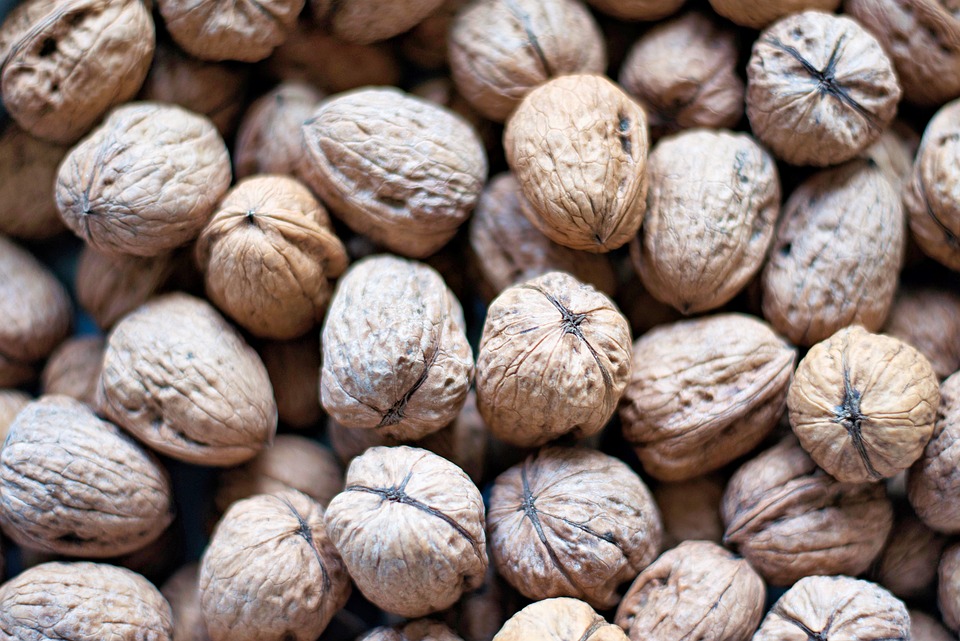
- Nuts and Seeds: Opt for unsalted varieties to keep it healthy.
- Greek Yogurt: A great source of protein that can curb hunger pangs.
3. Stay Hydrated
Sometimes, the body confuses thirst with hunger. Ensure you’re drinking enough water throughout the day. Aim for at least 8 glasses of water, more if you’re active or if the weather is hot.
4. Maintain a Balanced Diet
Eating a well-rounded diet can help stabilize blood sugar levels and minimize cravings. Focus on:
- Whole Grains: Brown rice, quinoa, and whole-grain bread.
- Lean Proteins: Chicken, fish, legumes, and tofu.
- Healthy Fats: Avocados, olive oil, and fatty fish like salmon.
5. Distraction Techniques
When cravings hit, distract yourself with an activity:
- Engage in a Hobby: Whether it’s gardening, knitting, or painting, find an activity that you love.
- Take a Walk: A quick stroll can help clear your mind and reduce cravings.
- Connect with Others: Call a friend or family member to chat about something enjoyable.
Building Healthy Habits
1. Track Your Cravings
Keep a journal to monitor when and why cravings occur. This will help you identify triggers and work on strategies to combat them. Note any:
- Time of day
- Emotional state
- Situational triggers
2. Develop a Routine
Establishing a structured routine can provide stability and reduce uncertainty, which often leads to stress. Aim for consistent meal times and scheduled breaks throughout the day.
3. Limit Exposure to Triggers
If certain situations or places lead to cravings, try to limit your exposure. For example:
- Avoid the candy aisle: When shopping, stick to the perimeter of the store.
- Create a craving-free zone: Designate areas in your home where unhealthy snacks are not allowed.
Conclusion
Breaking the cycle of stress-induced cravings is a multi-faceted approach that requires understanding, planning, and dedication. By recognizing the connection between stress and food cravings, incorporating healthy alternatives, and practicing stress-reduction techniques, you can take control of your eating habits. Remember, it’s not about perfection; it’s about progress. Slowly implementing these strategies can lead to a healthier, more balanced lifestyle, allowing you to manage stress without turning to food for comfort.
By taking small, consistent steps, you can break the cycle and foster a more mindful and rewarding relationship with food. So, the next time stress hits, remember these strategies to help manage those cravings and lead to a healthier you.