
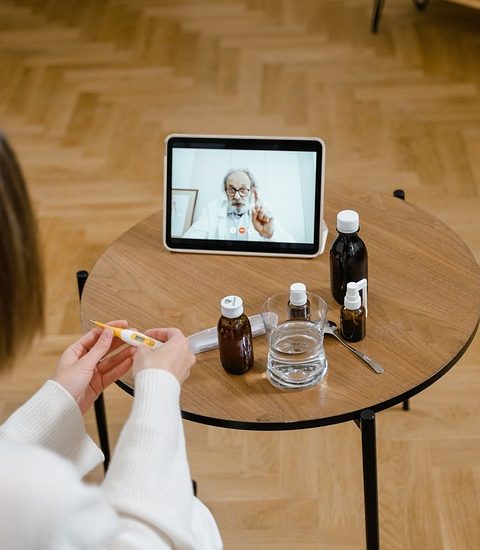
Living with diabetes can be challenging, affecting both physical and emotional well-being. The rise of telehealth, combined with innovative medications such as GLP-1 receptor agonists, is transforming diabetes management for patients across the globe. This article will explore how GLP-1 telehealth programs are reshaping the landscape of diabetes care, providing patients with easier access to medication, personalized support, and a more comprehensive management strategy.
What are GLP-1 Receptor Agonists?
Understanding GLP-1
Glucagon-like peptide-1 (GLP-1) is a hormone naturally produced in the gut that plays a crucial role in glucose metabolism. It helps to:
- Stimulate insulin secretion
- Suppress glucagon release
- Slow gastric emptying
- Reduce appetite
GLP-1 Medications
GLP-1 receptor agonists are synthetic versions of this hormone. Popular medications in this class include:
- Liraglutide (Victoza)
- Semaglutide (Ozempic)
- Dulaglutide (Trulicity)
These medications are primarily used to treat Type 2 diabetes and have shown great promise in weight management, cardiovascular health, and overall glycemic control.
The Rise of Telehealth in Diabetes Management
What is Telehealth?
Telehealth refers to the use of digital technology to deliver healthcare services remotely. It includes virtual consultations, remote monitoring, and various patient support tools. Telehealth has become increasingly important in recent years, particularly during the COVID-19 pandemic, due to its convenience and accessibility.
Benefits of Telehealth for Diabetes Patients
-
Accessibility: Patients can connect with healthcare providers from the comfort of their homes, reducing travel time and related stress.
-
Continuous Monitoring: Wearable devices and health apps allow for real-time tracking of blood glucose levels, enabling timely interventions.
-
Personalized Care: Telehealth enables healthcare providers to offer tailored advice based on real-time data, enhancing individual treatment plans.
How GLP-1 Telehealth Programs Work
Streamlined Processes
GLP-1 telehealth programs integrate technology into diabetes care. Here’s how they typically function:
-
Initial Consultation: Patients meet with a healthcare provider via video to discuss their diabetes management and treatment options.
-
Prescription Delivery: If a GLP-1 medication is prescribed, it can be delivered directly to the patient’s home.
-
Ongoing Support: Regular follow-up meetings help monitor progress, adjust treatment plans, and provide education about diabetes management.
Key Components
-
Patient Education: Telehealth programs emphasize education about lifestyle changes, nutrition, and medication adherence, ensuring patients understand how to manage their condition effectively.
-
Integrated Technology: Many programs utilize apps for tracking insulin intake, monitoring blood glucose, and recording food intake, providing a comprehensive overview of the patient’s health.
-
Team-Based Approach: Healthcare providers, dietitians, and diabetes educators work together to offer holistic care, addressing various aspects of diabetes management.
The Impact of GLP-1 Telehealth Programs
Enhanced Patient Outcomes
Research indicates that telehealth programs incorporating GLP-1 medications can lead to:
- Significant reductions in HbA1c levels (a key marker for diabetes control)
- Improved weight management
- Better adherence to medication protocols
Increased Patient Satisfaction
Patients participating in GLP-1 telehealth programs often report higher satisfaction levels due to:
- Increased convenience and accessibility
- Personalized care plans tailored to individual needs
- Ongoing support and encouragement from healthcare teams
Cost-Effective Solutions
Telehealth can be a more economical approach for both patients and healthcare systems:
- Reduced travel costs and time
- Lower overhead for healthcare facilities
- Less frequent hospital visits for diabetes-related complications
Challenges and Considerations
Technology Barriers
While telehealth offers numerous benefits, challenges remain, such as:
- Limited access to technology, especially for older adults or underserved populations
- Potential issues with internet connectivity
Patient Engagement
To maximize the benefits of GLP-1 telehealth programs, patient engagement is crucial. This includes:
- Encouraging patients to actively participate in their care
- Providing user-friendly technology and support for those unfamiliar with digital health platforms
Conclusion
The revolution in diabetes management through GLP-1 telehealth programs is paving the way for better patient outcomes, enhanced satisfaction, and cost-effective care solutions. By leveraging technology and personalized support, these innovative programs empower patients to take control of their health like never before.
With ongoing advancements and a commitment to improving accessibility, GLP-1 telehealth programs are set to play a pivotal role in the future of diabetes management. For those living with diabetes, this transformation is not just a trend; it’s a lifesaving opportunity to gain control and improve quality of life. Embracing these changes means embracing a healthier future.
This comprehensive guide provides valuable insight into the ways GLP-1 telehealth programs are revolutionizing diabetes management. From understanding the medication to leveraging the advantages of technology, this article equips you with essential information for better diabetes care.