
In today’s fast-paced world, many are on the hunt for sustainable weight management solutions that cater to both body and mind. One often-overlooked approach is hormone-friendly eating. This method emphasizes the importance of nutrition in balancing hormonal health, leading to effective, long-term weight management. In this article, we’ll explore how hormone-friendly eating can help you maintain a healthy weight and provide you with practical dietary tips to incorporate into your lifestyle.
Understanding Hormones and Weight Management
Hormones play a crucial role in regulating various bodily functions, including metabolism, appetite, and fat storage. When our hormones are out of balance, it can lead to weight gain, increased cravings, and other health issues. Here are some key hormones involved in weight management:
- Insulin: Helps regulate blood sugar levels and fat storage.
- Cortisol: Known as the stress hormone, it can lead to weight gain when chronically elevated.
- Leptin: Signals fullness to the brain; resistance to leptin can cause overeating.
- Ghrelin: The hunger hormone that stimulates appetite.
By making conscious food choices, you can support optimal hormonal balance and create a sustainable path to weight management.
The Fundamentals of Hormone-Friendly Eating
Adopting a hormone-friendly diet involves choosing foods that provide nutrients necessary for hormone production and regulation. Here are some basic principles to get you started:
1. Prioritize Whole Foods
Aim to fill your plate with minimally processed foods that offer maximum nutrition. Whole foods are packed with vitamins, minerals, and antioxidants that support hormonal health.
- Fruits and Vegetables: Aim for a rainbow on your plate. Leafy greens, berries, and cruciferous vegetables are particularly beneficial.
- Whole Grains: Choose brown rice, quinoa, and oats over refined grains to help regulate insulin levels.
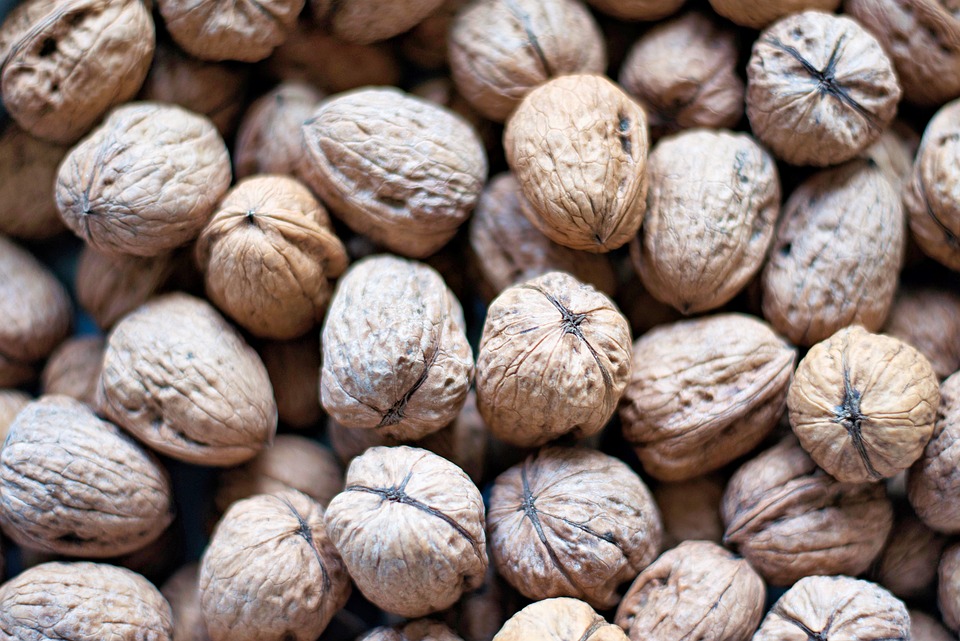
- Protein Sources: Incorporate lean meats, fish, legumes, and nuts. These are essential for hormone production.
2. Balance Macronutrients
A balanced diet includes carbohydrates, proteins, and fats in appropriate proportions. Each macronutrient plays a vital role in hormone regulation:
- Complex Carbohydrates: Focus on fiber-rich carbs to help stabilize blood sugar and promote fullness.
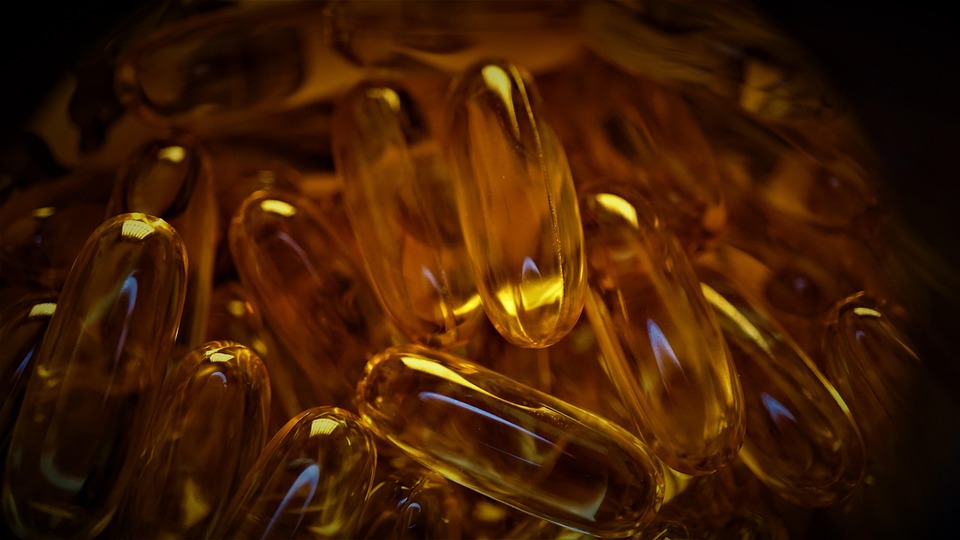
- Healthy Fats: Include sources like avocados, olive oil, and fatty fish. Omega-3 fatty acids are particularly beneficial for managing inflammation and hormonal balance.
- High-Quality Proteins: Protein stabilizes blood sugar levels and promotes muscle mass, which can boost metabolism.
3. Mind Your Portions
Portion control plays a significant role in hormone balance. Eating the right amount of healthy foods helps regulate insulin and leptin levels. Here are some tips:
- Use Smaller Plates: This can help naturally reduce portion sizes.
- Listen to Your Body: Pay attention to hunger and fullness cues. Stop eating when you feel satisfied, not stuffed.
4. Minimize Sugar and Processed Foods
Sugar and highly processed foods can wreak havoc on your hormonal balance. Here’s why:
- Insulin Spikes: Sudden sugar intake can lead to insulin resistance over time.
- Increased Cravings: Sugar may spike your cortisol levels, causing cravings for more unhealthy foods.
5. Stay Hydrated
Proper hydration is essential for overall health, including hormonal balance. Aim to drink enough water throughout the day to support digestion and nutrient absorption. Here are a few helpful tips:
- Carry a Water Bottle: Keep it with you to remind yourself to drink.
- Track Your Intake: Use apps or journals to monitor daily water consumption.
6. Include Anti-Inflammatory Foods
Inflammation can disrupt hormonal balance, leading to various health issues, including weight gain. Incorporate these anti-inflammatory foods:
- Turmeric: Contains curcumin, known for its anti-inflammatory properties.
- Green Tea: Rich in antioxidants, it helps reduce inflammation and supports metabolism.
- Berries: Packed with antioxidants that combat inflammation.
Sample Hormone-Friendly Meal Plan
To help you visualize what hormone-friendly eating might look like, here’s a simple meal plan to consider:
Breakfast
- Overnight oats topped with chia seeds, berries, and a dollop of Greek yogurt.
Lunch
- Quinoa salad with mixed greens, chickpeas, avocados, and a lemon-olive oil dressing.
Snack
- A handful of nuts or a piece of fruit.
Dinner
- Grilled salmon with steamed broccoli and sweet potato.
Hydration
- Aim for at least eight 8-ounce glasses of water throughout the day. Herbal teas can also boost hydration.
Conclusion
Hormone-friendly eating offers a holistic approach to sustainable weight management. By focusing on whole foods, balancing macronutrients, and minimizing processed foods, you can support hormonal health while achieving your weight loss goals. Remember, every body is unique; it may take time to find what works best for you. By committing to these principles, you’ll not only enhance your well-being but also pave the way for a healthy relationship with food and your body.
Adopting hormone-friendly eating habits can be a rewarding journey that empowers you in your quest for health and longevity. Start small, make gradual changes, and watch how your body responds positively over time. For a sustainable and healthy lifestyle, embrace the concept of hormone-friendly eating today!