
Maintaining healthy blood sugar levels is crucial for overall wellness, particularly for individuals with diabetes or insulin resistance. The foods we consume play a significant role in managing blood sugar levels. This guide will explore the best foods to include in your diet and those to avoid, helping you maintain balanced blood glucose levels.
Understanding Blood Sugar Regulation
What is Blood Sugar?
Blood sugar, or glucose, is the primary sugar found in your blood. It provides energy to cells but must be maintained within a specific range. When blood sugar spikes too high or drops too low, it can lead to various health issues, such as diabetes, fatigue, or chronic diseases.
How Blood Sugar Works
When you eat, your body breaks down carbohydrates into glucose, which then enters your bloodstream. Insulin, a hormone produced by the pancreas, helps move this glucose from your blood into your cells. However, certain foods can cause rapid spikes in blood sugar levels, while others promote steadier, healthier levels.
Foods to Eat for Regulated Blood Sugar
Incorporating certain foods into your diet can significantly impact your blood sugar levels. Here are some top choices:
High-Fiber Foods
Fiber slows down the absorption of sugar, helping to maintain steady blood glucose levels.
- Fruits: Choose berries, apples, and pears for their high fiber and low glycemic index.
- Vegetables: Broccoli, spinach, and carrots are fiber-rich and nutrient-dense.
- Whole Grains: Oats, quinoa, and brown rice provide more fiber than their refined counterparts.
Healthy Fats
Fats can help regulate blood sugar by slowing down carbohydrate absorption.
- Avocados: Packed with healthy monounsaturated fats that also help to control hunger.
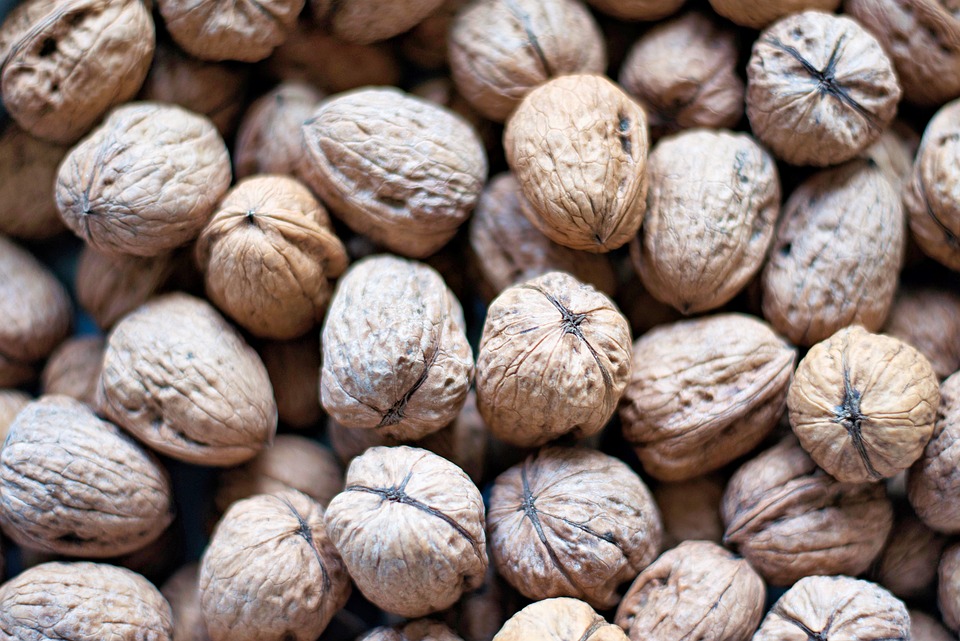
- Nuts and Seeds: Almonds, walnuts, and chia seeds are excellent sources of healthy fats and fiber.
- Olive Oil: Use it as a dressing or cooking oil for its heart-healthy properties.
Lean Proteins
Protein helps to reduce the glycemic response of meals, keeping blood sugar levels stable.
- Fish: Salmon and mackerel are rich in omega-3 fatty acids.
- Poultry: Chicken and turkey provide lean protein without excess fat.
- Legumes: Lentils and chickpeas contribute both protein and fiber.
Low Glycemic Index (GI) Foods
Another effective way to regulate blood sugar is to focus on low-GI foods.
- Sweet Potatoes: Unlike white potatoes, sweet potatoes have a lower GI.
- Non-Starchy Vegetables: Peppers, cucumbers, and onions are excellent choices.
- Whole Grains: Foods like barley and whole grain pasta have a lower GI than refined grains.
Foods to Avoid for Blood Sugar Control
It’s equally important to be aware of foods that can lead to unstable blood sugar levels. Here are some common culprits:
Refined Carbohydrates
These foods can cause rapid spikes in blood sugar.
- White Bread: Made from refined flour, it lacks the fiber needed to slow sugar absorption.
- Sugary Snacks: Candy and pastries are high in sugars but low in nutritional value.
- Processed Foods: Often loaded with added sugars and refined carbs.
Sugary Beverages
Drinks high in sugar can impact blood glucose levels dramatically.
- Sodas: High in sugar and calories with no nutritional benefits.
- Fruit Juices: Even 100% fruit juice can be high in sugar and lack fiber.
- Energy Drinks: Typically loaded with sugars and stimulants that can cause sugar spikes.
High-Sugar Foods
Limit desserts and foods that contain large amounts of sugar.
- Ice Creams and Desserts: Often high in sugar and low in fiber, these can lead to weight gain.
- Breakfast Cereals: Many are loaded with sugar; always opt for whole grain and low-sugar options.
Lifestyle Tips for Better Blood Sugar Management
Eating the right foods is essential, but a few lifestyle changes can further help regulate blood sugar levels.
Regular Exercise
Engaging in regular physical activity helps improve insulin sensitivity, promoting better blood sugar control. Aim for at least 150 minutes of moderate-intensity exercise weekly.
Stay Hydrated
Drinking plenty of water can assist your kidneys in flushing out excess sugar through urine. Aim to drink at least eight 8-ounce glasses of water daily.
Monitor Portions
Being mindful of portion sizes can help prevent overeating and support better blood sugar management.
Conclusion
Managing blood sugar levels through diet is a vital component of health and well-being. By focusing on high-fiber foods, healthy fats, lean proteins, and low-GI options, you can naturally regulate your blood sugar. Conversely, limiting refined carbohydrates, sugary drinks, and high-sugar foods is just as important.
By making these dietary adjustments and incorporating healthy lifestyle habits, you can achieve better blood glucose control, leading to improved overall health. Remember to consult healthcare professionals or a registered dietitian for personalized advice tailored to your specific needs.