
Maintaining stable blood sugar levels is crucial for overall health and well-being. Not only does it help prevent energy crashes, but it also plays a significant role in mood regulation and cognitive function. In this article, we’ll explore the best foods that help maintain stable blood sugar levels, empowering you to make healthier dietary choices for sustained energy throughout the day.
Understanding Blood Sugar Levels
Blood sugar, or glucose, is the body’s primary source of energy. Our bodies regulate blood sugar levels through insulin and glucagon. When blood sugar levels fluctuate too much—either spiking high or dropping low—it can lead to symptoms like fatigue, irritability, and difficulty concentrating.
Why Food Choices Matter
The foods you consume can either spike your blood sugar or help maintain levels within a healthy range. By choosing the right foods, you can enjoy lasting energy and avoid the common pitfalls of sugar crashes and fatigue.
Foods That Support Stable Blood Sugar
To keep your blood sugar levels steady, focus on incorporating the following foods into your diet:
1. High-Fiber Foods
Fiber slows down the absorption of sugar in your bloodstream. This helps keep your blood glucose levels steady.
- Whole Grains: Foods like quinoa, brown rice, oats, and whole-grain bread.
- Fruits: Berries, apples, pears, and oranges.
- Vegetables: Leafy greens, broccoli, carrots, and Brussels sprouts.
2. Lean Proteins
Protein is another key player in stabilizing blood sugar. It takes longer to break down, which keeps you feeling full longer and helps maintain steady energy levels.
- Chicken and Turkey: These lean meats are rich in protein and low in unhealthy fats.
- Fish: Salmon, tuna, and sardines not only provide protein but also omega-3 fatty acids beneficial for heart health.
- Legumes: Beans, lentils, and chickpeas are excellent plant-based protein sources that also contain fiber.
3. Healthy Fats
Healthy fats can slow the emptying of your stomach, which helps maintain blood sugar control.
- Avocados: Packed with monounsaturated fats and fiber.
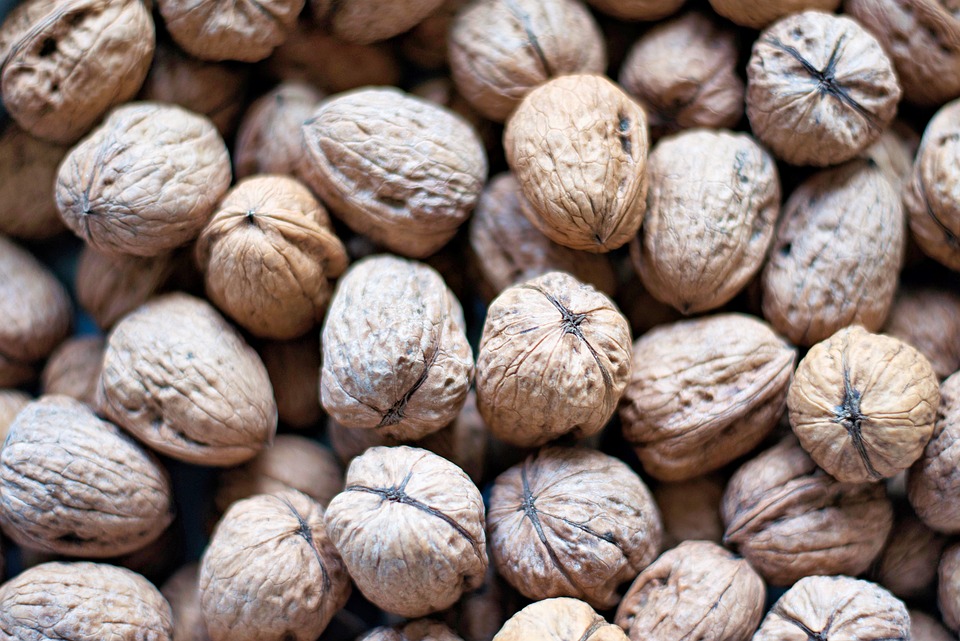
- Nuts and Seeds: Almonds, walnuts, chia seeds, and flaxseeds. These are also an excellent source of omega-3 fatty acids.
- Olive Oil: A heart-healthy fat that can be used in cooking or drizzled over salads.
4. Low Glycemic Index (GI) Foods
Low GI foods are digested slowly, leading to gradual increases in blood sugar rather than spikes.
- Sweet Potatoes: A nutritious, low GI alternative to white potatoes.
- Whole Grains: Such as barley and bulgur.
- Fruits: Cherries and grapefruits are low on the GI scale.
5. Fermented Foods
Fermented foods can not only support gut health but may also aid in blood sugar control.
- Yogurt: Look for plain, unsweetened varieties rich in probiotics.
- Kefir: A fermented milk drink that is loaded with healthy bacteria.
- Sauerkraut and Kimchi: These are great for adding flavor to meals while supporting gut health.
Meal Planning for Stable Blood Sugar
Eating for stable blood sugar involves more than just choosing the right foods; it’s also about how you combine them and when you eat. Here are some tips for effective meal planning:
Balanced Meals
Aim for a balance of the three macronutrients: carbohydrates, proteins, and fats. A good meal should ideally look like this:
- 1/4 plate whole grains (carbohydrates)
- 1/4 plate lean protein
- 1/2 plate non-starchy vegetables
- Healthy fat (e.g., avocado, olive oil)
Regular Meal Times
Eating at regular intervals throughout the day can help maintain stable blood sugar levels. Consider:
- Three balanced meals
- Two healthy snacks: Opt for combinations like a handful of nuts with a piece of fruit or hummus with veggies.
Mindful Eating
Pay attention to hunger cues and avoid eating out of boredom or stress. Focusing on your meal can help emphasize the flavors and textures, making the dining experience more satisfying.
Conclusion
Eating for energy and maintaining stable blood sugar levels involves understanding the types of foods that nourish your body. By incorporating high-fiber foods, lean proteins, healthy fats, low GI options, and fermented foods, you can support your overall health and energy levels effectively. Remember, it’s essential to plan meals thoughtfully, eat regularly, and be mindful of how you eat.
By making simple yet conscious dietary changes, you can vastly improve your energy levels and overall well-being, ensuring that you stay energized throughout your day. Start today—your body will thank you!