
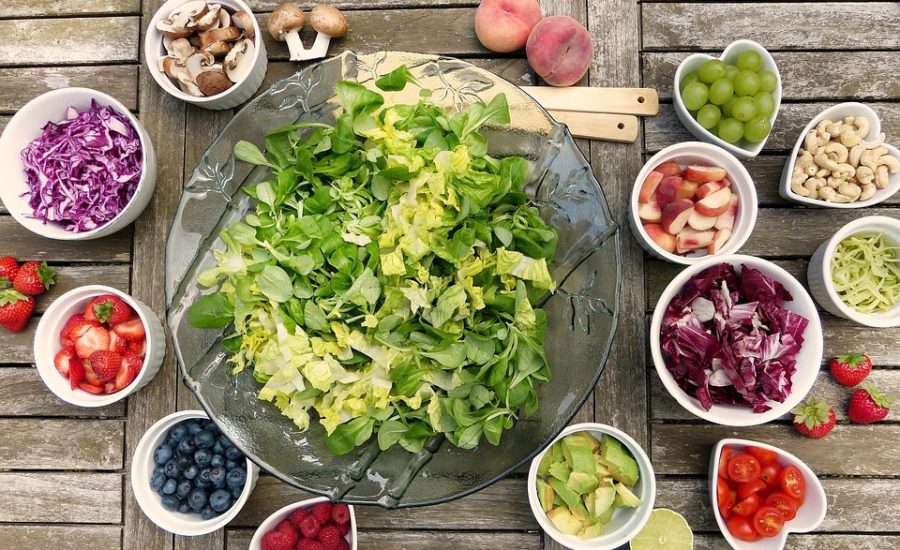
When it comes to managing diabetes, diet plays a crucial role. Eating the right foods can help control blood sugar levels and provide essential nutrients. One key aspect many people overlook is the glycemic index (GI) of foods, particularly vegetables. In this article, we will explore the best low glycemic vegetables that can make your meals both diabetic-friendly and delicious.
Understanding the Glycemic Index
What is Glycemic Index?
The glycemic index measures how quickly a food raises blood sugar levels after consumption. Foods are classified into three categories:
- Low GI (0-55): These foods raise blood sugar slowly.
- Medium GI (56-69): These foods cause a moderate increase in blood sugar.
- High GI (70 and above): These foods lead to a rapid spike in blood sugar levels.
For diabetics or those looking to maintain stable energy levels, choosing low GI foods is crucial.
Why Opt for Low Glycemic Vegetables?
Low glycemic vegetables are not only beneficial for blood sugar management, but they also provide essential vitamins, minerals, and fiber. Including these in your diet can help improve digestive health, boost heart health, and support weight management.
Top Low Glycemic Vegetables
Here’s a closer look at some of the best low glycemic vegetables you can incorporate into your meals.
1. Leafy Greens
Spinach
- GI: 15
- Benefits: Spinach is rich in iron, calcium, and vitamins A and C. It can be easily added to salads, smoothies, or stir-frys.
Kale
- GI: 15
- Benefits: High in vitamin K and great for heart health, kale can be enjoyed in salads or as crispy kale chips.
2. Cruciferous Vegetables
Broccoli
- GI: 10
- Benefits: Broccoli is a powerhouse of nutrients, containing high levels of vitamin C, fiber, and antioxidants. It’s perfect steamed, roasted, or in soups.
Cauliflower
- GI: 15
- Benefits: Cauliflower is versatile; it can be mashed, riced, or roasted. It’s also a great low-carb substitute.
3. Root Vegetables
Carrots
- GI: 41
- Benefits: Crunchy and sweet, carrots are excellent raw or cooked. They are rich in beta-carotene, which is important for eye health.
Beets
- GI: 64
- Benefits: While slightly higher, beets still can be part of a diabetic diet when consumed in moderation. They are great roasted or cooked into salads.
4. Peppers
Bell Peppers
- GI: 15
- Benefits: Rich in vitamins A and C, bell peppers add color and crunch to any dish. They can be eaten raw, grilled, or stuffed.
5. Squash
Zucchini
- GI: 15
- Benefits: Zucchini is low in calories and can be sautéed, grilled, or spiralized as a healthy noodle alternative.
Butternut Squash
- GI: 51 (moderate)
- Benefits: When consumed in controlled portions, this squash is loaded with vitamins and fiber. It’s great in soups or roasted.
How to Incorporate Low Glycemic Vegetables into Your Meals
Adding these low glycemic vegetables to your diet doesn’t have to be boring. Here are some tips to make your meals colorful and nutritious:
Salad Mix
Create a vibrant salad using spinach, kale, bell peppers, and shredded carrots. Top it off with a low-fat dressing for a refreshing meal.
Stir-Fry
Stir-fry broccoli, bell peppers, and zucchini with a splash of low-sodium soy sauce or teriyaki sauce. This quick dish is packed with flavor and nutrients.
Soups and Stews
Incorporate vegetables like carrots, cauliflower, and beets into hearty soups or stews. Add lean proteins like chicken or beans for a complete meal.
Smoothies
Blend spinach or kale with low-sugar fruits such as berries for a nutritious breakfast or snack.
The Importance of Portion Control
While these vegetables are low in glycemic index, portion control is vital for maintaining stable blood sugar levels. Following recommended serving sizes ensures you get the benefits without overloading your system.
Monitoring Your Blood Sugar
Incorporating low glycemic vegetables is just one part of managing diabetes. Regular monitoring of blood sugar levels is essential, and it’s always best to consult with a healthcare provider or a registered dietitian when making dietary changes.
Conclusion
Choosing low glycemic vegetables is an effective strategy for managing diabetes while enjoying delicious meals. From leafy greens to colorful peppers, there are plenty of options to suit your taste. Remember to practice portion control and regularly monitor your blood sugar levels. By making these simple dietary adjustments, you can take charge of your health and enjoy a varied, nutritious diet.
Incorporate these vegetables into your meals today and discover the delicious impact they can have on your diet!
Keywords:
- Low glycemic vegetables
- Diabetic-friendly meals
- Glycemic index
- Blood sugar management
- Healthy eating for diabetes
By following these guidelines, you can ensure that your blog post is not only informative but also optimized for SEO, making it easier for those searching for diabetic-friendly meal options to find your content.