
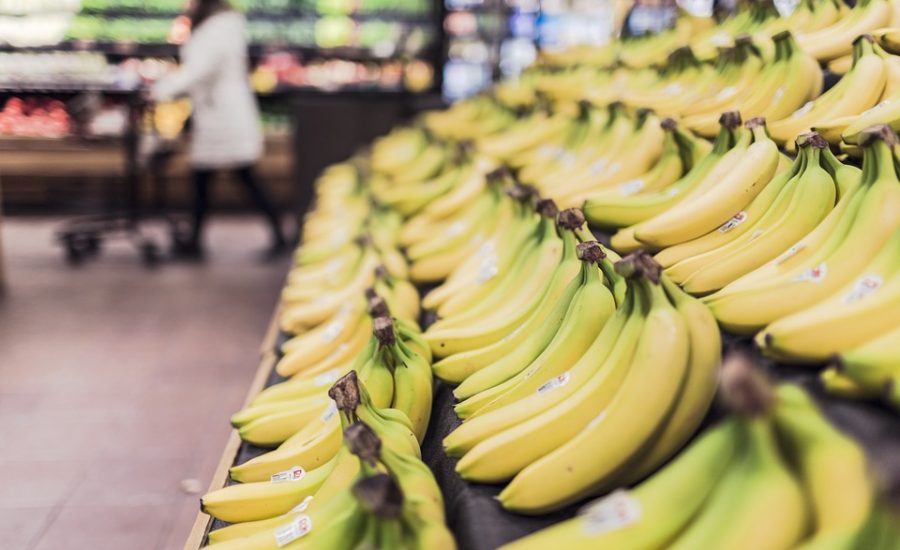
Living with diabetes can sometimes make grocery shopping feel overwhelming. With so many food options, it can be challenging to choose the right items to maintain a healthy diet. This guide aims to simplify your grocery shopping experience with a comprehensive list tailored for those managing diabetes. With insightful tips and easy-to-follow categories, you’ll be well-equipped to make healthier choices in the aisles.
Understanding Diabetes and Food Choices
What is Diabetes?
Diabetes is a chronic condition that affects how your body processes glucose (sugar). By understanding how different foods affect blood sugar levels, you can make informed choices that help manage your condition effectively.
Why Healthy Eating Matters
Eating well not only helps in stabilizing blood sugar levels but also contributes to overall health. A balanced diet can lead to improved energy levels, better mood, and a reduced risk of complications.
Key Nutritional Considerations for Diabetics
When shopping for groceries, keep the following key nutritional components in mind:
- Carbohydrates: Focus on complex carbs like whole grains rather than simple sugars.
- Fiber: High-fiber foods help regulate blood sugar levels.
- Protein: Lean sources of protein can aid in muscle maintenance and overall satisfaction.
- Healthy Fats: Incorporate sources of unsaturated fats which support heart health.
A Complete Grocery List for Diabetic Eating
Here’s a detailed grocery list structured into various categories. Please note that portion control and moderation are crucial when choosing foods.
Fresh Produce
-
Vegetables:
- Leafy greens (spinach, kale)
- Cruciferous veggies (broccoli, cauliflower)
- Bell peppers
- Carrots
- Zucchini
-
Fruits (great for snacking!):
- Berries (blueberries, strawberries)
- Apples (with the skin for added fiber)
- Pears
- Oranges
- Kiwi
Grains
- Whole grains: These are a healthier option compared to refined grains.
- Brown rice
- Oats
- Barley
- Quinoa
- Whole grain bread or wraps
Proteins
- Lean Proteins:
- Skinless chicken or turkey
- Fish (salmon, mackerel)
- Eggs or egg whites
- Tofu or tempeh
- Beans and legumes (chickpeas, lentils)
Dairy & Alternatives
Select low-fat or non-fat options to reduce calorie intake without losing essential nutrients.
- Dairy:
- Low-fat milk or yogurt
- Greek yogurt (plain, unsweetened)
- Plant-Based Alternatives:
- Almond milk, soy milk, or oat milk (without added sugars)
Healthy Fats
Healthy fats can help keep your heart healthy and can be satisfying when consumed in moderation.
- Sources of Healthy Fats:
- Avocado
- Nuts (almonds, walnuts)
- Seeds (chia, flaxseeds)
- Olive oil
Snacks
Healthy snacking can help manage hunger and prevent blood sugar spikes.
- Smart Snack Options:
- Hummus with veggie sticks (carrots, cucumber)
- Greek yogurt with berries
- Nuts (in moderation)
- Whole-grain crackers
- Popcorn (unsalted or lightly salted)
Condiments & Seasonings
Adding flavor to your meals does not have to come at the cost of your health. Opt for fresh herbs and spices.
- Flavor Enhancers:
- Olive oil
- Vinegar (balsamic, apple cider)
- Spices (cinnamon, turmeric, garlic powder)
- Fresh herbs (basil, cilantro)
Tips for Successful Diabetic Grocery Shopping
Plan Your Meals
Before heading to the store, try to plan out your meals for the week. This not only helps to save time but also ensures that you buy only what you need.
Read Food Labels
Understanding food labels will help you make better choices. Pay attention to:
- Total carbohydrates
- Fiber content
- Added sugars
- Serving sizes
Avoid Shopping When Hungry
When you’re hungry, you might be tempted to grab unhealthy snacks. Eat something healthy before you shop, which can lead you to make better choices.
Stick to the Perimeter of the Store
Most grocery stores are organized so that fresh fruits, vegetables, dairy, and meats are located around the outer perimeter. Try to focus your shopping in this area.
Keep a Flexible Mindset
Don’t be too hard on yourself if you stray from your meal plan occasionally. Having a balanced approach will make long-term adherence to a healthy diet much easier.
Conclusion
Grocery shopping for diabetes doesn’t have to be complicated. With the right grocery list and a few strategic tips, you can navigate the aisles with confidence and make healthier choices that support your wellbeing. Remember, managing diabetes through diet is not just about restrictions—it’s about discovering new flavors and enjoying nutritious meals. Happy shopping and here’s to your health!





 Weight Loss, Unlocked.