
In today’s health-conscious world, many people are looking for ways to optimize their diets for better health and sustained energy levels. One effective strategy involves incorporating low glycemic index (GI) foods into your meals. This article will delve into what low GI foods are, why they are beneficial, and provide a comprehensive list of delicious options to inspire your next grocery haul.
What Are Low GI Foods?
The glycemic index (GI) is a scale from 0 to 100 that ranks carbohydrate-containing foods based on how quickly they raise blood sugar levels. Foods with a low GI (55 or less) are digested and absorbed more slowly, leading to more stable blood sugar levels. This can be particularly beneficial for those managing diabetes, looking to lose weight, or wishing to maintain consistent energy levels throughout the day.
Benefits of Eating Low GI Foods
-
Stable Energy Levels: Low GI foods release glucose slowly into the bloodstream, providing a more sustained energy release. This helps you avoid energy crashes and feelings of fatigue.
-
Weight Management: These foods often keep you feeling fuller for longer, which can help control appetite and reduce cravings, making it easier to manage your weight.
-
Heart Health: A diet rich in low GI foods can improve cholesterol levels and reduce the risk of heart disease.
-
Reduced Risk of Type 2 Diabetes: Consuming low GI foods can help manage blood sugar levels, reducing the risk of type 2 diabetes.
-
Improved Mood: Stable blood sugar levels can contribute to better mental health by reducing mood swings and irritability.
Must-Have List of Low GI Foods
Whole Grains
Whole grains are an excellent source of fiber and other essential nutrients. They have a lower GI compared to their refined counterparts.
- Quinoa: A versatile grain that can be used in salads, bowls, or as a side dish. GI: 53
- Barley: Great in soups and stews, barley not only tastes good but is also nutritious. GI: 28
- Brown Rice: A wonderful alternative to white rice; pairs well with almost any meal. GI: 50
- Whole Wheat Pasta: Perfect for a variety of Italian dishes, it’s a healthier option than traditional pasta. GI: 37
Legumes
Legumes are not only low in GI but also packed with protein and fiber, making them a great dietary choice.
- Lentils: Easy to cook and absorb flavors well. They can be added to soups, salads, or main dishes. GI: 21
- Chickpeas: Known for their versatility, from hummus to salads, they are a powerhouse of nutrients. GI: 28
- Black Beans: High in protein and low in GI, they are perfect for tacos, salads, and more. GI: 30
- Kidney Beans: Excellent in stews and chilis, kidney beans are filling and nutritious. GI: 29
Fruits
Fresh fruits are not only delicious but are also full of vitamins and minerals. However, some fruits have a higher GI than others.
- Apples: A perfect on-the-go snack, they’re crunchy and satisfying. GI: 38
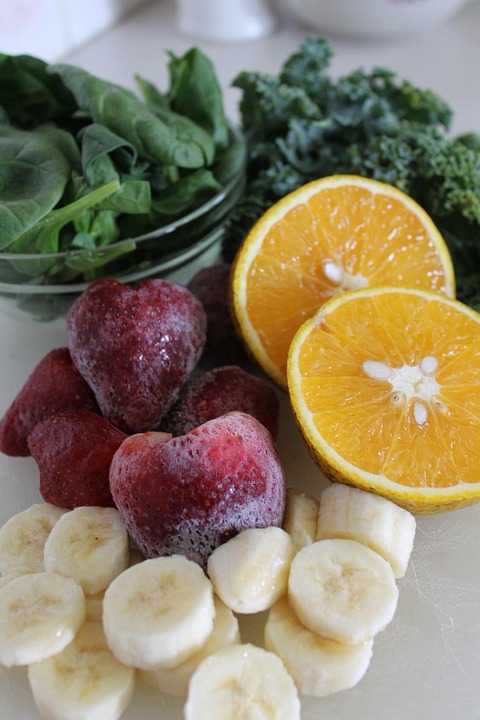
- Berries (Strawberries, Blueberries, Raspberries): Packed with antioxidants and low in sugar, berries are versatile for snacking or blending into smoothies. GI: 25 (average)
- Cherries: Sweet and juicy, cherries make a great summer snack. GI: 20
- Peaches: Fresh peaches are delightful in desserts or as a healthy snack. GI: 42
Vegetables
Eating a variety of vegetables is crucial for overall health. Most non-starchy vegetables are low in GI.
- Broccoli: Rich in vitamins and minerals, it can be eaten raw or cooked. GI: 10
- Spinach: Nutrient-dense and incredibly versatile, spinach can boost smoothies or salads. GI: 15
- Carrots: Crunchy and sweet, especially when raw, carrots are great for snacking. GI: 41
- Cauliflower: A low-carb favorite for rice substitutes, it’s adaptable in countless recipes. GI: 15
Dairy Alternatives
While traditional dairy products can vary in GI, many plant-based alternatives are great options.
- Greek Yogurt (unsweetened): Creamy and high in protein, it can be a base for various dishes. GI: 11
- Almond Milk: A low-calorie alternative to dairy milk; choose unsweetened varieties. GI: 30
- Soy Milk: Rich in protein and lower in sugar than many other milk alternatives. GI: 30
Tips for Incorporating Low GI Foods
-
Plan Your Meals: Make a meal plan that includes various low GI ingredients to help in managing blood sugar levels effectively.
-
Snack Wisely: Opt for fruits, nuts, or yogurt for snacks instead of high-sugar options.
-
Read Labels: When shopping, check product labels for glycemic index information, focusing on those with a lower GI.
-
Balance Your Plate: Pair low GI carbohydrates with healthy proteins and fats for a balanced meal.
-
Experiment with Recipes: Explore new recipes using low GI ingredients to find meals you enjoy—this can make transitioning easier and more enjoyable.
Conclusion
Incorporating low GI foods into your diet offers numerous health benefits, from weight management to improved energy levels. With a variety of delicious options available, you can create satisfying meals that don’t compromise on flavor. Whether you’re a seasoned chef or a casual cook, embracing low GI foods can lead to a healthier lifestyle. Start exploring the incredible array of whole grains, legumes, fruits, vegetables, and dairy alternatives today, and watch as your health and energy soar!
By following these tips and utilizing this list of low GI foods, you can enhance your meals while supporting your health. Healthy eating doesn’t have to be bland; with a bit of creativity, you can enjoy food that is both delicious and nutritious!