
Stress is an inevitable part of life. Whether it’s the pressure of deadlines or the challenges of personal relationships, we all encounter stressful moments. But did you know that stress can significantly impact your food cravings? In this article, we’ll delve deep into how stress affects our eating habits, the science behind it, and practical strategies to better manage your cravings during challenging times.
Understanding Stress and Its Impact on the Body
What is Stress?
Stress is the body’s response to any demand or challenge. It triggers a suite of physiological changes:
- Hormonal Reactions: The adrenal glands release stress hormones like cortisol and adrenaline.
- Physical Responses: Increased heart rate, heightened alertness, and intensified emotional responses.
- Long-term Impact: Prolonged stress can lead to chronic health issues, including obesity, heart disease, and anxiety disorders.
How Stress Affects Your Eating Habits
When faced with stress, many individuals experience shifts in appetite and cravings. This response can be categorized into two main types:
- Emotional Eating: In tough times, food can become a comfort, leading to cravings for high-calorie, sugary, and fatty foods.
- Loss of Appetite: Conversely, some people may experience a reduced appetite, affecting their nutritional intake.
The Science Behind Stress-Induced Cravings
Hormonal Influence
When under stress, the levels of cortisol (the stress hormone) surge. This increase can lead to:
- Enhanced Cravings for Sugar: Stress may trigger a desire for sugary foods, which can provide a temporary mood boost.
- Fatty Food Cravings: High-fat foods can activate the brain’s reward system, making them appealing during stressful periods.
Psychological Factors
Psychological stressors can ignite food cravings due to:
- Nostalgic Connections: Certain foods may be tied to comforting memories, like childhood treats.
- Distraction: Eating can serve as a distraction from the mental toll of stress, leading to mindless snacking.
The Vicious Cycle of Stress and Eating
Once you’ve experienced stress-induced cravings, a cycle can develop:
- Stress leads to cravings.
- Cravings result in unhealthy eating choices.
- Unhealthy eating can lead to increased stress, either from guilt or health concerns.
Recognizing Your Cravings
Types of Food Cravings
Understanding the types of cravings you experience can help you address them more effectively:
- Emotional Cravings: Often triggered by feelings of sadness, anxiety, or boredom.
- Physical Cravings: Usually result from genuine hunger, often for specific nutrients.
Keeping a Food Journal
Consider maintaining a food journal to track your cravings. This practice can help you:
- Identify patterns related to stress.
- Recognize emotional triggers versus physical hunger.
- Make more conscious choices about what and when to eat.
Effects of Stress on Nutrition
Nutritional Deficiencies
Chronic stress can lead to poor eating habits and nutritional deficiencies, such as:
- Lack of Essential Nutrients: Deficiencies in vitamins and minerals can further exacerbate feelings of stress.
- Increased Caloric Intake: Consuming more calories without nutritional benefits can contribute to weight gain and poor health.
The Role of a Balanced Diet
A balanced diet can play a vital role in managing stress and cravings. Here’s how:
- Incorporate Whole Foods: Load your plate with fruits, vegetables, and whole grains.
- Protein-Rich Foods: Foods like lean meats, fish, and legumes can stabilize blood sugar and keep you full longer.
- Stay Hydrated: Dehydration can often mimic hunger, leading to unnecessary snacking.
Practical Strategies for Managing Stress and Food Cravings
Mindfulness Practices
- Practice Mindful Eating: Slow down and savor each bite to increase satisfaction and reduce overeating.
- Meditation and Deep Breathing: These practices can help calm the mind, reducing stress levels and emotional cravings.
Physical Activity
- Regular Exercise: Engaging in physical activity can help release endorphins, reducing stress and improving mood.
- Short Walks: Even short walks can elevate mood and reduce the urge to eat out of stress.
Healthy Snack Alternatives
When cravings strike, consider these healthier alternatives:
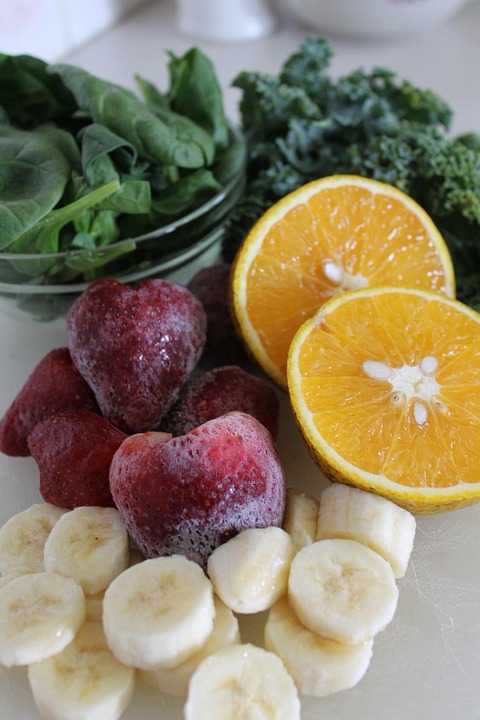
- Fruit: Fresh fruits can satisfy your sweet tooth naturally.
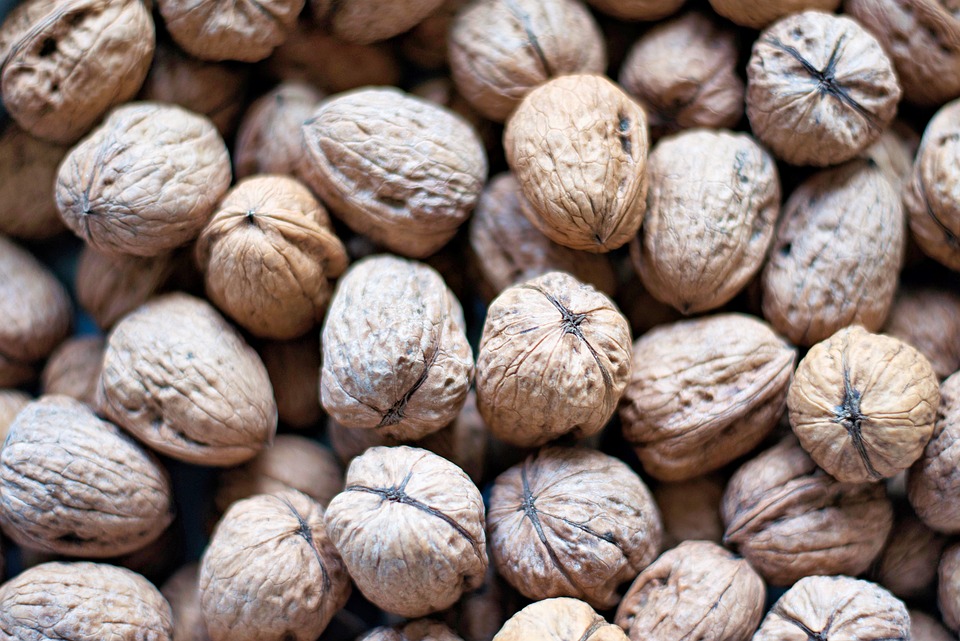
- Nuts: A handful of nuts can provide healthy fats and keep you satiated.
- Popcorn: Air-popped popcorn can be a low-calorie snack option for those looking to munch.
Conclusion: Taking Control of Your Cravings
Understanding the intricate relationship between stress and food cravings is empowering. While stress is unavoidable, how you react to it can greatly impact your health and well-being. By recognizing the triggers behind your cravings and employing mindfulness and nutritional strategies, you can regain control over your eating habits.
So the next time stress strikes, take a moment to pause and reflect on how it affects your cravings. By adopting healthier coping mechanisms, you can not only manage your stress better but also pave the way for a healthier, happier you.
Taking action today can lead to better choices tomorrow. Remember to be kind to yourself throughout this journey—after all, everyone experiences stress. You aren’t alone, and with the right strategies, you can emerge from stress stronger and more in tune with your body and its needs.