
Navigating grocery shopping as someone managing diabetes can feel overwhelming at times. With countless food options and marketing tactics that can mislead even the most diligent shopper, it’s essential to have a well-planned grocery list. In this article, we’ll discuss tips and tricks to curate the perfect diabetic-friendly grocery list, making your shopping trip both efficient and informative.
Understanding Diabetes and Nutrition
Before diving into the grocery list itself, it’s crucial to understand how certain foods affect blood sugar levels. Diabetes management often involves:
- Monitoring carbohydrate intake: Carbs have the most significant impact on blood sugar.
- Incorporating fiber-rich foods: Fiber helps slow down sugar absorption.
- Choosing healthy fats and proteins: These can stabilize blood sugar and keep you full longer.
Key Nutritional Considerations for Diabetics
When shopping for groceries, consider the following nutritional elements:
- Glycemic Index (GI): Foods with a low GI are digested more slowly, causing a gradual rise in blood sugar.
- Carbohydrate Counting: Be aware of serving sizes and total carb content.
- Portion Control: Pay attention to portion sizes to avoid overeating.
- Added Sugars: Minimize products with high levels of added sugars.
Essential Items for Your Diabetic-Friendly Grocery List
Creating a balanced and satisfying grocery list requires a focus on nutrient-dense foods. Below is a breakdown of essential items to include in your diabetic-friendly grocery list.
Fresh Produce: Fruits and Vegetables
When selecting fruits and vegetables, aim for a variety to maximize nutrients:
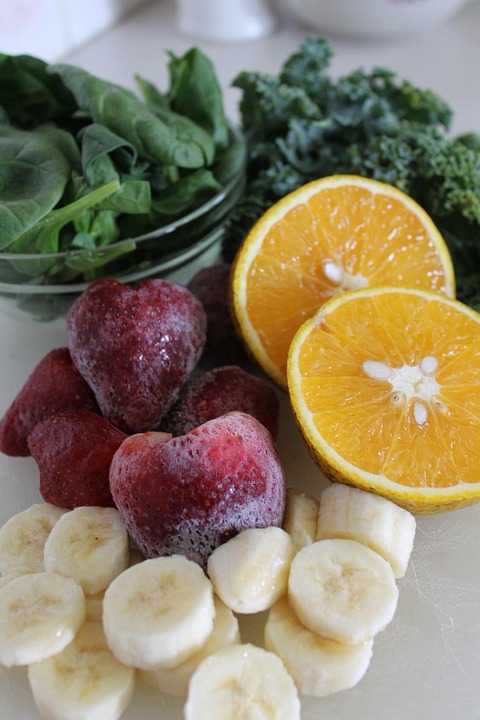
- Non-Starchy Vegetables: Spinach, broccoli, cauliflower, carrots, and peppers should take center stage. These options are low in carbs but high in fiber and micronutrients.
- Low-Glycemic Fruits: Berries (strawberries, blueberries), apples, and pears are great options. Limit fruit smoothies that may spike blood sugar levels due to high sugar content.
Whole Grains
Whole grains provide essential nutrients and can help maintain stable blood sugar levels. Include:
- Brown Rice: A nutritious alternative to white rice with more fiber.
- Quinoa: High in protein and fiber, perfect for a healthier grain option.
- Oats: Opt for steel-cut or rolled oats, avoiding instant varieties that often contain added sugars.
Protein Sources
Incorporating lean proteins into your diet is essential for managing hunger and blood sugar levels:
- Fish: Salmon, mackerel, and trout are excellent sources of omega-3 fatty acids.
- Chicken or Turkey: Opt for skinless cuts to reduce saturated fat intake.
- Legumes: Beans, lentils, and chickpeas provide protein and fiber.
Healthy Fats
Healthy fats can promote heart health, especially important for those with diabetes:
- Olive Oil: Great for cooking or as a salad dressing, it provides heart-healthy monounsaturated fats.
- Avocados: Rich in healthy fats and fiber, avocados can help maintain satiety.
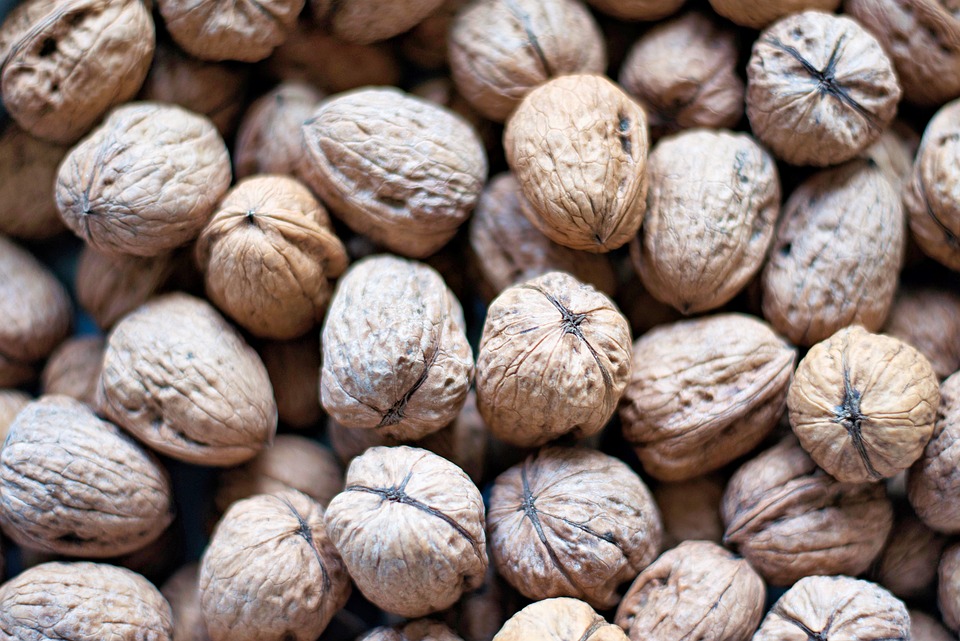
- Nuts and Seeds: Almonds, walnuts, chia seeds, and flaxseeds are all excellent choices but be mindful of portion sizes.
Dairy and Alternatives
Dairy products can be a great source of protein and calcium, but choose wisely:
- Low-Fat or Non-Fat Dairy: Such as yogurt or milk, helps limit saturated fat intake.
- Plant-Based Alternatives: Unsweetened almond milk, soy milk, or coconut yogurt are great options with fewer carbs and no added sugars.
Snacks and Convenience Items
Having smart snacks on hand can prevent blood sugar dips and unhealthy choices:
- Vegetable Sticks: Carrots and celery pairs well with hummus for a satisfying snack.
- Greek Yogurt: Opt for plain, unsweetened yogurt topped with a few berries.
- Popcorn: Air-popped popcorn is a low-calorie snack option that’s also high in fiber.
Sweeteners and Seasoning
Avoid sugary sodas and snacks by opting for healthier alternatives:
- Natural Sweeteners: Stevia or erythritol can be excellent substitutes for sugar.
- Herbs and Spices: Fresh herbs like basil and seasoning options like garlic or ginger enhance flavor without added sugar.
Tips for Smart Grocery Shopping
Plan Ahead
- Meal Planning: Before you head to the store, prepare a meal plan for the week. This helps avoid impulse purchases.
- Shop with a List: Stick to your grocery list to reduce the risk of adding unhealthy options.
Read Labels
- Nutrition Facts: Always check the carbohydrate count, fiber content, and ingredient list to ensure you’re making the best choices.
- Beware of “Low-Fat” Labels: Many low-fat products contain added sugars to compensate for flavor, so read carefully.
Shop the Perimeter
- Most grocery stores have fresh produce, proteins, and dairy along the perimeter. Spend more time in these sections and limit visits to the inner aisles.
Conclusion
Curating a perfect diabetic-friendly grocery list doesn’t have to be a daunting task. By focusing on fresh produce, whole grains, lean proteins, healthy fats, and smart snacks, you can make choices that empower your health journey. Always remember to plan ahead, read labels, and stay informed about the nutritional value of foods. With these tips and tricks, you can shop smart, eat well, and manage your diabetes effectively.
By investing time in preparation, you’re not just shopping; you’re investing in your health. Happy shopping!