
Have you ever noticed how your mood shifts after eating certain foods? Maybe that chocolate cake lifts your spirits momentarily, while a greasy burger leaves you feeling sluggish. If you’ve pondered over the relationship between food and mood, you’re not alone. In this article, we’ll explore the fascinating connection between what we eat and how we feel, shedding light on the surprising truth behind food and mood.
Understanding the Mind-Gut Connection
The gut-brain axis is a complex communication network linking your gut and brain. Research has shown that the foods you consume can significantly affect your mood, mental health, and even your overall well-being. Let’s dive deeper into this intriguing relationship.
What is the Gut-Brain Axis?
The gut-brain axis refers to the bidirectional communication between the gastrointestinal system and the central nervous system. This connection plays a critical role in regulating emotions and mood. The gut houses trillions of bacteria, commonly known as the gut microbiome, which influences everything from digestion to mental health.
- Neurotransmitter Production: About 90% of serotonin, a key mood-regulating neurotransmitter, is produced in the gut. What you eat directly influences serotonin levels.
- Inflammation: Certain foods can trigger inflammation in the body, impacting mental health negatively. An inflamed gut can lead to increased anxiety and depression.
Foods That Can Boost Your Mood
Some foods can enhance your mood, promote mental clarity, and reduce stress levels. Here’s a list of mood-boosting foods:
1. Fatty Fish
- Omega-3 Fatty Acids: Found in salmon, mackerel, and sardines, these healthy fats are vital for brain health and are linked to lower rates of depression.
2. Dark Chocolate
- Endorphin Release: Eating dark chocolate can stimulate the production of endorphins, the body’s natural “feel-good” hormones.
3. Whole Grains
- Complex Carbohydrates: Foods like oats, quinoa, and brown rice stabilize blood sugar levels, helping to combat mood swings.
4. Leafy Greens
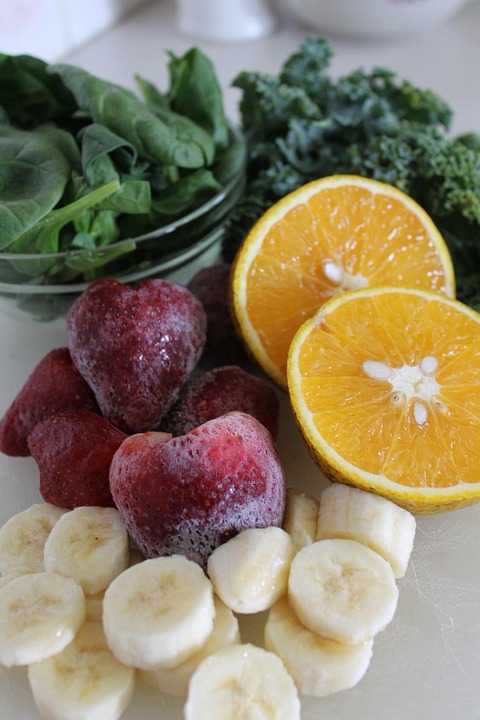
- Vitamins and Minerals: Spinach and kale are packed with folate, a B vitamin linked to lower rates of depression.
5. Fruits and Vegetables
- Antioxidants: Berries, avocados, and sweet potatoes are high in antioxidants, which combat oxidative stress and boost mood.
6. Fermented Foods
- Probiotics: Yogurt, kimchi, and sauerkraut promote gut health, which is linked to improved mental health.
7. Nuts and Seeds
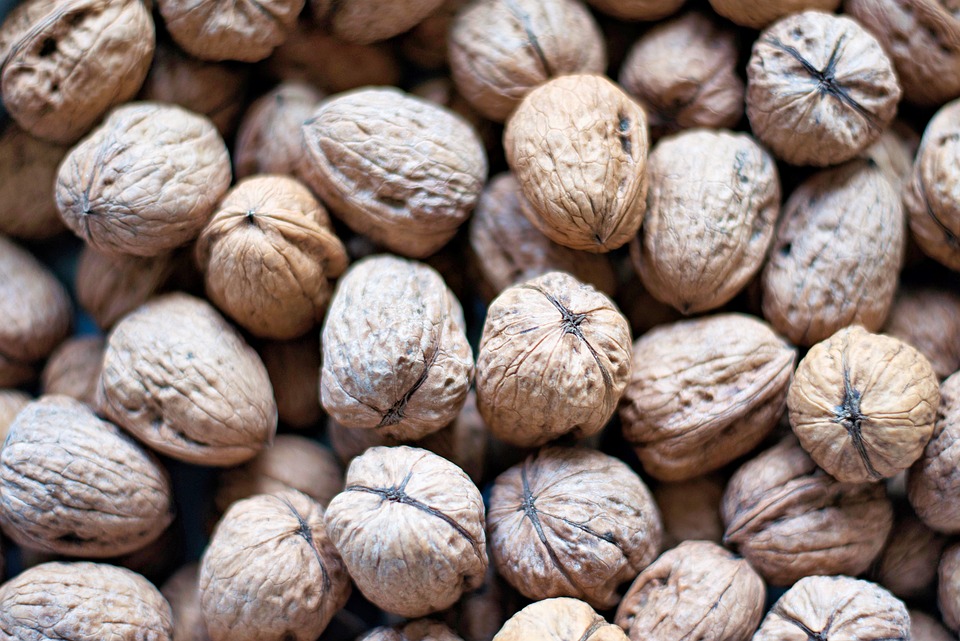
- Healthy Fats: Walnuts, flaxseeds, and chia seeds are excellent sources of omega-3s and nutrients that support brain function.
Foods That Can Dampen Your Mood
Just as some foods can uplift your spirits, others might bring you down. Here’s what to watch out for:
1. Sugary Foods
- Blood Sugar Spike and Crash: High sugar intake can lead to mood swings and increased anxiety after the initial energy boost wears off.
2. Processed Foods
- High in Trans Fats: Fast food and packaged snacks often contain unhealthy fats, which can worsen anxiety and depression.
3. Caffeine
- Anxiety Trigger: While moderate caffeine can enhance focus, excessive intake can lead to heightened anxiety levels.
4. Alcohol
- Depressant Properties: Alcohol may initially make you feel relaxed, but it can lead to increased feelings of sadness over time.
The Role of Meal Timing and Balance
Meal Timing
It’s not just about what you eat; when you eat matters too. Skipping meals or going long periods without food can lead to irritability and mood swings. Regular meal times help maintain steady blood sugar levels, which can stabilize your mood.
Achieving Dietary Balance
Aim for a well-rounded diet rich in nutrients. A balanced plate includes:
- Lean proteins
- Whole grains
- Healthy fats
- Colorful fruits and veggies
This variety not only supports physical health but also plays a significant role in maintaining a positive mood.
Practical Tips for Improving Mood Through Diet
If you want to leverage the power of food to boost your mood, consider these practical strategies:
1. Keep a Food Diary
- Track Your Mood: Keeping a record of what you eat and how it affects your mood can help identify patterns and adjust your diet accordingly.
2. Plan Your Meals
- Preparation is Key: Preparing healthy meals in advance ensures that you have nutritious options available when hunger strikes.
3. Stay Hydrated
- Water and Mood: Dehydration can lead to fatigue and irritability. Drink plenty of water throughout the day.
4. Limit Processed Foods
- Read Labels: Be mindful of ingredients in packaged foods. Opt for whole, unprocessed options whenever possible.
Conclusion
The connection between food and mood is not just a fleeting observation; it’s backed by science and presents opportunities for improving mental health through diet. By incorporating mood-boosting foods and making conscious dietary choices, you can enhance your emotional well-being. Start making small changes today, and see how what you eat can genuinely affect how you feel.
In conclusion, the choices you make at the dining table can resonate far beyond your physical health. They can shape your mood, influence your mental well-being, and enhance your overall quality of life. So next time you sit down for a meal, ask yourself, “What can I eat to lift my spirits?” The answer might just be on your plate.