
Managing blood sugar levels is crucial for overall health, particularly for individuals with diabetes or those at risk. Understanding the dietary choices that support effective blood sugar control can empower you to make better decisions. In this article, we’ll explore the best food options for maintaining stable blood sugar levels, equipping you with practical knowledge to lead a balanced diet.
Understanding Blood Sugar Control
Blood sugar, or blood glucose, is the amount of sugar present in your bloodstream. It’s vital for providing energy, but if levels become too high or too low, serious health issues can arise. The goal of blood sugar control is to maintain levels within a healthy range, which can significantly reduce the risk of complications associated with diabetes and other health conditions.
The Importance of a Balanced Diet
A balanced diet plays an essential role in blood sugar control. It involves consuming a variety of foods that provide essential nutrients without causing significant spikes in insulin levels. The right dietary choices can help regulate blood sugar, promote weight management, and enhance overall well-being.
Best Food Choices for Blood Sugar Control
1. Whole Grains
- Benefits: Whole grains are an excellent source of fiber, which helps regulate blood sugar levels by slowing down absorption.
- Examples:
- Brown rice
- Quinoa
- Oats
- Whole wheat bread
2. Non-Starchy Vegetables
- Benefits: Non-starchy vegetables are low in calories and carbohydrates, making them perfect for blood sugar management.
- Examples:
- Spinach
- Broccoli
- Kale
- Bell peppers
- Tip: Aim for a colorful plate; the more colors, the more nutrients!
3. Lean Proteins
Including lean proteins in your diet can stabilize blood sugar levels by minimizing the effects of carbohydrate-rich foods.
- Benefits: Helps with satiety and reduces hunger spikes.
- Examples:
- Skinless chicken
- Fish (salmon, mackerel)
- Legumes (beans, lentils)
- Greek yogurt
4. Healthy Fats
Fat is an important macronutrient that can help manage diabetes when consumed in moderation.
- Benefits: Healthy fats can improve heart health and reduce inflammation.
- Examples:
- Avocados
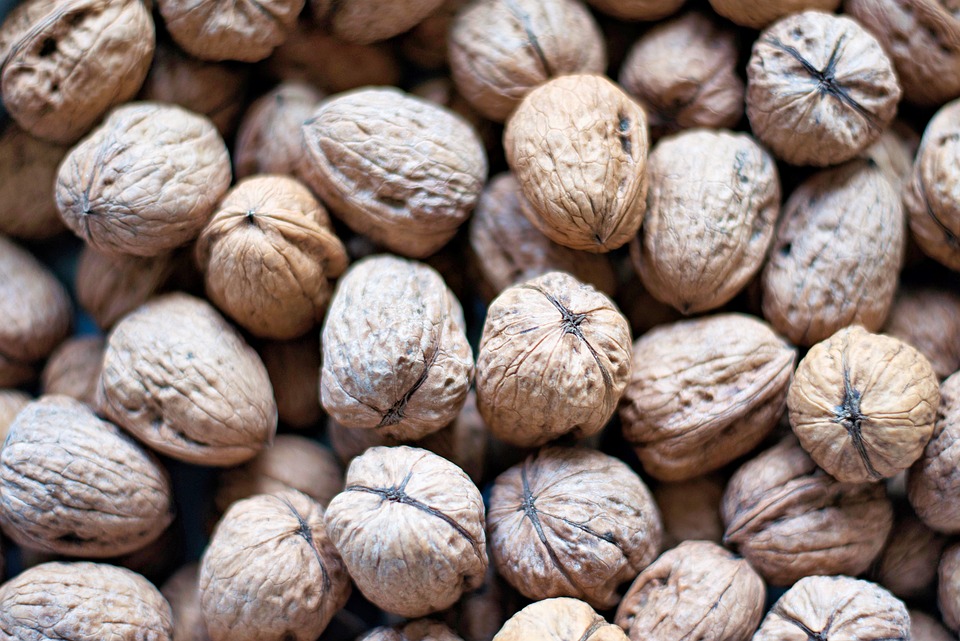
- Nuts (almonds, walnuts)
- Seeds (chia, flaxseeds)
- Olive oil
- Tip: Use these fats in cooking or as snacks for sustained energy.
5. Fruits (in Moderation)
Fruits can be a part of a healthy diet, but it’s essential to choose wisely.
- Benefits: Packed with vitamins, minerals, and antioxidants.
- Best Choices:
- Berries (blueberries, strawberries)
- Apples
- Pears
- Oranges
- Tip: Pair fruits with protein or healthy fats to minimize blood sugar spikes.
Foods to Avoid
While focusing on beneficial foods, it’s also important to identify those that may harm your blood sugar control.
1. Refined Carbohydrates
- Examples: White bread, pastries, and sugary cereals.
- Why to Avoid: These foods can cause rapid spikes in blood sugar due to their high glycemic index.
2. Sugary Beverages
- Examples: Soda, fruit juices, and energy drinks.
- Why to Avoid: These drinks provide empty calories and can lead to cravings and poor blood sugar management.
3. Processed Foods
- Examples: Packaged snacks, frozen meals, and fast food.
- Why to Avoid: Often high in unhealthy fats, sugars, and preservatives.
Tips for Blood Sugar Control
Practice Portion Control
Portion sizes directly impact blood sugar levels. Even healthy foods can lead to spikes if consumed in large quantities. Use smaller plates and bowls to help manage portions.
Stay Hydrated
Drinking plenty of water can help maintain optimal blood sugar levels. Aim for at least eight glasses of water a day, adding herbal teas or infused waters for variety.
Regular Meal Times
Eating at consistent times helps regulate your metabolism and insulin levels, reducing the risk of blood sugar spikes.
Monitor Carbohydrate Intake
Keep a food diary to track your carbohydrate intake and how different foods affect your blood sugar levels.
Conclusion
Blood sugar control is a vital aspect of maintaining overall health. By making informed food choices and prioritizing a balanced diet, you can effectively manage your blood sugar levels. Incorporate whole grains, lean proteins, healthy fats, and non-starchy vegetables into your meals, while being mindful of refined carbohydrates and sugary drinks.
Remember, managing your diet is not just about restriction but also about embracing a lifestyle that promotes wellness and energy. Commit to nourishing your body with the right foods, and you’ll find that blood sugar control is achievable and sustainable.
For anyone looking to enhance their dietary habits, consider consulting a healthcare provider or a registered dietitian for personalized advice tailored to your individual needs.
By making these food choices part of your daily routine, you can take significant steps towards better blood sugar control and improve your overall health.