
Are you looking to manage your blood sugar levels, improve your energy, and support your overall health? Adopting a low glycemic index (GI) eating plan can be a game-changer. This guide will walk you through the fundamentals of low GI eating, its benefits, and a detailed meal plan to kickstart your journey.
What is the Glycemic Index?
The Glycemic Index is a scale that ranks carbohydrate-containing foods based on how they affect blood sugar levels. Foods with a low GI (55 or less) are digested more slowly, leading to a gradual release of glucose into the bloodstream.
Why Choose Low Glycemic Index Foods?
Low GI foods can have several health benefits that make them a smart choice:
- Stabilized Blood Sugar Levels: Helps prevent spikes in blood sugar, reducing the risk of diabetes.
- Improved Energy: Provides sustained energy throughout the day without the crash associated with high GI foods.
- Weight Management: Promotes satiety, reducing overall caloric intake and supporting weight loss efforts.
- Heart Health: May lower bad cholesterol levels and improve heart health.
Foods to Include in a Low Glycemic Index Diet
Incorporating a variety of foods into your low GI diet is essential for balanced nutrition. Here are some categories and examples:
Whole Grains
- Quinoa
- Barley
- Whole grain bread (look for 100% whole grain)
- Brown rice
Fruits and Vegetables
- Leafy greens (spinach, kale)
- Berries (cherries, strawberries, blueberries)
- Apples and pears
- Sweet potatoes
Legumes
- Lentils
- Chickpeas
- Black beans
Protein Sources
- Lean meats (chicken, turkey)
- Fish (salmon, mackerel)
- Eggs
- Tofu
Healthy Fats
- Avocados
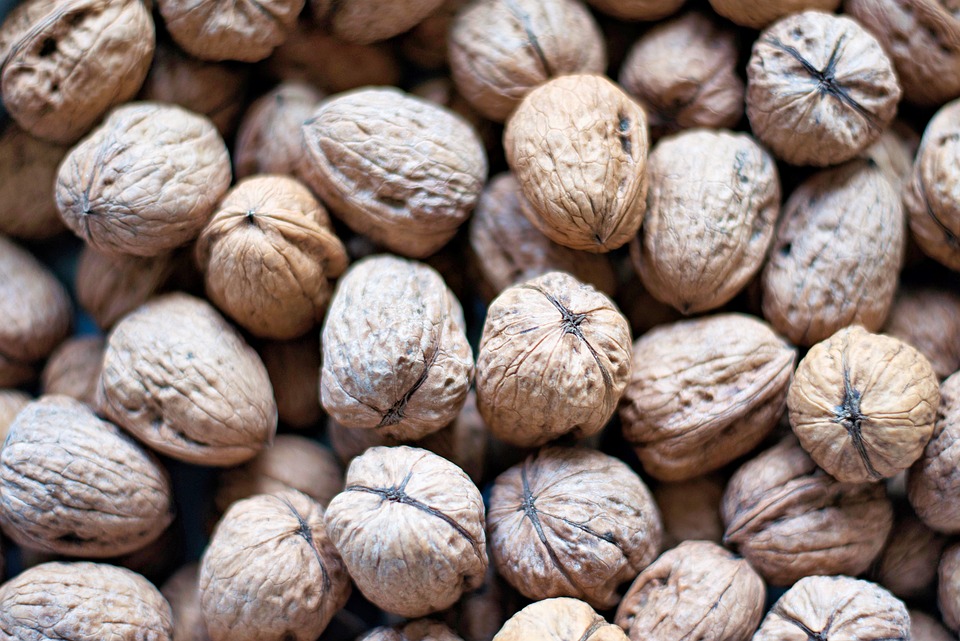
- Nuts (almonds, walnuts)
- Seeds (chia, flaxseed)
- Olive oil
Low GI Snack Ideas
- Greek yogurt with berries
- Hummus with carrots or celery
- A handful of almonds
- Apple slices with peanut butter
Sample Low Glycemic Index Meal Plan
Here’s a simple meal plan to help you get started on your low GI journey. This plan includes breakfast, lunch, dinner, and snacks for one day.
Breakfast
Oatmeal Bowl
- 1/2 cup rolled oats cooked in water or almond milk
- Topped with sliced bananas and a sprinkle of cinnamon
- 1 tablespoon of chia seeds for extra fiber
Morning Snack
Greek Yogurt
- 1 cup of plain Greek yogurt
- Handful of mixed berries (blueberries, strawberries)
Lunch
Quinoa Salad
- 1 cup cooked quinoa
- 1/2 cup cherry tomatoes, halved
- 1/4 cup chopped cucumber
- 1/4 avocado, diced
- Dressing: olive oil, lemon juice, salt, and pepper to taste
Afternoon Snack
Hummus and Veggies
- 1/4 cup hummus
- Carrot sticks and cucumber slices for dipping
Dinner
Grilled Salmon and Vegetables
- 4 oz grilled salmon
- Served with 1 cup steamed broccoli
- 1 small sweet potato, baked
Evening Snack (if needed)
Almonds
- A handful (about 1 oz) of raw or roasted almonds
Tips for Transitioning to a Low Glycemic Index Diet
Transitioning to a new way of eating can be challenging. Here are some tips to make the shift smoother:
- Educate Yourself: Familiarize yourself with the glycemic index chart.
- Plan Ahead: Meal prep to avoid high-GI food temptations.
- Experiment: Try new recipes that focus on low GI foods to keep meals exciting.
- Listen to Your Body: Monitor how your body reacts to different foods and adjust accordingly.
- Stay Hydrated: Don’t forget to drink plenty of water throughout the day.
Common Misconceptions about Low Glycemic Index Eating
1. All Fruits are High in Sugar
Many people believe that all fruits increase blood sugar. While some have higher glycemic indices, most fruits are healthy choices when eaten in moderation.
2. Low GI Equals Low Carb
Not all low-GI diets are low-carb. Whole grains and legumes, which are rich in fiber and essential nutrients, can still fit into a low GI plan.
Conclusion
Adopting a low glycemic index eating pattern can greatly improve your health, energy levels, and well-being. With this beginner’s guide and meal plan, you are well-equipped to make informed food choices. Remember, every small change matters, so take it one step at a time.
By focusing on whole, nutrient-dense foods and maintaining a balanced diet, you’ll be on your way to living a healthier, more vibrant life. Happy eating!
Additional Resources
For further learning, check out these resources on low GI eating:
- Glycemic Index Database: A comprehensive list of foods and their glycemic index values.
- Cooking Tutorials: Learn how to prepare low GI meals with ease.
With persistence and dedication, you’ll enjoy all the benefits that a low glycemic index diet has to offer. Make the leap today!