
In today’s fast-paced world, emotional well-being is more important than ever. Did you know that what you eat can significantly impact your mood? That’s right! Certain foods can help boost your mental health, reduce anxiety, and promote a sense of well-being. In this article, we will explore the science behind food and mood, introduce you to mood-boosting foods, and provide tips on how to incorporate them into your diet. Let’s dive in!
The Connection Between Food and Mood
How Nutrition Affects Mental Health
The foods we consume have a profound effect on our brain chemistry. Nutrients from what we eat can impact neurotransmitters, which play a vital role in regulating our mood. For instance, low levels of certain vitamins and minerals can lead to feelings of anxiety and depression.
-
Serotonin: Often dubbed the “feel-good” hormone, serotonin regulates mood, sleep, and appetite. Its levels are heavily influenced by diet.
-
Dopamine: This neurotransmitter is linked to pleasure and reward. A balanced diet rich in amino acids can enhance dopamine production, leading to improved mood.
The Role of Inflammation
Chronic inflammation has been linked to mood disorders. Certain foods can help reduce inflammation in the body, enhancing overall emotional health. Eating anti-inflammatory foods can be a game-changer for your mental clarity and emotional stability.
Top Foods to Enhance Your Mood
Incorporating specific foods into your diet can work wonders for your emotional health. Here are some of the top mood-enhancing foods:
1. Fatty Fish
Rich in omega-3 fatty acids, fatty fish like salmon, mackerel, and sardines are excellent for brain health. Omega-3s are known to fight inflammation and promote the production of serotonin.
- Tip: Aim for at least two servings of fatty fish per week.
2. Dark Chocolate
Not only is dark chocolate delicious, but it’s also packed with antioxidants and compounds that enhance mood. The flavonoids in dark chocolate can improve blood flow to the brain and may boost cognitive function.
- Tip: Opt for dark chocolate with at least 70% cocoa content for maximum benefits.
3. Berries
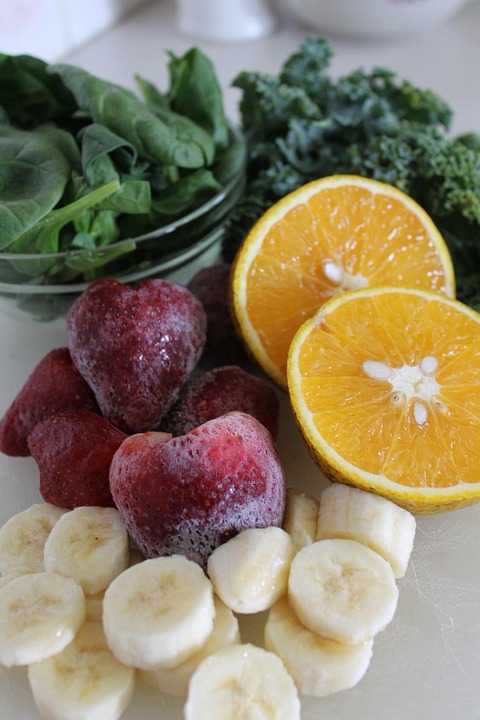
Berries, especially blueberries, are loaded with antioxidants that can combat oxidative stress and inflammation. They also contain vitamin C, which can reduce anxiety and improve mood.
- Tips for Incorporation: Add berries to your morning oatmeal, smoothies, or salads for a nutritious boost.
4. Nuts and Seeds
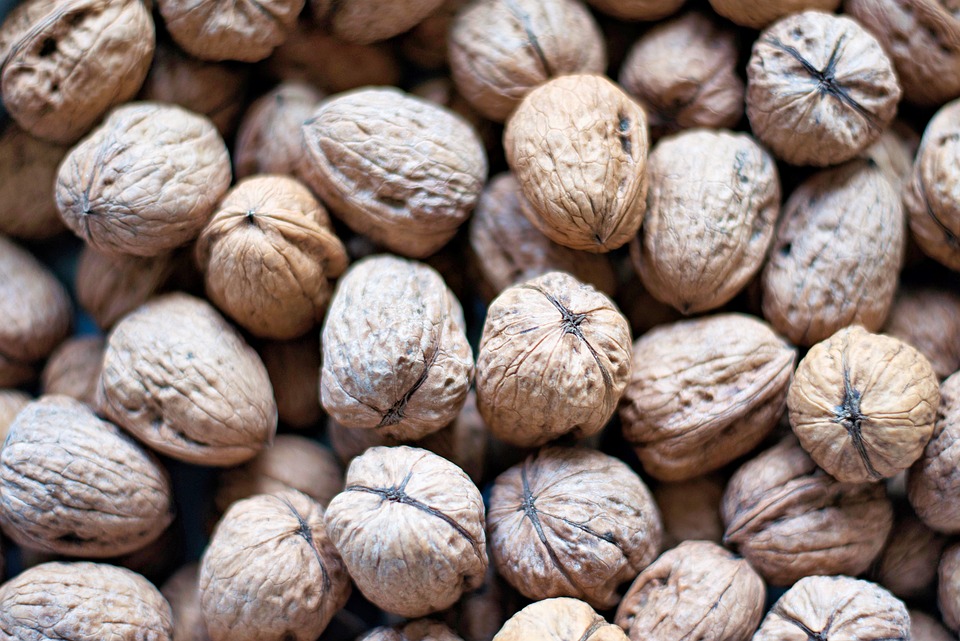
Nuts and seeds are excellent sources of healthy fats, protein, and essential minerals such as magnesium. Magnesium is particularly known for its calming effects and can help combat feelings of anxiety.
- Best Choices: Almonds, walnuts, chia seeds, and flaxseeds are all fantastic options.
5. Leafy Greens
Greens like spinach, kale, and Swiss chard are rich in folate, a B-vitamin that plays a role in serotonin production. Low levels of folate have been linked to increased feelings of depression.
- Easy Ways to Include: Make a green smoothie or add spinach to your pasta dishes and salads.
6. Whole Grains
Whole grains like quinoa, brown rice, and oats provide complex carbohydrates that help stabilize blood sugar levels. Stable blood sugar is essential for mood regulation.
- Recommendation: Swap white rice and bread for whole grain options to reap maximum benefits.
7. Fermented Foods
Fermented foods such as yogurt, kefir, and sauerkraut are beneficial for gut health and can improve mood. The gut-brain connection means that a healthy gut can contribute to a happier mindset.
- Fun Fact: Probiotics in fermented foods can help reduce anxiety symptoms.
How to Build a Mood-Boosting Meal Plan
Start with Breakfast
Kickstart your day with a balanced breakfast rich in protein and healthy fats. Consider a smoothie with spinach, berries, and a scoop of nut butter, or oatmeal topped with walnuts and sliced bananas.
Snack Smart
Choose snacks that nourish your body, such as Greek yogurt with honey and almonds or apple slices with nut butter. Avoid sugary snacks that can lead to mood swings.
Lunch and Dinner
Focus on incorporating fatty fish or lean protein in your meals, complemented by colorful vegetables and whole grains. A quinoa salad topped with grilled salmon and a variety of veggies is both filling and mood-enhancing.
Stay Hydrated
Don’t forget the importance of hydration. Dehydration can lead to fatigue and irritability. Aim to drink at least eight glasses of water a day, and consider herbal teas for added benefits.
Mindfulness and Eating
Practice Mindful Eating
Mindful eating involves paying attention to what you eat and savoring each bite. It’s not just about choosing the right foods, but also about enjoying the process. This habit can enhance your relationship with food and improve your emotional health.
Listen to Your Body
Pay attention to how different foods affect your mood and energy levels. Everyone’s body reacts differently, so being in tune with your own needs can help you make better dietary choices.
Conclusion
Nourishing your emotions starts with the food you put on your plate. By selecting mood-enhancing foods like fatty fish, dark chocolate, berries, and leafy greens, you can uplift your mental health and promote a more positive outlook. Remember, it’s not just about the food; practicing mindful eating and being aware of how your body responds can make a significant difference.
Start incorporating these foods into your diet today and take a step toward a happier, healthier you. Your body and mind will thank you!