In today’s fast-paced world, more people are turning to healthier eating habits to maintain their well-being. One essential aspect of a healthy diet is understanding glycemic index (GI)—a measure of how quickly carbohydrate-containing food raises blood glucose levels. This blog will delve into low glycemic ingredients, providing tips and tricks for home cooks to incorporate them into their everyday meals. Let’s explore the benefits of low glycemic ingredients and how they can enhance your cooking experience.
What is the Glycemic Index?
The glycemic index ranks foods on a scale from 0 to 100 based on how quickly they elevate blood sugar levels. Foods with a low glycemic index (GI of 55 or less) release glucose slowly and steadily, making them ideal for maintaining stable energy levels.
Benefits of Low Glycemic Foods
- Steady Energy Levels: Low GI foods provide prolonged energy without the spikes and crashes associated with high GI foods.
- Weight Management: Eating low GI foods can promote satiety, helping to control hunger and reduce overeating.
- Reduced Risk of Chronic Diseases: A diet rich in low GI foods may lower the risk of type 2 diabetes, heart disease, and other health issues.
Identifying Low Glycemic Ingredients
When stocking your pantry, look for the following low glycemic ingredients:
Whole Grains
- Quinoa: Packed with protein and fiber, quinoa is a versatile grain that can replace rice or pasta.
- Barley: This chewy grain is great for soups and salads and has a GI of 28.
- Brown Rice: A healthier alternative to white rice, brown rice has a GI of around 55.
Legumes
- Lentils: These tiny powerhouses are rich in protein and have a GI of 21.
- Chickpeas: Perfect for salads, hummus, or stews, chickpeas boast a GI of 33.
- Black Beans: Low in fat, black beans have a GI of approximately 30.
Vegetables
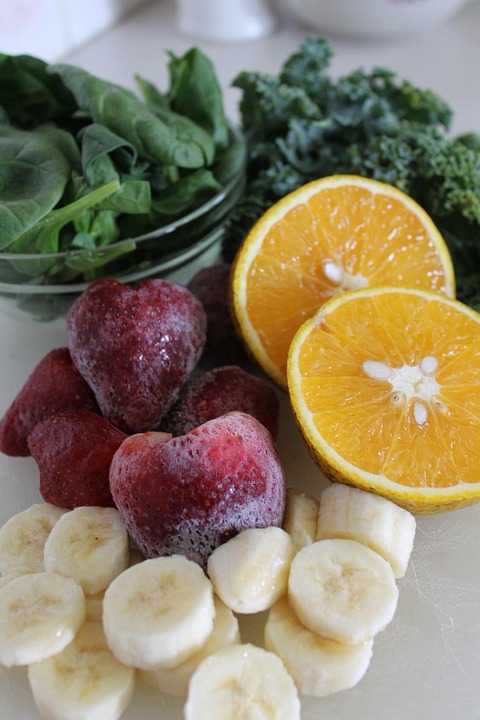
- Leafy Greens: Spinach, kale, and Swiss chard are not only low in calories but also have a negligible glycemic index.
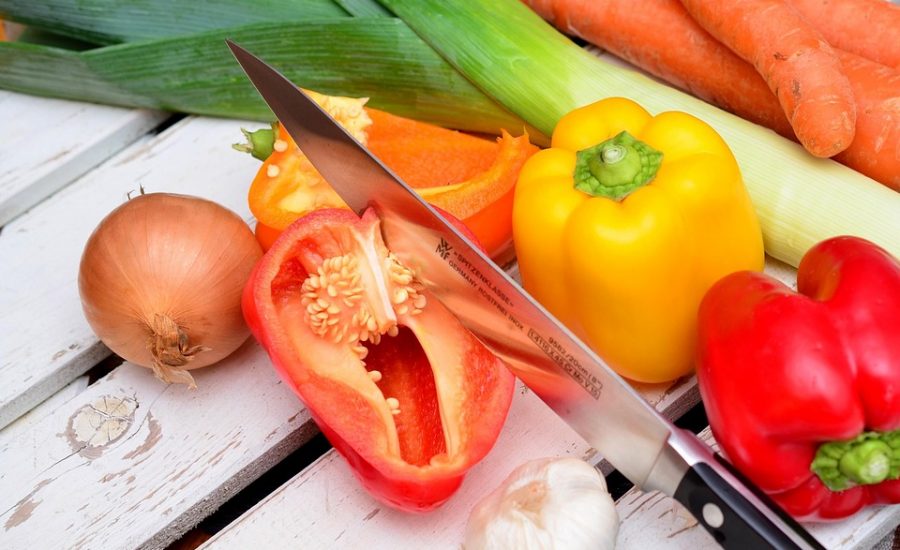
- Cruciferous Vegetables: Broccoli, cauliflower, and Brussels sprouts are fiber-rich and low in GI.
- Tomatoes: These juicy fruits (yes, they are technically fruits!) have a low GI of 15.
Fruits
- Berries: Blueberries, strawberries, and raspberries are low in sugar and high in antioxidants.
- Citrus Fruits: Oranges, grapefruits, and lemons are refreshing and low in GI.
- Apples & Pears: These fruits are high in fiber and moderate in GI, around 30-40.
Tips for Cooking with Low Glycemic Ingredients
Incorporating low glycemic ingredients into your cooking can be a delightful experience. Here are some practical tips to get started:
Bulk Cooking
Prepare large batches of low GI grains or legumes and store them in the fridge or freezer. This practice not only saves time but also allows you to create quick meals during busy weekdays.
Salad Bases
Use leafy greens as the base for your salads, then top them with low GI ingredients like chickpeas, quinoa, and a variety of colorful vegetables. This mix creates a filling and nutritious meal.
Healthy Snacks
Snacking can be healthy! Opt for raw veggies, nuts, or low-GI fruits. Pairing them with hummus or nut butter can provide additional protein and healthy fats.
Flavor with Herbs and Spices
Enhance the taste of your dishes using fresh herbs and spices instead of added sugars and sodium. This can make your low GI meals more exciting.
Incorporating Low Glycemic Ingredients into Popular Dishes
Here are a few ideas for transforming classic meals into low glycemic delights:
Breakfast
- Overnight Oats: Use rolled oats, chia seeds, and almond milk topped with berries for a filling, low GI breakfast.
Soups and Stews
- Vegetable-Lentil Soup: Combine lentils, carrots, celery, and spices for a hearty, nutritious soup.
Main Courses
- Quinoa Salad: Mix cooked quinoa, black beans, diced tomatoes, and avocado for a refreshing lunch option.
Desserts
- Chia Seed Pudding: Use almond milk and top with fresh fruit for a healthy dessert that satisfies your sweet tooth.
Common Myths About Low Glycemic Foods
Myth 1: Low GI Foods are Flavorless
Many people think healthy eating means sacrificing taste. On the contrary, low glycemic foods can be incredibly flavorful when prepared with the right ingredients and spices.
Myth 2: All Whole Grains are Low GI
Though many whole grains have lower GI scores, not all of them do. Always check the glycemic index before assuming a grain is low GI.
Myth 3: Low GI Foods Don’t Fit in a Balanced Diet
Low glycemic foods can complement high GI foods when eaten in moderation. The key is balance and mindful eating.
Conclusion
Understanding low glycemic ingredients opens up a world of culinary possibilities, allowing you to create delicious and nutritious meals that benefit your health. By incorporating whole grains, legumes, vegetables, and low GI fruits into your diet, you can enjoy steady energy levels and better overall well-being.
As a home cook, experimenting with these ingredients can lead to healthier eating patterns and delightful meal experiences. So, grab your apron, stock your pantry with low GI options, and embark on your low glycemic cooking journey today!
Whether you’re looking to manage your weight, maintain your energy levels, or simply eat healthier, incorporating low glycemic ingredients is a step in the right direction, making your kitchen a haven for health-conscious cooking. Happy cooking!