
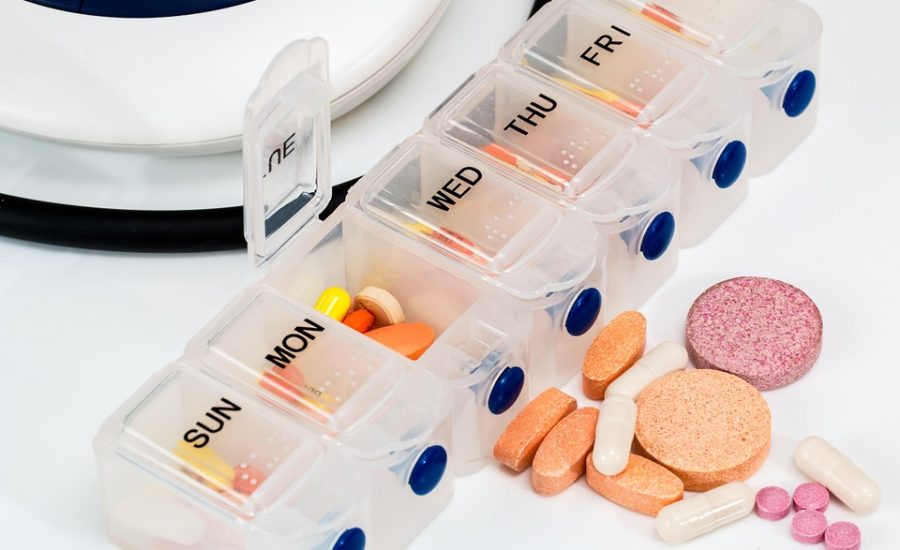
If you’ve recently been prescribed Semaglutide or are considering it as an option for weight management or type 2 diabetes, you’re in the right place. This guide will help you understand the medication, its dosage recommendations, and provide tips for new patients. Let’s explore the essentials of Semaglutide, turning complex medical information into accessible advice that can enhance your experience.
What is Semaglutide?
Semaglutide is a GLP-1 receptor agonist that helps regulate blood sugar levels and reduce appetite. Originally developed to treat type 2 diabetes, it has gained recognition for promoting weight loss. The drug mimics the effects of the hormone GLP-1, which helps your body manage insulin secretion, slows down gastric emptying, and curbs hunger signals.
Why Choose Semaglutide?
- Effective Weight Loss: Clinical trials show significant weight loss among both diabetic and non-diabetic patients.
- Blood Sugar Control: Helps manage glucose levels, reducing the risk of complications related to diabetes.
- Convenience: Administered via a once-weekly injection, making it easier to integrate into your routine.
Starting with Semaglutide: Initial Dosage
Before you start Semaglutide, it’s essential to consult your healthcare provider to discuss whether this medication is right for you. Your provider will assess your medical history, current medications, and weight-loss goals.
Typical Dosage Guidelines
-
Starting Dose: The typical starting dose for Semaglutide is 0.25 mg injected subcutaneously once a week. This dose allows your body to adjust and helps minimize side effects.
-
Titration: After four weeks, the dosage is usually increased to 0.5 mg based on your healthcare provider’s recommendation. If additional weight loss is needed and side effects are manageable, your doctor may increase the dose to 1 mg or 2.4 mg in subsequent weeks.
Administration Tips
- Injection Sites: Commonly injected into the thigh, abdomen, or upper arm. Rotate injection sites to minimize discomfort.
- Preparation: Make sure to follow the preparation instructions carefully. Check the expiration date and ensure that the solution is clear and colorless.
- Injection Guidance:
- Clean the area with an alcohol swab.
- Pinch the skin and insert the needle at a 90-degree angle.
- Inject slowly and remove the needle after injection.
Sample Dosage Schedule
| Week | Semaglutide Dosage |
|---|---|
| 1 | 0.25 mg weekly |
| 2-4 | 0.5 mg weekly |
| 5-8 | 1 mg weekly |
| 9+ | Up to 2.4 mg weekly |
Managing Side Effects
Like any medication, Semaglutide may come with side effects. Understanding these can help you manage them effectively.
Common Side Effects
- Nausea: This is the most frequently reported side effect, especially after starting treatment.
- Diarrhea or Constipation: Digestive changes are common.
- Stomach Pain: Discomfort may occur as your body adjusts.
Tips for Managing Side Effects
- Start Slow: Stick to the recommended starting dose and increase it gradually as recommended by your healthcare provider.
- Stay Hydrated: Drinking plenty of water can help alleviate nausea and digestive issues.
- Eat Carefully: Opt for smaller, more frequent meals that are low in fat. Foods that are bland may help if you’re feeling nauseated.
- Consult Your Doctor: If side effects persist or worsen, make sure to contact your healthcare provider for advice.
Lifestyle Considerations for New Patients
Integrating Semaglutide into your life also means adopting healthy habits that will maximize the benefits of the medication.
Healthy Eating Habits
- Balanced Diet: Focus on a diet rich in fruits, vegetables, whole grains, and lean proteins.
- Portion Control: Be aware of your portion sizes to help manage calorie intake effectively.
- Limit Processed Foods: These often contain hidden sugars and unhealthy fats that can counteract your weight-loss efforts.
Regular Physical Activity
- Exercise Regularly: Aim for at least 150 minutes of moderate aerobic exercise weekly.
- Include Strength Training: Building muscle can help enhance metabolism and promote weight loss.
Tracking Progress
- Monitor Your Weight: Keep track of your weight weekly to understand how Semaglutide is affecting you.
- Keep a Food Diary: Logging your meals can help you become more aware of your eating habits and identify areas for improvement.
Conclusion: Your Journey with Semaglutide
Starting Semaglutide can be a transformative step towards achieving your health goals, whether that involves weight loss or better blood sugar management. By following the dosage recommendations closely and integrating healthy lifestyle changes, you can optimize the benefits of this medication.
If you have any questions or concerns during your treatment, always consult your healthcare provider. They can provide personalized advice and support to make your journey smoother. Remember, every step counts towards achieving your health objectives!
Additional Resources
By prioritizing your health and well-being, you’re making a choice for a brighter future! With the right support and information, starting Semaglutide can lead to lasting positive changes in your life.