
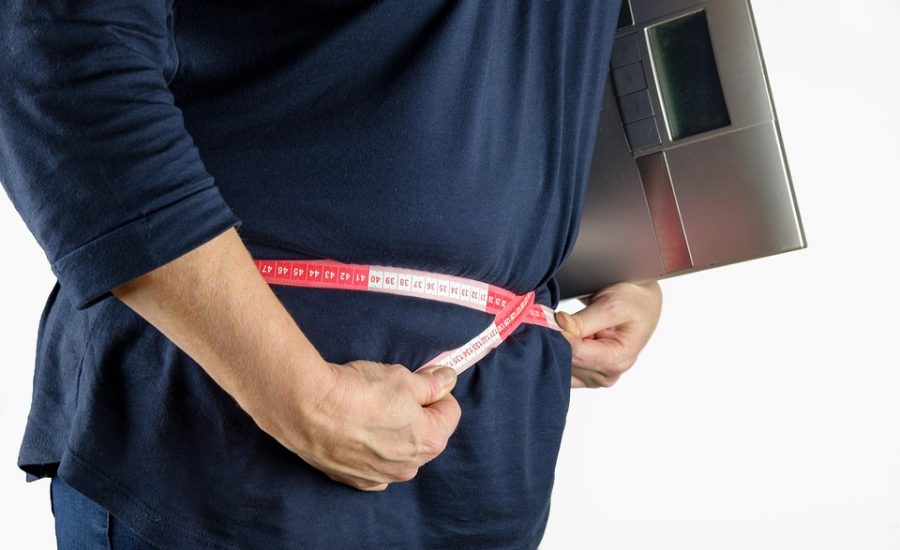
When embarking on a weight loss journey, many of us tend to focus solely on the number displayed on the scale. However, this singular approach can be misleading. While the scale provides a measure of gravity’s pull on our bodies, it doesn’t account for crucial factors like muscle mass and body composition. This is where measuring body fat comes into play. In this article, we’ll explore the benefits of monitoring body fat for effective weight loss, offering a comprehensive guide to understanding and utilizing this important metric.
What is Body Fat?
Body fat is a vital component of our overall health. It serves several crucial functions, including:
- Energy Storage: Fat acts as a reserve of energy that the body can utilize when needed.
- Insulation: It helps regulate body temperature, providing warmth.
- Protection: Body fat provides cushioning for vital organs.
While some body fat is essential, excess fat—especially visceral fat—can be detrimental to our health. Understanding how body fat integrates into our overall weight loss efforts can lead to better outcomes.
Why Measuring Body Fat Matters
1. Comprehensive Understanding of Body Composition
When we step on the scale, we see our total weight, but this number doesn’t tell us how much of that weight comes from fat, muscle, bone, or water. Measuring body fat gives a more detailed insight into our body composition.
Benefits include:
- Muscle vs. Fat Analysis: Helps differentiate between muscle gain and fat loss.
- Track Progress Accurately: Provides a clearer picture of actual weight loss versus muscle retention.
2. Motivation to Stay on Track
Seeing progress on the scale can be motivating, but it can also be disheartening if the weight doesn’t budge after a few weeks. Measuring body fat can often lead to more positives and encourage you to stay on course.
How it helps:
- Celebrating Non-Scale Victories: Lower body fat percentages can signify a healthier body, regardless of scale weight.
- Setting Realistic Goals: Allows you to set measurable, tangible goals by focusing on body fat percentages rather than just weight.
3. Insight into Health Risks
Understanding your body fat percentage can also highlight underlying health risks. A higher body fat percentage is often associated with:
- Heart Disease: Increased fat can contribute to high blood pressure and cholesterol levels.
- Type 2 Diabetes: Excess body fat, especially visceral fat, can lead to insulin resistance.
- Joint Issues: Carrying more weight puts additional strain on joints.
By focusing on lowering body fat, you can improve your overall health and reduce these risks.
Ways to Measure Body Fat
There are several methods to measure body fat, each with its pros and cons:
1. Skinfold Measurements
Using calipers, trained professionals can measure the thickness of skinfolds at various body points. This is a cost-effective and straightforward method.
Pros:
- Inexpensive
- Portable
- Can be done at home with practice
Cons:
- Requires some skill for accuracy
- Can be influenced by hydration levels
2. Bioelectrical Impedance Analysis (BIA)
BIA devices send a small electrical current through the body to estimate body fat percentage based on resistance.
Pros:
- Quick and non-invasive
- Can be done at gyms or with home devices
Cons:
- Accuracy can vary depending on hydration and meal timing
- Calibration can be inconsistent
3. Dual-Energy X-ray Absorptiometry (DEXA)
This method uses X-rays to assess body fat, muscle, and bone density. It is one of the most accurate methods available.
Pros:
- Highly accurate
- Provides detailed body composition analysis
Cons:
- More expensive
- Requires specialized equipment and professionals
4. Hydrostatic Weighing
Also known as underwater weighing, this method compares body weight in water versus out of water.
Pros:
- Accurate when performed correctly
- Provides detailed estimates of body fat and lean mass
Cons:
- Not easily accessible
- Requires specialized facilities
Setting Realistic Body Fat Goals
Creating a Target Range
Engage with a healthcare provider or fitness coach to create a healthy body fat percentage range based on your age, sex, and activity level. Generally, the following ranges are considered healthy:
- Men: 10-20% body fat
- Women: 20-30% body fat
Evaluating Progress
Maintain a consistent measurement schedule—monthly or every few months—to track changes. Use this data to adapt your diet and exercise plan as needed.
Nutrition and Lifestyle for Lower Body Fat
1. Balanced Diet
A well-rounded diet full of whole foods, lean proteins, healthy fats, and fiber will help lower body fat.
- Healthy proteins: Chicken, fish, legumes, and tofu
- Healthy fats: Avocados, nuts, and olive oil
- High-fiber carbs: Vegetables, fruits, and whole grains
2. Regular Exercise
Combining cardio with strength training will enhance fat loss and muscle retention. Aim for:
- Cardiovascular activities: Running, cycling, or swimming for 150 minutes weekly
- Strength training: At least twice a week to build lean muscle
3. Sleep and Stress Management
Prioritize quality sleep and develop strategies for managing stress, such as yoga or meditation, as both can influence body composition.
Conclusion
Measuring body fat offers invaluable insights that go far beyond the scale. This crucial metric allows you to monitor your body composition, track progress more accurately, and maintain motivation throughout your weight loss journey. By focusing on reducing body fat rather than simply aiming for a lower number on the scale, you can achieve a healthier, more sustainable weight loss.
Embrace this approach, stay informed, and remember: your health is a journey, not just a destination. Whether you choose to measure body fat at home or with a professional, the benefits of understanding your body composition are clear. So, step off the scale and explore the true metrics of your health today!