In today’s health-conscious world, the Glycemic Index (GI) has become a key player in how we choose the foods we eat. Understanding the GI can empower you to make smarter food choices, promoting better energy levels and overall wellness. This article will delve into the best low GI fruits and vegetables that not only taste great but also provide numerous health benefits.
What is the Glycemic Index?
The Glycemic Index is a scale that ranks foods based on how quickly they raise blood sugar levels. Foods with a low GI score (55 or less) are digested more slowly, causing a gradual rise in blood sugar. This results in more stable energy levels and can be particularly beneficial for those managing diabetes or anyone looking to maintain a balanced diet.
Why Choose Low GI Foods?
Choosing low GI foods has several advantages:
- Stable Blood Sugar Levels: Helps in preventing spikes and crashes.
- Increased Satiety: Keeps you feeling full longer, which aids in weight management.
- Reduced Risk of Chronic Diseases: Lowered risk of heart disease and type 2 diabetes.
- Nutrient-Rich: Many low GI foods are packed with vitamins, minerals, and antioxidants.
Best Low GI Fruits
1. Berries (Blueberries, Raspberries, Blackberries)
- GI Score: 25-40
- Benefits: High in antioxidants, these fruits improve heart health and cognitive function. They’re also low in calories and packed with fiber.
2. Cherries
- GI Score: 20
- Benefits: Cherries are anti-inflammatory and rich in vitamins A and C, enhancing skin health and immune function.
3. Apples
- GI Score: 38
- Benefits: Loaded with fiber, apples promote gut health and reduce the risk of heart disease.
4. Pears
- GI Score: 38
- Benefits: High fiber content promotes digestion, and they are also a good source of vitamin C.
5. Plums
- GI Score: 40
- Benefits: Plums contain antioxidants and fiber, contributing to digestive health and reducing the risk of heart disease.
6. Oranges
- GI Score: 40
- Benefits: Rich in vitamin C, oranges boost immunity and offer hydration due to their high water content.
7. Kiwi
- GI Score: 52
- Benefits: Kiwi supports digestive health and is known for its beneficial effects on respiratory health.
8. Grapefruit
- GI Score: 25
- Benefits: Low in calories and high in vitamins, grapefruit can aid in weight loss and improve blood pressure.
Best Low GI Vegetables
1. Leafy Greens (Spinach, Kale, Swiss Chard)
- GI Score: 15-30
- Benefits: Low in calories and high in vitamins A, C, and K, leafy greens contribute to overall health and weight management.
2. Broccoli
- GI Score: 10
- Benefits: This cruciferous vegetable is a powerhouse of nutrients, including fiber, vitamins, and cancer-fighting compounds.
3. Cauliflower
- GI Score: 15
- Benefits: A versatile vegetable, cauliflower is low in calories and can be used as a low-carb substitute for rice and potatoes.
4. Zucchini
- GI Score: 15
- Benefits: Zucchini is hydrating and low in calories, making it ideal for those who want to maintain a healthy weight.
5. Bell Peppers
- GI Score: 10-20
- Benefits: Rich in antioxidants, bell peppers support immune function and eye health.
6. Carrots
- GI Score: 39
- Benefits: High in beta-carotene, carrots promote healthy vision and boost immune function.
7. Eggplant
- GI Score: 20
- Benefits: High in fiber and antioxidants, eggplant is excellent for heart health and may help in weight management.
8. Mushrooms
- GI Score: 10
- Benefits: Low in calories and rich in nutrients, mushrooms can support immune health and provide numerous vitamins and minerals.
How to Incorporate Low GI Fruits and Vegetables into Your Diet
Including these low GI fruits and vegetables into your daily meals can be both easy and delicious:
- Breakfast: Add berries or sliced apples to your morning oatmeal or cereal.
- Snacks: Munch on carrot sticks, celery, or cherry tomatoes with hummus for a satisfying snack.
- Salads: Elevate your salads by including spinach, kale, or bell peppers.
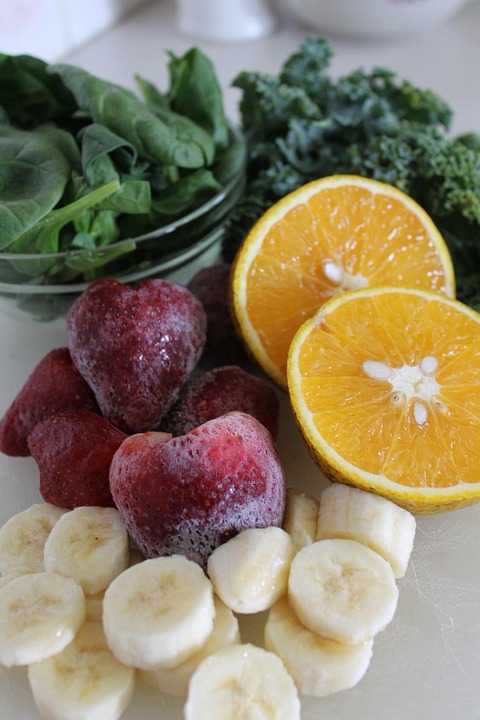
- Smoothies: Blend low GI fruits like kiwi or pears with spinach for a nutritious smoothie.
- Cooking: Use vegetables like broccoli and zucchini in stir-fries for a wholesome dinner option.
Conclusion
Choosing low GI fruits and vegetables is a smart strategy for maintaining stable energy levels, managing weight, and reducing the risk of chronic diseases. Incorporating these nutrient-dense options into your diet not only offers health benefits but also satisfies your taste buds. As you embark on your journey to better nutrition, remember that eating smart can be delicious, satisfying, and rewarding. So, fill your plate with nature’s bounty and take a proactive step toward a healthier you!
Call to Action
Ready to add more low GI fruits and vegetables into your meals? Start today by picking up some berries, leafy greens, or any of the other delicious options from our list! Your body will thank you for it. Don’t forget to share your favorite low GI recipes with us in the comments below!