
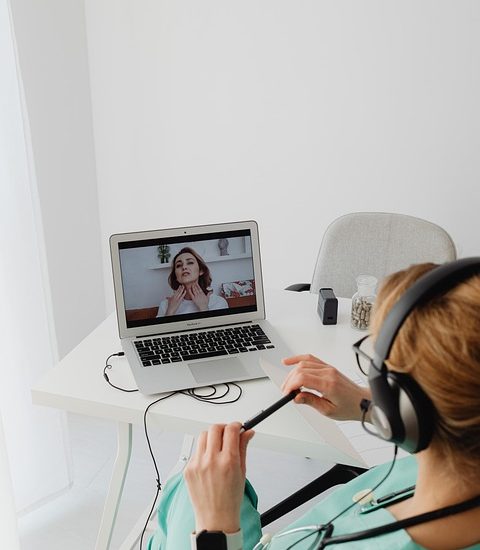
In recent years, the healthcare landscape has significantly evolved, especially with the rise of telehealth services. Among the pivotal advances is the use of GLP-1 (glucagon-like peptide-1) medications, which have shown tremendous potential for weight management and metabolic health. This blog discusses effective GLP-1 telehealth strategies that can empower individuals to make sustainable lifestyle changes.
What are GLP-1 Medications?
GLP-1 medications are a class of drugs primarily used in the treatment of Type 2 diabetes and obesity. They work by mimicking the effects of the GLP-1 hormone that helps regulate blood sugar levels and appetite. The benefits of GLP-1 treatments include:
- Weight Loss: They help in reducing appetite and food intake.
- Improved Blood Sugar Control: They support insulin secretion when glucose levels are high.
- Heart Health: Many GLP-1 medications have been linked to improved cardiovascular outcomes.
With the added convenience of telehealth, these medications can be integrated into comprehensive lifestyle change programs more effectively.
Why Telehealth is Crucial for GLP-1 Treatment
Telehealth eliminates the barriers of location and accessibility, allowing patients to consult healthcare professionals from the comfort of their homes. Here are some compelling reasons to consider telehealth for GLP-1 treatment:
- Convenience: No need to commute or wait in crowded clinics.
- Accessibility: Reach specialists who may not be available locally.
- Privacy: Discreet consultations for sensitive conditions like obesity and diabetes.
Key GLP-1 Telehealth Strategies
1. Personalized Nutrition Plans
One of the cornerstones of effective lifestyle change is nutrition. Conveying personalized nutrition strategies via telehealth can be impactful.
- Assess Dietary Habits: Use initial consultations to assess patients’ eating habits.
- Create Custom Plans: Develop nutrition plans tailored to individual preferences, lifestyle, and GLP-1 medications.
- Incorporate Tracking Tools: Utilize apps or online platforms to assist patients in tracking their meals.
2. Regular Follow-Ups
Consistency is vital for lifestyle changes. Scheduled follow-ups can help monitor progress effectively.
- Monthly Check-ins: Plan regular virtual meetings to assess medication effects and weight loss.
- Adjust Plans as Needed: Address challenges and adapt plans based on real-time data and feedback.
- Celebrate Small Wins: Acknowledge patient milestones to motivate continued efforts.
3. Education and Support Groups
Knowledge is empowering. Providing educational resources and support groups can be transformed into a telehealth format.
- Workshops: Host online workshops explaining the benefits of GLP-1 medications and their role in lifestyle changes.
- Peer Support Groups: Create virtual support forums where patients can share experiences and encourage one another.
4. Physical Activity Recommendations
A well-rounded lifestyle change should incorporate physical activity. Telehealth offers great avenues for promoting fitness.
- Activity Goals: Set achievable physical activity goals for patients based on their current fitness levels.
- Virtual Training Sessions: Collaborate with fitness coaches to offer virtual training sessions tailored for individuals on GLP-1 medications.
- Home Workouts: Provide video tutorials for home exercises that accommodate varying fitness levels.
5. Behavioral Therapy Integration
Behavioral changes often require psychological support. Incorporating behavioral therapy into telehealth can address emotional eating and motivation.
- Individual Counseling: Arrange virtual sessions with licensed therapists specializing in behavioral change techniques.
- Cognitive Behavioral Techniques: Employ strategies to help patients manage cravings and develop healthier habits.
- Mindfulness Programs: Offer workshops on mindfulness as a means to combat stress-eating and enhance mental well-being.
6. Utilization of Technology
Leveraging technology is essential for effective telehealth strategies.
- Mobile Apps: Recommend mobile apps designed for tracking food intake, exercise, and medication adherence.
- Wearable Devices: Encourage the use of fitness trackers to monitor activity and sleep patterns.
- Telehealth Platforms: Use user-friendly platforms that facilitate easy communication between patients and healthcare providers.
7. Collaborate with Interdisciplinary Teams
For holistic care, the integration of various healthcare professionals is key.
- Team Approach: Utilize a team of dietitians, physical trainers, and psychologists all accessible through telehealth.
- Shared Platforms: Use cloud-based systems to communicate patient progress and strategies amongst team members seamlessly.
Conclusion
Incorporating GLP-1 medications into lifestyle change programs through telehealth can catalyze significant improvements in health and well-being. By leveraging personalized nutrition plans, regular follow-ups, educational resources, physical activity recommendations, behavioral therapy, modern technology, and interdisciplinary collaboration, healthcare providers can enable patients to achieve sustainable lifestyles.
Adopting these GLP-1 telehealth strategies enhances the potential for success in weight management and metabolic health. If you’re considering GLP-1 treatments, explore telehealth options to make your journey toward better health manageable, convenient, and empowering.
Empower yourself today. Embrace these strategies and take charge of your health with GLP-1 telehealth solutions.