
Inflammation is a natural process within the body that serves as a defense mechanism against injury or illness. However, chronic inflammation can lead to serious health issues such as heart disease, diabetes, and arthritis. To combat this, many people are turning to the anti-inflammatory diet. In this article, we’ll explore the key ingredients that can help promote wellness and reduce inflammation.
What is the Anti-Inflammatory Diet?
The anti-inflammatory diet emphasizes whole, nutrient-rich foods while minimizing processed items. This diet focuses on ingredients known for their anti-inflammatory properties, promoting overall health and well-being. It can be a delicious and enjoyable way to support your body’s natural defenses.
Key Benefits of an Anti-Inflammatory Diet
Adopting an anti-inflammatory diet offers several health benefits, including:
- Reduced Risk of Chronic Diseases: Lower levels of inflammation can reduce the risk of heart disease, cancer, and neurodegenerative diseases.
- Improved Mood: Certain foods can help boost serotonin levels and improve mental health.
- Better Digestive Health: Many anti-inflammatory foods are high in fiber, which supports gut health.
- Weight Management: A focus on whole foods can lead to healthier eating habits and help maintain a healthy weight.
Key Ingredients in an Anti-Inflammatory Diet
The anti-inflammatory diet is rich in a variety of ingredients. Here are some key components to incorporate into your daily meals.
Fruits and Vegetables
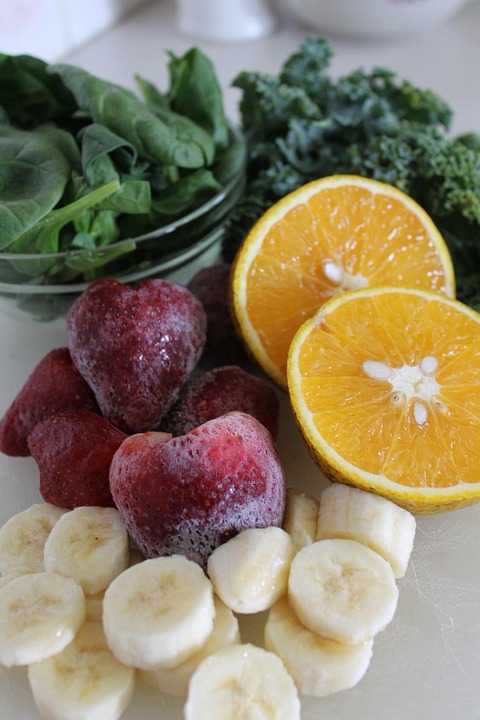
Fruits and vegetables are packed with antioxidants that help fight inflammation. Consider incorporating:
- Berries: Blueberries, strawberries, and raspberries are high in flavonoids, which have anti-inflammatory effects.
- Leafy Greens: Spinach, kale, and Swiss chard are rich in vitamins and minerals that support immune health.
- Cruciferous Vegetables: Broccoli, Brussels sprouts, and cauliflower contain sulfur compounds that help reduce inflammation.
Healthy Fats
Not all fats are created equal. The right kinds of fats can reduce inflammation and support heart health.
- Olive Oil: Rich in oleocanthal, olive oil mimics the effects of anti-inflammatory drugs.
- Avocado: This fruit is full of heart-healthy monounsaturated fats and fiber.
- Fatty Fish: Salmon, mackerel, and sardines are high in omega-3 fatty acids, which have potent anti-inflammatory properties.
Whole Grains
Processed grains can contribute to inflammation, while whole grains offer beneficial nutrients.
- Quinoa: A complete protein rich in essential amino acids and fiber.
- Brown Rice: Provides more nutrients than white rice, including antioxidants and fiber.
- Oats: Rich in beta-glucans, which can help lower cholesterol and reduce inflammation.
Nuts and Seeds
Adding a variety of nuts and seeds can provide healthy fats, fiber, and added nutrients.
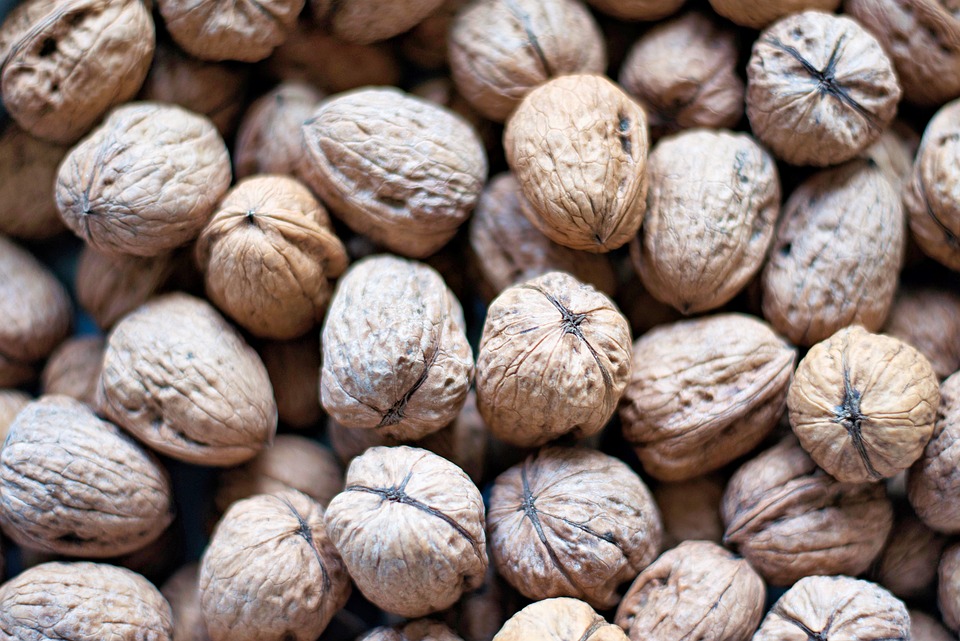
- Walnuts: High in omega-3 fatty acids and antioxidants.
- Chia Seeds: Packed with fiber, protein, and anti-inflammatory omega-3s.
- Flaxseeds: Great source of lignans that have antioxidant and anti-inflammatory benefits.
Spices and Herbs
Spices and herbs not only enhance flavor but also offer incredible health benefits.
- Turmeric: Contains curcumin, a powerful anti-inflammatory compound.
- Ginger: Known for its anti-nausea properties, it also helps reduce inflammation.
- Garlic: Contains sulfur compounds that boost immunity and reduce inflammation.
Legumes
Beans and lentils are excellent sources of fiber and protein while being low in fat.
- Black Beans: High in antioxidants and fiber, promoting digestive health.
- Chickpeas: Good source of protein and vitamins, supporting overall health.
- Lentils: Rich in fiber and minerals, they help regulate blood sugar and reduce inflammation.
Sample Anti-Inflammatory Meal Plan
To help you get started, here’s a simple anti-inflammatory meal plan you can try:
Breakfast
- Overnight oats topped with berries, walnuts, and a drizzle of honey.
Lunch
- Quinoa salad with spinach, chickpeas, cherry tomatoes, and a lemon-olive oil dressing.
Snack
- Sliced apple with almond butter.
Dinner
- Grilled salmon with a side of steamed broccoli and sweet potatoes, seasoned with turmeric and garlic.
Dessert
- A small bowl of mixed berries with a sprinkle of chia seeds.
Tips for Following an Anti-Inflammatory Diet
- Plan Your Meals: Prepare your meals ahead of time to make healthier choices easier.
- Stay Hydrated: Drink plenty of water and consider herbal teas, such as ginger or green tea, known for their anti-inflammatory properties.
- Limit Processed Foods: Try to avoid sugary snacks, fried foods, and fast food.
Conclusion
Embracing an anti-inflammatory diet can lead to improved health, increased energy levels, and a better quality of life. By focusing on a variety of whole foods—fruits, vegetables, healthy fats, whole grains, nuts, and spices—you can help your body combat chronic inflammation. With a little planning and commitment, you can create delicious meals that are not only nourishing but also beneficial for your overall wellness.
Call to Action
Are you ready to embark on a journey toward better health? Start incorporating these anti-inflammatory ingredients into your meals today, and feel the difference it can make! If you found this article helpful, consider sharing it with friends and family who may also benefit from an anti-inflammatory diet.
By incorporating these tips and ingredients, you can take a proactive step in managing inflammation and enhancing your well-being. Let’s make healthier choices together!