
Managing diabetes effectively requires a balanced diet that regulates blood sugar levels. One essential aspect of this management is choosing suitable snacks. Low Glycemic Index (GI) snacks can be great allies in this quest. In this article, we’ll explore the benefits of low GI snacks, share delicious options, and provide tips for incorporating them into your daily routine.
What is the Glycemic Index?
Before diving into snacks, it’s crucial to understand the Glycemic Index (GI). The GI measures how quickly foods raise blood sugar levels after consumption. Foods are classified on a scale from 0 to 100:
- Low GI (1-55): These foods cause a gradual increase in blood sugar, making them ideal for diabetics.
- Medium GI (56-69): Moderate effect on blood sugar.
- High GI (70 and above): Rapid spikes in blood sugar, to be consumed with caution.
Focusing on low GI snacks can help stabilize your blood sugar levels and manage hunger cravings throughout the day.
Benefits of Low GI Snacks
Choosing low GI snacks offers numerous benefits for diabetics:
- Stable Blood Sugar Levels: Prevents spikes and crashes in glucose levels.
- Long-lasting Energy: Provides sustained energy without sudden drops.
- Reduced Hunger: Keeps you feeling full longer, reducing overeating.
- Improved Heart Health: Many low GI foods are fiber-rich and heart-healthy.
- Easier Weight Management: Helps control hunger and calorie intake.
Healthy Low GI Snack Options
Nuts and Seeds
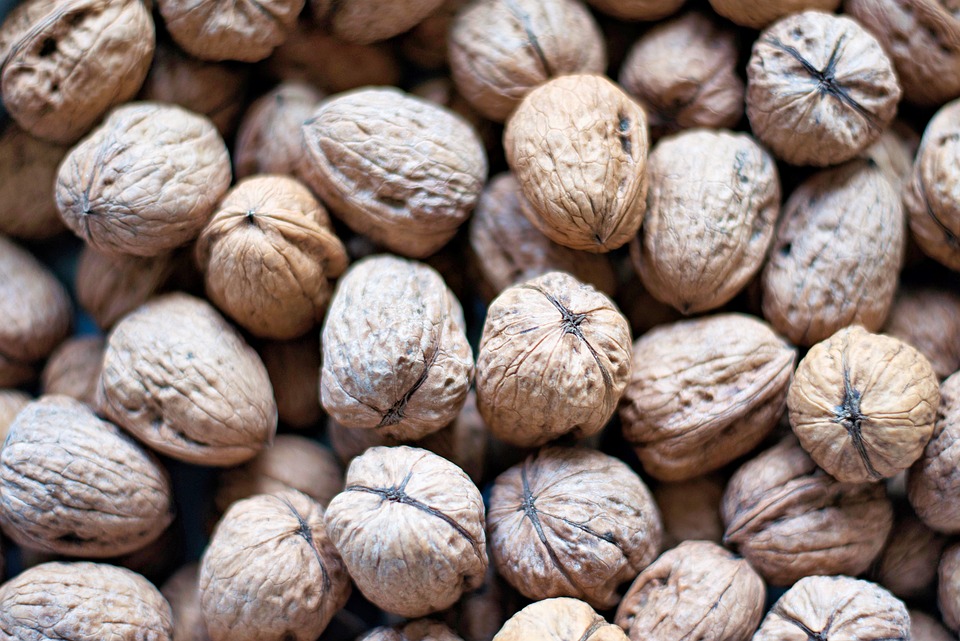
Nuts and seeds are excellent low GI snacks that offer healthy fats, protein, and fiber. They are incredibly versatile and can be enjoyed in various ways.
- Almonds: Rich in magnesium and vitamin E.
- Walnuts: Great source of omega-3 fatty acids.
- Chia seeds: High in fiber and antioxidants.
Suggested Combination
Mix a handful of nuts and seeds for a nutrient-packed trail mix. Consider adding a sprinkle of cinnamon for a flavor boost.
Vegetables with Hummus
Fresh vegetables paired with hummus create a crunchy, satisfying snack.
- Carrots: High in beta-carotene and fiber.
- Cucumbers: Refreshing with very few calories.
- Bell Peppers: Loaded with vitamins A and C.
Snack Idea
Chop assorted veggies and serve with a homemade hummus dip, blending chickpeas, tahini, lemon juice, and garlic for a creamy treat.
Greek Yogurt with Berries
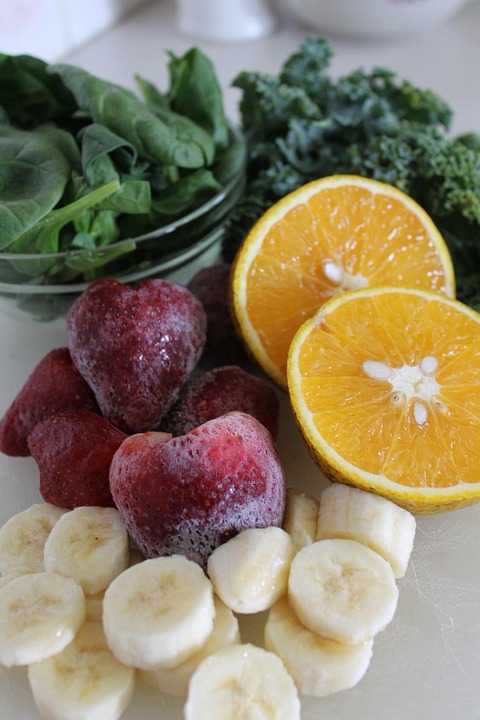
Greek yogurt is a low GI food that adds protein and probiotics to your diet. Topped with fresh berries, it becomes a delicious and nutritious snack.
- Strawberries: High in fiber and low in carbs.
- Blueberries: Packed with antioxidants.
How to Prepare
Spoon Greek yogurt into a bowl, add a handful of berries, and drizzle with a bit of honey or sprinkle with nuts for added texture.
Whole Grain Crackers with Avocado
Whole grain crackers are a crunchy snack option with a lower GI score. Pairing them with creamy avocado increases the healthy fats and nutrients.
- Avocado: Loaded with fiber, potassium, and healthy fats.
Quick Recipe
Mash avocado with a squeeze of lime juice and a pinch of salt. Spread it on whole grain crackers for a tasty treat.
Rice Cakes with Nut Butter
Rice cakes are a great base for various toppings, and when slathered with nut butter, they transform into a satisfyingly crunchy snack.
- Nut Butter (Almond, Cashew, or Peanut): High in healthy fats and protein.
Snack Tip
Top a rice cake with a generous tablespoon of nut butter and add sliced bananas or strawberries for extra flavor.
Dark Chocolate
Believe it or not, dark chocolate can fit into a low GI diet in moderation. Choose a chocolate with at least 70% cocoa content for added health benefits.
- Benefits: Rich in antioxidants and lower in sugar compared to milk chocolate.
Serving Suggestion
Enjoy a small piece (around 1 oz) of dark chocolate paired with a handful of nuts for a delightful treat.
Tips for Choosing Low GI Snacks
- Read Labels: Check for GI ratings and the overall nutritional profile.
- Portion Control: Even healthy snacks should be consumed in moderation.
- Pair Foods: Pair high-fiber foods with proteins or healthy fats for optimal blood sugar control.
- Plan Ahead: Prepare snacks in advance to avoid unhealthy choices when cravings hit.
Creating a Balanced Snack Routine
Incorporating low GI snacks into your daily grind can be simple. Here are a few tips to create a balanced snack routine:
- Set a Schedule: Aim for 2-3 snacks daily, at consistent times to aid in regulation.
- Mix and Match: Combine different foods to prevent boredom.
- Stay Hydrated: Drink plenty of water; sometimes thirst can be mistaken for hunger.
- Listen to Your Body: Pay attention to how various foods affect your energy levels and hunger.
Conclusion
Low GI snacks are a delicious and effective way for diabetics to manage their blood sugar levels. By integrating these tasty options into your diet, you’ll enjoy sustained energy and satisfaction without the negative impacts often associated with high-GI foods. Remember to embrace variety and balance in your snack choices. Healthy eating is not just about restrictions—it’s about discovering new, flavorful options that support your wellbeing.
Whether you’re at home, at work, or on the go, let these low GI snacks keep you fueled and feeling great while effectively managing your diabetes. Embrace this journey to better health with flavorful choices that make snacking enjoyable and guilt-free!