Maintaining hormonal balance is crucial for overall health and well-being. From mood swings to energy levels, hormones play a significant role in various bodily functions. An increasing number of individuals are turning to a hormone-friendly diet to promote balance, enhance health, and support wellness. In this blog, we’ll explore how a hormone-friendly diet can transform your health and provide you with practical dietary tips and strategies.
What is a Hormone-Friendly Diet?
A hormone-friendly diet focuses on consuming foods that support hormonal balance in the body. This type of diet emphasizes whole, nutrient-dense foods while minimizing processed ingredients, refined sugars, and unhealthy fats. The primary goal is to provide the body with the nutrients it needs to regulate hormone production effectively.
Key Components of a Hormone-Friendly Diet
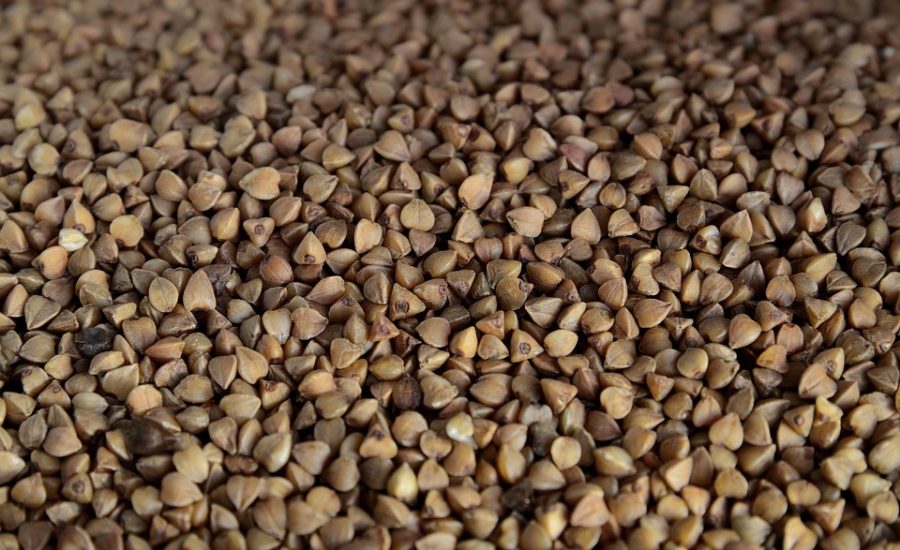
- Whole Foods: Incorporate a variety of fruits, vegetables, whole grains, lean proteins, and healthy fats.
- Fiber-Rich Foods: Fiber helps regulate insulin and can promote better digestive health.
- Healthy Fats: Sources such as avocados, nuts, seeds, and olive oil support hormone production.
- Fermented Foods: Items like yogurt, kefir, and sauerkraut can promote gut health and influence hormone regulation.
- Lean Proteins: Consider fish, poultry, legumes, and plant-based proteins for balanced meals.
Why Hormonal Balance Matters
Hormones are messenger molecules produced by glands throughout the body. They influence nearly every process, including:
- Metabolism: Hormones regulate how we use energy from food.
- Mood and Behavior: Changes in hormone levels can affect mood, causing anxiety or depression.
- Reproductive Health: Hormones like estrogen and testosterone are vital for sexual health and fertility.
- Weight Management: Hormonal imbalances can contribute to weight gain and difficulty losing weight.
Achieving hormonal balance can lead to improved energy levels, better moods, healthier skin, and enhanced metabolism.
How Diet Influences Hormonal Health
Diet plays a pivotal role in maintaining hormonal balance. Certain foods can enhance or inhibit hormone production, impacting how well your body functions. Here are some key ways a hormone-friendly diet can make a difference:
1. Supports Insulin Sensitivity
A diet rich in fiber and whole foods helps maintain stable blood sugar levels, reducing insulin spikes. This can be particularly beneficial for those with insulin resistance or type 2 diabetes.
- Foods to Include: Quinoa, brown rice, legumes, and plenty of vegetables.
2. Reduces Inflammation
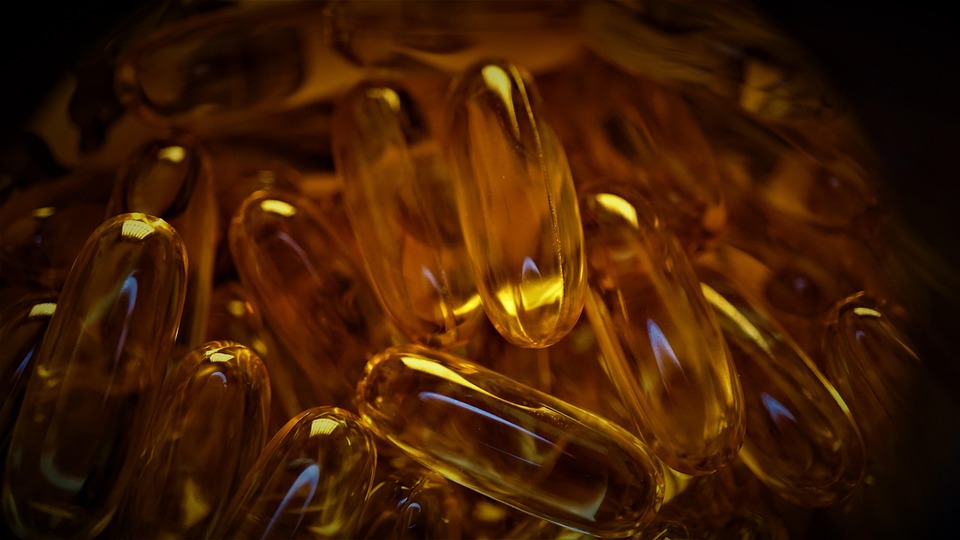
Chronic inflammation can lead to hormonal imbalance. Foods rich in antioxidants, omega-3 fatty acids, and other anti-inflammatory compounds can help combat this issue.
- Anti-Inflammatory Foods:
- Fatty fish (salmon, mackerel)
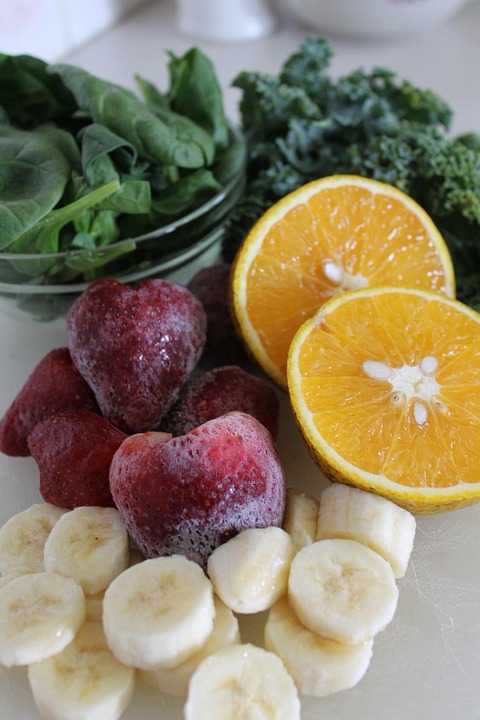
- Leafy greens (spinach, kale)
- Berries (blueberries, strawberries)
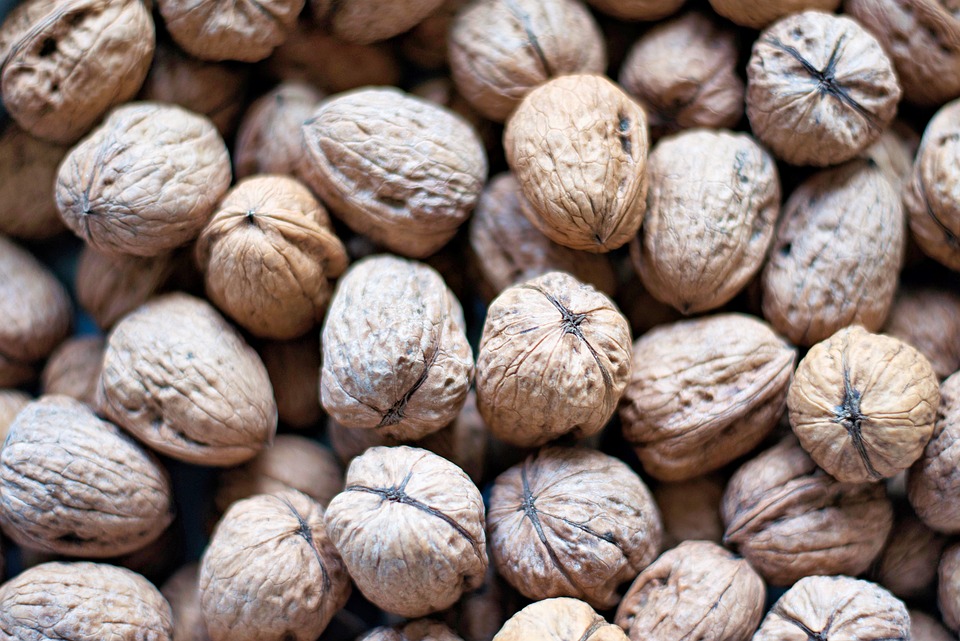
- Nuts and seeds (chia seeds, walnuts)
3. Balances Estrogen Levels
For women, estrogen dominance can lead to symptoms like mood swings and weight gain. A hormone-friendly diet can help maintain healthy estrogen levels.
- Key Foods:
- Cruciferous vegetables (broccoli, cauliflower)
- Flaxseeds
- Green tea
4. Enhances Thyroid Function
The thyroid gland is crucial for regulating metabolism. Foods rich in iodine, selenium, and zinc can support thyroid health.
- Thyroid-Boosting Foods:
- Seaweed (nori, kelp)
- Brazil nuts
- Eggs
Practical Tips for Adopting a Hormone-Friendly Diet
Transitioning to a hormone-friendly diet doesn’t have to be overwhelming. Here are some actionable tips to help you get started:
1. Meal Planning
Plan your meals in advance to make healthier choices easier. Aim to include a variety of nutrient-dense foods in each meal.
2. Snack Wisely
Opt for hormone-friendly snacks like nuts, yogurt, or raw veggies with hummus instead of processed snacks high in sugars and unhealthy fats.
3. Stay Hydrated
Drink plenty of water throughout the day. Herbal teas, especially those with hormonal benefits like spearmint or chamomile, can be great additions.
4. Limit Processed Foods
Reduce consumption of processed foods, high sugar foods, and trans fats. Instead, choose fresh, whole ingredients whenever possible.
5. Listen to Your Body
Pay attention to how different foods affect your mood, energy, and physical well-being. This awareness can guide your dietary choices.
Conclusion
Embracing a hormone-friendly diet can be a transformative step toward achieving better health. By focusing on whole, nutrient-dense foods, you can support your body’s hormonal balance and improve your quality of life. Remember, consistency is key! With a little planning and mindful eating, you can create a diet that not only promotes hormonal health but also nourishes your body and soul.
Final Thoughts
If you’re considering making significant changes to your diet, especially for hormonal health, consulting with a healthcare professional or a registered dietitian can provide personalized guidance and support. By prioritizing a hormone-friendly diet, you are investing in your health for the long term. Here’s to a healthier, balanced you!