
Maintaining stable blood sugar levels is crucial for overall health, especially for individuals managing diabetes or those looking to maintain a balanced diet. One effective way to achieve this is through understanding the concept of glycemic load (GL). In this article, we’ll explore what glycemic load is, its significance, and a comprehensive list of essential foods that help keep your blood sugar steady.
What is Glycemic Load?
Understanding Glycemic Index and Load
The glycemic index (GI) measures how quickly a carbohydrate-containing food raises blood glucose levels. Foods with a high GI score cause a rapid spike in blood sugar, whereas those with a low GI cause a more gradual increase.
Glycemic load (GL) takes it a step further by factoring in both the type of carbohydrate and the serving size. The formula used to calculate GL is:
[ \text{GL} = \left( \text{GI} \times \text{grams of carbs per serving} \right) \div 100 ]
A high GL food can be problematic, leading to spikes in insulin and energy crashes shortly after. Conversely, foods with a low GL promote more stable blood sugar levels, making them an essential part of a balanced diet.
Why Glycemic Load Matters
Understanding glycemic load is crucial for several reasons:
- Blood Sugar Control: Foods with lower GL can help manage diabetes or prediabetes.
- Sustained Energy: Low GL foods provide longer-lasting energy, preventing midday slumps.
- Weight Management: Foods that keep blood sugar steady can help curb cravings and aid in weight loss.
Essential Foods for Balancing Glycemic Load
Low Glycemic Load Foods
- Non-Starchy Vegetables
- Spinach
- Kale
- Broccoli
- Cauliflower
- Zucchini
These vegetables are nutrient-dense and contain minimal carbs, making them perfect for blood sugar management.
- Whole Grains
- Quinoa
- Farro
- Brown rice
- Bulgur
Whole grains are packed with fiber, which slows down the absorption of sugar into the bloodstream.
- Legumes
- Lentils
- Chickpeas
- Black beans
- Kidney beans
Rich in protein and fiber, legumes can help stabilize blood sugar while providing a satisfying meal option.
- Nuts and Seeds
- Almonds
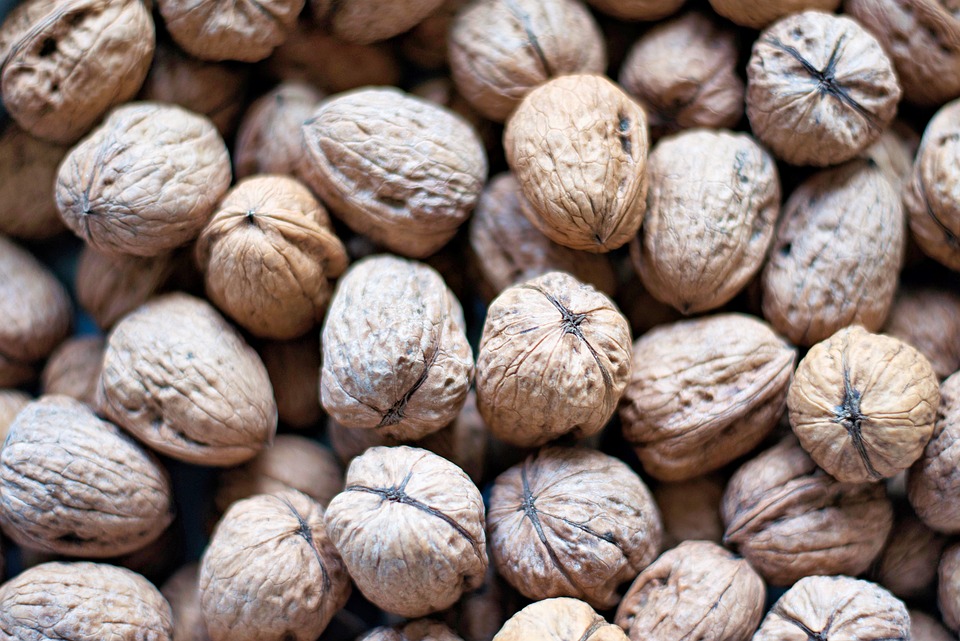
- Walnuts
- Chia seeds
- Flaxseeds
Nuts and seeds are low in carbs and high in healthy fats, making them ideal snacks for steady energy.
- Fruits
- Berries (blueberries, strawberries, raspberries)
- Apples
- Pears
- Cherries
Fruits are a great source of vitamins and antioxidants; those with lower sugar content are best for keeping GL down.
Medium Glycemic Load Foods
-
Sweet Potatoes
- Rich in vitamins and fiber, they lead to a moderate increase in blood sugar levels.
-
Oats
- Rolled oats and steel-cut oats are great for breakfast; they have a moderate glycemic load and increase feelings of fullness.
-
Whole Grain Bread
- Look for breads made with whole grains (not refined) to ensure you’re getting complex carbs.
High Glycemic Load Foods to Avoid
-
White Bread and Pastries
- These can trigger rapid spikes in sugar levels.
-
Sugary Drinks
- Sodas and sweetened beverages are high in sugar and can lead to immediate blood sugar spikes.
-
Processed Snack Foods
- Chips, crackers, and other processed snacks often contain refined carbs that are detrimental to blood sugar stability.
Tips for Balancing Glycemic Load
Pairing Foods Wisely
- Combine Carbs with Protein or Fat: For example, pairing an apple with almond butter can slow the absorption of sugar.
- Load Up on Fiber: Foods high in fiber help in regulating sugar levels. Consider adding flaxseed to smoothies or oats.
Portion Control
Monitoring portion sizes is vital. Even low GL foods can impact blood sugar if consumed in large amounts. Use tools like measuring cups or a food scale to help maintain appropriate servings.
Stay Hydrated
Drinking plenty of water throughout the day can help with blood sugar control and overall health. It’s often overlooked, but hydration plays a key role in managing glucose levels.
Conclusion
Balancing glycemic load is an effective strategy for maintaining steady blood sugar levels and promoting overall health. By incorporating a variety of low and medium glycemic load foods into your diet and avoiding high GL options, you can better manage your energy levels, appetite, and overall well-being.
Remember, understanding your unique dietary needs is crucial, so consider consulting a healthcare provider or nutritionist for personalized advice. By making informed choices, you can empower yourself to lead a healthier, balanced life—one meal at a time.
Start today by evaluating your current diet and making small, impactful changes that align with glycemic load principles, setting yourself on the path to sustained health and vitality.