
Low Glycemic Index (GI) foods have become buzzworthy in the world of nutrition, fitness, and overall wellness. But what exactly are they, and how can they improve your health? In this article, we’ll explore the benefits of low GI foods, provide a complete list, and share some practical eating tips to incorporate them into your diet.
What Are Low GI Foods?
The Glycemic Index (GI) is a scale that ranks foods based on how quickly they raise blood sugar levels. Foods are categorized as follows:
- Low GI (55 or less): These foods are digested slowly, leading to a gradual increase in blood sugar levels.
- Medium GI (56-69): These foods have a moderate effect on blood sugar.
- High GI (70 or more): These foods cause rapid spikes in blood sugar levels.
Focusing on low GI foods can be beneficial for those looking to manage their weight, control blood sugar levels, and improve overall health.
Benefits of Low GI Foods
1. Better Blood Sugar Control
One of the primary benefits of low GI foods is their ability to help stabilize blood sugar levels. When consumed, they lead to a gradual release of glucose into the bloodstream, reducing the risk of spikes and crashes that can lead to cravings and overeating.
2. Weight Management
Low GI foods can support weight management by promoting satiety. Because these foods digest slowly, they can help you feel full longer, reducing the likelihood of snacking between meals.
3. Sustained Energy Levels
Eating low GI foods can provide more consistent energy throughout the day. Unlike high GI foods that can lead to a quick energy spike followed by an abrupt drop, low GI foods supply steady and prolonged energy.
4. Improved Heart Health
Low GI diets have been linked to improved heart health. Foods that rank low on the GI scale often contain beneficial nutrients like fiber, antioxidants, and healthy fats, contributing to cardiovascular health.
5. Reduced Risk of Chronic Diseases
Regularly incorporating low GI foods into your diet may lower the risk of developing chronic diseases such as type 2 diabetes, obesity, and heart disease, thanks to their positive effects on blood sugar and metabolism.
Complete List of Low GI Foods
Grains and Cereals
- Barley
- Oats (rolled and steel-cut)
- Quinoa
- Whole grain bread
- Brown rice
- Bulgur
Fruits
- Apples
- Pears
- Berries (strawberries, blueberries, raspberries)
- Cherries
- Oranges
- Plums
Vegetables
- Spinach
- Broccoli
- Carrots
- Cauliflower
- Brussels sprouts
- Zucchini
Legumes
- Lentils
- Chickpeas
- Black beans
- Kidney beans
- Peas
Nuts and Seeds
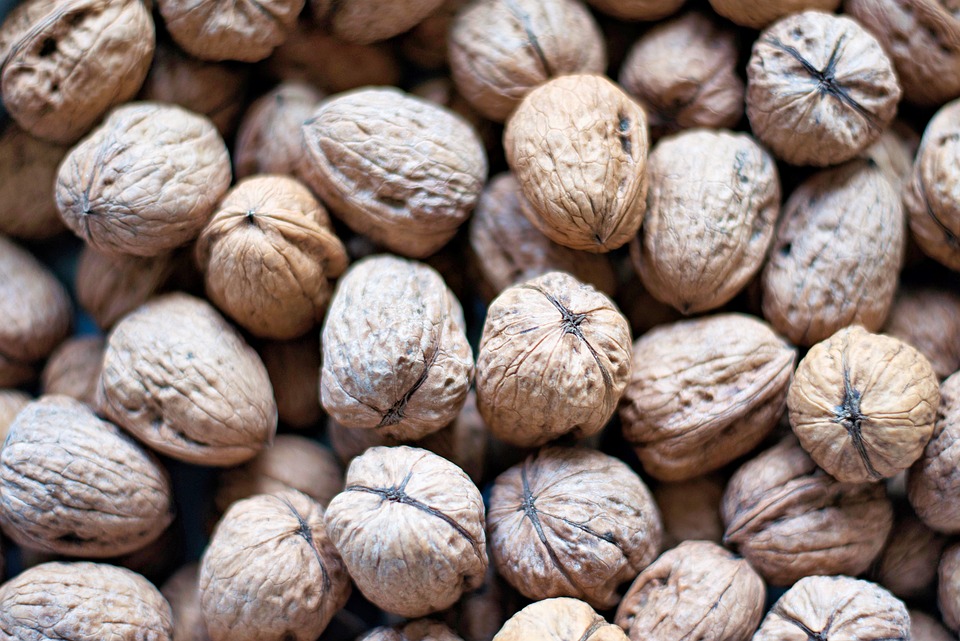
- Walnuts
- Almonds
- Chia seeds
- Flaxseeds
- Pumpkin seeds
Dairy and Alternatives
- Greek yogurt
- Low-fat milk
- Unsweetened almond milk
- Cottage cheese
Sweeteners
- Stevia
- Agave nectar (in moderation)
Low GI Eating Tips
1. Prioritize Whole Foods
Focus on whole, minimally processed foods. These tend to have a lower GI compared to their refined counterparts. For instance, choose whole grain bread over white bread.
2. Pair Foods Wisely
Combining low GI foods with high-fiber foods can help lower the overall GI of your meal. For example, add beans to a quinoa salad for an extra fiber boost.
3. Mind Your Portion Sizes
Even low GI foods can contribute to weight gain if eaten in excessive amounts. Monitor portion sizes to maintain a balanced diet.
4. Choose Healthy Cooking Methods
Opt for cooking methods that preserve the integrity of the food, such as steaming, baking, or grilling. Avoid frying or overcooking, as these methods can increase the GI of certain foods.
5. Stay Hydrated
Water is crucial for overall health and can help regulate appetite. Sometimes, our bodies misinterpret thirst for hunger.
Sample Low GI Meal Plan
Breakfast:
- Overnight oats topped with berries and a sprinkle of chia seeds.
Lunch:
- Quinoa salad mixed with chickpeas, cherry tomatoes, cucumber, and a lemon-olive oil dressing.
Snack:
- A small handful of almonds or a piece of fruit like an apple.
Dinner:
- Grilled salmon served with steamed broccoli and sweet potato.
Dessert:
- Greek yogurt with a drizzle of honey and some fresh strawberries.
Conclusion
Incorporating low GI foods into your diet can unlock numerous health benefits, from better blood sugar control to improved heart health and sustained energy levels. With a wide variety of options available, transitioning to a low GI lifestyle can be both enjoyable and beneficial. Use the tips provided to easily integrate these foods into your meals, and experience the positive changes in your health and well-being.
Whether you’re looking to manage your weight, stabilize energy levels, or reduce the risk of chronic diseases, the benefits of low GI foods are worth exploring. Make the switch today and start your journey toward a healthier lifestyle!
By following the guidelines outlined in this post, you can join the many individuals who have harnessed the power of low GI foods to improve their health and quality of life. Happy eating!