
Introduction
In today’s health-conscious world, many individuals are searching for ways to improve their diets while managing blood sugar levels. One effective approach is cooking with low glycemic ingredients. By understanding the glycemic index (GI) and incorporating these foods into your meals, you can enjoy delicious dishes while supporting your overall health. This ultimate guide will walk you through the benefits of low glycemic eating, what ingredients to use, and how to create mouth-watering recipes.
What is the Glycemic Index?
The glycemic index is a numerical scale that ranks carbohydrates based on their impact on blood sugar levels. Foods are categorized as:
- Low Glycemic (GI 1-55): These foods are digested slowly, leading to gradual increases in blood sugar levels.
- Medium Glycemic (GI 56-69): These foods have a moderate effect on blood sugar.
- High Glycemic (GI 70 and above): These foods cause rapid spikes in blood sugar levels.
Choosing low glycemic ingredients is essential for stabilizing energy levels, preventing cravings, and promoting fat loss.
Benefits of Cooking with Low Glycemic Ingredients
Incorporating low glycemic ingredients into your meals offers several advantages:
1. Improved Blood Sugar Control
Low GI foods help in preventing drastic spikes in blood sugar, reducing the risk of insulin resistance and type 2 diabetes.
2. Enhanced Weight Management
These ingredients keep you fuller longer, reducing the likelihood of overeating and aiding in weight loss.
3. Increased Energy Levels
With steady blood sugar levels, you avoid the energy crashes that often accompany high glycemic meals.
4. Promotes Heart Health
Low glycemic diets have been linked to lower cholesterol levels and reduced risks of heart disease.
Key Low Glycemic Ingredients
Here’s a list of essential low glycemic ingredients ideal for cooking:
Whole Grains
- Quinoa: A protein-rich grain that is versatile and full of nutrients.
- Brown Rice: A fiber-rich option that keeps you satisfied.
- Oats: High in soluble fiber, oats help manage blood glucose.
Legumes
- Lentils: Packed with protein and fiber, they make a great addition to soups and salads.
- Chickpeas: A planting powerhouse perfect for hummus or salads.
Vegetables
- Non-Starchy Vegetables: Broccoli, spinach, and bell peppers provide vital nutrients without the sugar.
- Sweet Potatoes: A nutritious alternative to regular potatoes, full of vitamins.
Fruits
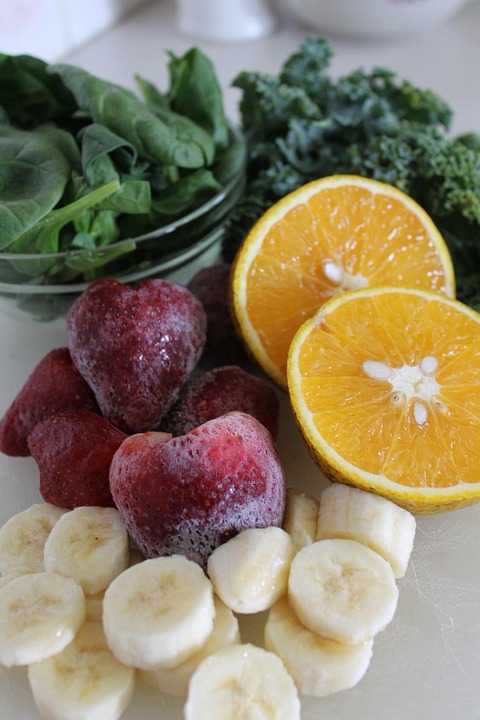
- Berries: Strawberries, blueberries, and raspberries have low GI scores and are rich in antioxidants.
- Apples: High in fiber and containing natural sugars, they make a perfect snack.
Nuts and Seeds
- Almonds: High in healthy fats and protein, making them an excellent snack option.
- Chia Seeds: High in fiber, they can be added to smoothies or used in baking.
Dairy Alternatives
- Greek Yogurt: A protein-packed option that’s lower in sugar than regular yogurt.
How to Cook with Low Glycemic Ingredients
Meal Planning Tips
- Start by Creating a Balanced Plate: Aim to fill half your plate with non-starchy vegetables, a quarter with whole grains, and a quarter with protein.
- Use Fresh Ingredients: Focus on seasonal produce to keep your meals vibrant and nutritious.
- Incorporate Snacks Wisely: Choose low glycemic snacks like raw nuts or hummus with veggies.
Cooking Techniques
- Steaming and Roasting: These methods retain nutrients while avoiding added sugars or fats.
- Batch Cooking: Prepare large quantities of low GI grains or legumes and store them for easy meal access throughout the week.
- Experiment with Spices: Use spices like cinnamon and turmeric to enhance the flavor without adding sugar.
Delicious Low Glycemic Recipes
Here are three simple low glycemic recipes to get you started.
1. Quinoa Salad with Chickpeas and Veggies
Ingredients:
- 1 cup cooked quinoa
- 1 cup canned chickpeas, rinsed
- 1 bell pepper, diced
- 1 cucumber, diced
- Fresh parsley, chopped
- Olive oil and lemon juice
Instructions:
- In a large bowl, combine cooked quinoa, chickpeas, bell pepper, cucumber, and parsley.
- Drizzle with olive oil and lemon juice, then mix well.
- Serve chilled or at room temperature.
2. Lentil Soup
Ingredients:
- 1 cup dried lentils
- 4 cups vegetable broth
- 1 onion, chopped
- 2 carrots, chopped
- 2 garlic cloves, minced
- Spices: cumin, thyme, salt, and pepper
Instructions:
- In a pot, sauté onions, garlic, and carrots until soft.
- Add lentils, broth, and spices. Bring to a boil, then reduce to a simmer.
- Cook for about 30 minutes until lentils are tender. Serve warm.
3. Berry Chia Seed Pudding
Ingredients:
- 1 cup almond milk
- 1/4 cup chia seeds
- 1 cup mixed berries
- Sweetener of choice (optional)
Instructions:
- Mix almond milk, chia seeds, and sweetener in a bowl.
- Let it sit for 10 minutes, then stir again.
- Refrigerate overnight and top with berries before serving.
Conclusion
Cooking with low glycemic ingredients is an effective way to enjoy wholesome, delicious meals while maintaining balanced blood sugar levels. By incorporating these foods into your diet, you can experience various health benefits, from improved energy levels to better weight management. Remember, meal planning is key to a successful low glycemic lifestyle. So, roll up your sleeves and dive into the world of flavorful, nutritious cooking today!
Keywords
Low Glycemic Ingredients, Glycemic Index, Cooking, Healthy Recipes, Meal Planning, Blood Sugar Control, Whole Grains, Legumes.