
Managing diabetes can feel overwhelming, especially when it comes to grocery shopping. However, stocking your pantry with the right foods can play a key role in maintaining stable blood sugar levels. This essential diabetic-friendly grocery list will not only help you make informed choices but also empower you to enjoy a balanced diet. Let’s dive into the foods that should be on your shopping list!
Understanding Diabetes and Nutrition
Diabetes is a condition that affects how your body processes glucose, the sugar found in many foods. For those managing diabetes, it’s crucial to focus on foods that have a low glycemic index, which helps minimize blood sugar spikes. This article will guide you through choosing the best foods to include in your diet.
What to Look For
When creating your diabetic grocery list, consider the following:
- Whole Foods: Opt for whole, unprocessed foods that are nutrient-dense.
- Low Glycemic Index: Foods that have minimal impact on blood sugar levels.
- High Fiber: Foods rich in fiber can help regulate blood sugar and improve digestion.
- Lean Proteins: Helps keep you full without spiking blood sugar levels.
Essential Diabetic-Friendly Grocery List
Fruits and Vegetables
Including a variety of fruits and vegetables can provide essential vitamins and minerals. Here are some top choices:
Best Fruits:
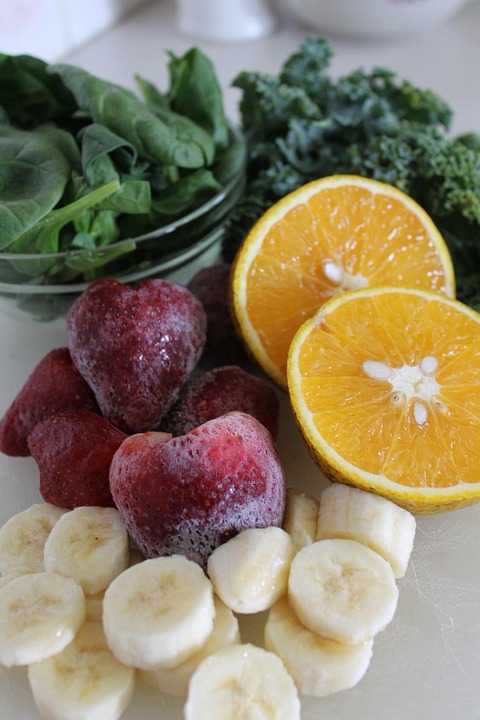
- Berries: Blueberries, strawberries, and raspberries are low in sugar and high in antioxidants.
- Cherries: A low-calorie fruit that helps regulate blood sugar.
- Apples: High in fiber and can be enjoyed fresh or as part of a salad.
Best Vegetables:
- Leafy Greens: Spinach, kale, and collard greens are packed with nutrients and low in calories.
- Broccoli and Cauliflower: Great sources of fiber; they also contain compounds that may help regulate blood sugar.
- Peppers: Colorful bell peppers are not only delicious but also rich in vitamins A and C.
Whole Grains
Choosing whole grains over refined grains can significantly impact your blood sugar levels. Here’s what to include:
- Quinoa: A complete protein that’s also high in fiber.
- Brown Rice: A better option than white rice, as it has a lower glycemic index.
- Oats: Opt for steel-cut or rolled oats, which provide sustained energy.
Healthy Proteins
Proteins help stabilize blood sugar and keep you full for longer. Include these options in your grocery list:
- Lean Meats: Chicken, turkey, and lean cuts of beef or pork.
- Fish: Salmon, mackerel, and sardines are high in omega-3 fatty acids, beneficial for heart health.
- Legumes: Chickpeas, lentils, and beans are great choices as they are high in fiber and protein.
Dairy and Dairy Alternatives
Dairy can be a valuable part of a diabetic diet. Choose wisely:
- Low-Fat Yogurt: Opt for unsweetened varieties to avoid extra sugar.
- Almond Milk: A low-calorie alternative that’s also low in carbs.
- Cottage Cheese: A high-protein option that can be mixed with fruits or eaten plain.
Healthy Fats
Incorporating healthy fats into your diet can also improve blood sugar control. Consider the following:
- Avocados: Rich in monounsaturated fats and high in fiber, making them a perfect choice.
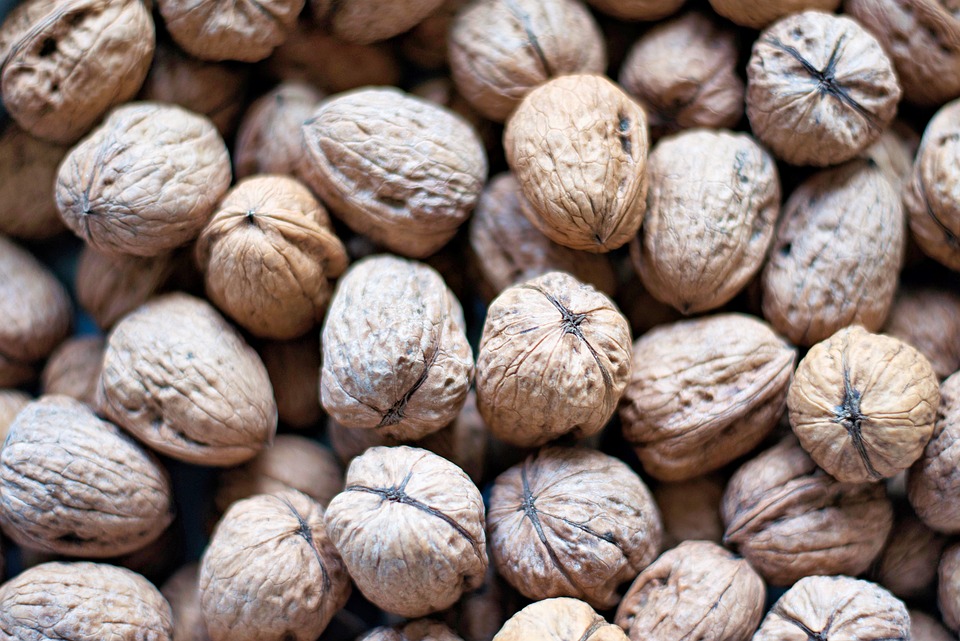
- Nuts and Seeds: Almonds, walnuts, and chia seeds are good sources of healthy fats and protein.
- Olive Oil: Fantastic for cooking and dressings, packed with antioxidants.
Snacks for Blood Sugar Control
Healthy snacking is important for managing diabetes. Here are some snack options:
- Vegetable Sticks with Hummus: A satisfying combination that provides fiber and protein.
- Greek Yogurt with Berries: A perfect blend of protein and antioxidants.
- Nut Butter on Whole-Grain Toast: A filling snack that helps stabilize blood sugar.
Foods to Avoid
While focusing on what to eat is essential, it’s equally crucial to know what to limit.
Foods to Avoid:
- Sugary Beverages: Sodas and juices can cause rapid spikes in blood sugar.
- White Bread and Pastries: Made from refined flour, these foods can be detrimental to blood sugar levels.
- Processed Snack Foods: Chips and packaged snacks often contain unhealthy fats and sugars.
Meal Planning Tips for Diabetics
Planning your meals in advance can help ensure that you maintain a balanced and healthy diet. Here are some tips to assist you:
- Create a Weekly Meal Plan: Outline breakfast, lunch, and dinner options.
- Prep Ahead: Prepare ingredients or meals in advance to make cooking easy during the week.
- Experiment with Recipes: Explore diabetic-friendly recipes to keep your meals exciting.
Conclusion
Creating a diabetic-friendly grocery list doesn’t have to be daunting. By including whole foods, focusing on low-glycemic options, and prioritizing healthy proteins and fats, you can effectively manage your blood sugar levels while enjoying a diverse and flavorful diet. Remember to stay informed and consult with a healthcare professional for personalized advice.
By making wise choices while grocery shopping, you can pave the way for better health and improved blood sugar control. Happy shopping and happy eating!