
In recent years, the plant-based diet has gained tremendous popularity, not just among vegans and vegetarians but also among health-conscious omnivores. One of the primary concerns for those transitioning to a plant-based lifestyle is obtaining enough protein. This guide will explore plant-based protein sources, tips for incorporating more of them into your diet, and delicious recipes you can try at home.
What is Plant-Based Protein?
Understanding Protein
Protein is a macronutrient made up of amino acids, which are essential for building and repairing tissues, making enzymes and hormones, and supporting overall health. While animal products have long been seen as the primary sources of protein, plant-based diets are increasingly recognized for their benefits.
Why Choose Plant-Based Protein?
- Health Benefits: Research suggests that plant proteins can lower the risk of chronic diseases, including heart disease and diabetes.
- Environmentally Friendly: Plant-based diets have a much lower carbon footprint compared to meat-based diets, contributing to a healthier planet.
- Ethical Considerations: Many people opt for plant-based protein to avoid contributing to animal cruelty.
Top Plant-Based Protein Sources
Legumes
- Beans (black beans, kidney beans, chickpeas)
- Peas (green peas, split peas)
- Lentils: An excellent source of protein and rich in fibers.
Nuts and Seeds
- Chia Seeds: Packed with omega-3 fatty acids.
- Quinoa: A complete protein with all essential amino acids.
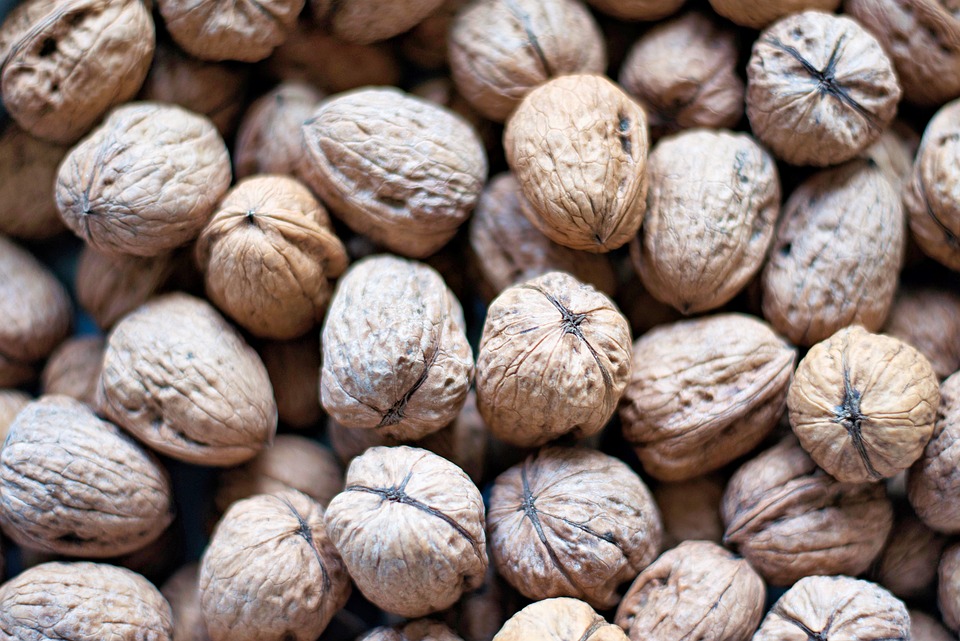
- Almonds and Walnuts: Good sources of protein and healthy fats.
Whole Grains
- Brown Rice: A staple that pairs well with legumes.
- Oats: Great for breakfast and baking.
- Buckwheat and Barley: Both versatile and nutritious options.
Vegetables
- While most vegetables are lower in protein, some are notable:
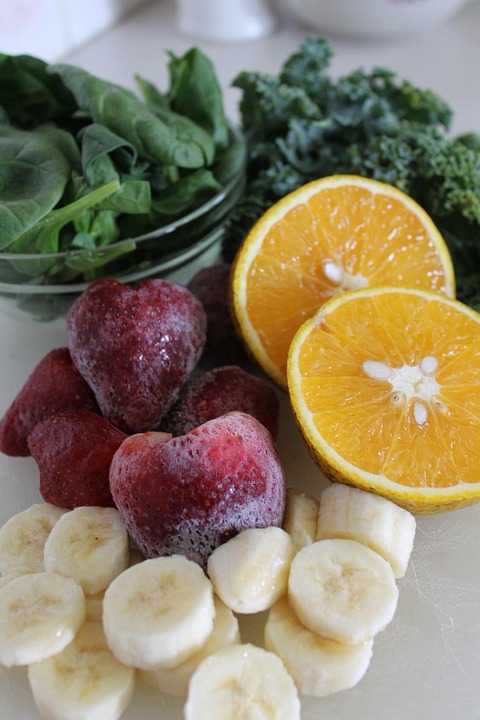
- Spinach: Contains more protein than most leafy greens.
- Broccoli: A powerhouse of nutrients and offers substantial protein.
Tips for Incorporating Plant-Based Protein
1. Mix and Match
To ensure you’re getting all essential amino acids:
- Combine different sources, such as rice and beans or hummus and whole-grain pita.
2. Explore Meat Alternatives
- Try products made from tofu, tempeh, and seitan. These can be used in various dishes, providing a satisfying texture and rich flavor.
3. Snack Wisely
- Opt for protein-packed snacks like:
- Roasted chickpeas
- Nut butter with celery or apples
- Protein bars made with oats and nuts
4. Add Protein to Your Smoothies
- Blend in nut butters, chia seeds, or hemp protein powder to boost the protein content of your morning smoothies.
5. Cook with Whole Foods
- Focus on whole food ingredients to create hearty meals, ensuring you receive not just protein but also vitamins and minerals.
Easy and Delicious Plant-Based Protein Recipes
Protein-Packed Quinoa Salad
Ingredients:
- 1 cup cooked quinoa
- 1 cup chickpeas (canned, rinsed)
- 1/2 cup chopped cucumbers
- 1/2 cup cherry tomatoes, halved
- 1/4 cup red onion, diced
- 2 tablespoons olive oil
- Juice of 1 lemon
- Salt and pepper to taste
Instructions:
- In a large bowl, combine quinoa, chickpeas, cucumbers, tomatoes, and onion.
- Drizzle with olive oil and lemon juice.
- Season with salt and pepper. Toss to combine.
Lentil Tacos
Ingredients:
- 1 cup lentils (cooked)
- Taco spices (cumin, paprika, garlic powder)
- Corn tortillas
- Toppings: avocado, salsa, cilantro
Instructions:
- Heat lentils in a pan and stir in taco spices.
- Warm tortillas and fill them with seasoned lentils.
- Top with avocado, salsa, and cilantro.
Chia Seed Pudding
Ingredients:
- 1/4 cup chia seeds
- 1 cup almond milk (unsweetened)
- 1 tablespoon maple syrup
- Fresh fruit for topping
Instructions:
- In a bowl, mix chia seeds, almond milk, and maple syrup.
- Refrigerate for at least 2 hours or overnight.
- Serve topped with fresh fruit.
Conclusion
Switching to a plant-based protein diet is not only beneficial for your health but can also contribute positively to the environment and animal welfare. With a variety of plant-based protein sources at your fingertips and simple recipes to follow, you can easily meet your protein needs without relying on animal products. Experiment with these ingredients and recipes to make your meals deliciously satisfying. By embracing plant-based proteins, you’re making a powerful choice for yourself and the planet!
Additional Resources
For more tips and recipes, explore our other articles on healthy eating and sustainable living. Start your journey toward better health today!