
Living with diabetes doesn’t mean boring meals or deprivation. In fact, adopting a diabetic-friendly diet can be flavorful, nutritious, and enjoyable. This blog post explores ten diabetic-friendly foods that can help regulate blood sugar levels, provide essential nutrients, and keep you feeling satisfied. Let’s dive into the delicious world of diabetes-friendly eating!
Understanding Diabetic Diets
Before we delve into our list, it’s essential to understand what makes a food diabetic-friendly. Foods that are low in simple sugars, rich in fiber, and have a low glycemic index (GI) are generally good choices. The glycemic index measures how quickly a carbohydrate-containing food raises blood glucose levels. Foods with a low GI provide gradual energy and don’t spike blood sugar levels.
Importance of a Balanced Diet
A balanced diet not only helps manage diabetes but also supports overall health. Incorporating various food types ensures you receive a diverse range of vitamins and minerals. Below are ten diabetic-friendly foods that deserve a place on your plate.
1. Non-Starchy Vegetables
Vegetables are packed with nutrients and low in calories and carbohydrates, making them ideal for diabetics. Non-starchy varieties include:
- Spinach
- Broccoli
- Kale
- Bell peppers
- Cauliflower
Why They’re Great
Non-starchy vegetables have a low glycemic index and are high in fiber, which can help regulate blood sugar levels. Plus, they’re rich in vitamins and minerals that boost overall health.
2. Whole Grains
Unlike refined grains, whole grains retain their bran and germ, providing more fiber and nutrients. Consider including:
- Quinoa
- Brown rice
- Oats
- Barley
Benefits of Whole Grains
Whole grains help stabilize blood sugar levels and keep you fuller longer, which is essential for weight management. They also contain antioxidants that support heart health—an important factor for those with diabetes.
3. Legumes
Beans, lentils, and peas are excellent sources of protein and fiber while being low glycemic. Popular choices are:
- Black beans
- Chickpeas
- Lentils
- Kidney beans
Why You Should Add Legumes
Legumes can help improve insulin sensitivity and lower blood sugar levels. They also provide a hearty alternative to meat, making meals more filling.
4. Berries
Sweet yet low in sugar, berries make a delicious treat for diabetes management. Top picks include:
- Blueberries
- Strawberries
- Raspberries
- Blackberries
Nutritional Powerhouses
Berries are packed with antioxidants and fiber while having a low glycemic index. Plus, their natural sweetness makes them a great addition to smoothies, salads, or yogurt.
5. Fatty Fish
Fatty fish are loaded with omega-3 fatty acids, which can reduce inflammation and improve heart health. Include varieties like:
- Salmon
- Mackerel
- Sardines
- Trout
Health Benefits of Fatty Fish
Eating fatty fish can improve insulin sensitivity and lower the risk of heart disease—a significant concern for many people with diabetes. Aim to consume fatty fish at least twice a week.
6. Nuts and Seeds
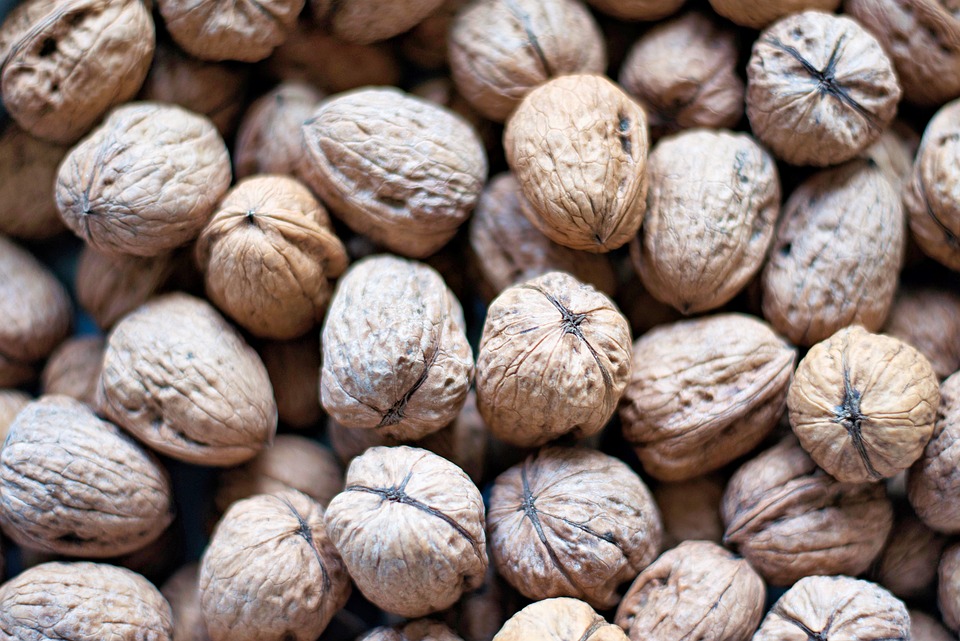
Nuts and seeds are excellent sources of healthy fats, protein, and fiber. Opt for:
- Almonds
- Walnuts
- Chia seeds
- Flaxseeds
Why They’re Beneficial
These foods help control hunger and stabilize blood sugar levels. A small handful can be a great snack or topping for salads and yogurt.
7. Greek Yogurt
Greek yogurt is thicker and creamier than regular yogurt and is low in sugar while high in protein. Look for varieties without added sugars.
Benefits of Greek Yogurt
Rich in probiotics, Greek yogurt can aid digestion and may help regulate blood sugar levels. Consider using it as a base for smoothies or as an alternative to sour cream.
8. Sweet Potatoes
Rich in fiber and vitamins, sweet potatoes are a better carbohydrate choice than regular potatoes. They have a lower glycemic index and provide plenty of nutrients.
Why Sweet Potatoes Shine
Sweet potatoes are versatile and can be roasted, mashed, or made into fries. Their natural sweetness also satisfies cravings without causing blood sugar spikes.
9. Avocados
Full of healthy monounsaturated fats, avocados can support heart health while being low in carbohydrates. They are also a good source of fiber.
The Benefits of Avocados
Including avocados in your diet can help improve cholesterol levels and provide satiety, making them perfect for salads and spreads.
10. Dark Chocolate
Yes, you read that right! Dark chocolate, when eaten in moderation, can be a satisfying treat for those with diabetes.
Why Dark Chocolate is a Wise Choice
Opt for varieties with at least 70% cocoa content, as they are lower in sugar and rich in antioxidants. Dark chocolate can potentially improve insulin sensitivity and has heart-healthy benefits when consumed in moderation.
Tips for Incorporating These Foods
To maximize the benefits of these diabetic-friendly foods, consider the following tips:
- Meal Planning: Plan your meals around these foods to ensure balanced and nutritious options.
- Portion Control: While these foods are healthier choices, moderation is key. Pay attention to portion sizes.
- Pairing Wisely: Combine different food groups for optimal nutrition. For example, pair legumes with whole grains for a complete protein source.
Conclusion
Managing diabetes can be both challenging and rewarding. By including these ten diabetic-friendly foods in your diet, you can enjoy a flavorful variety of meals while keeping your blood sugar levels stable. Remember, a balanced diet rich in whole foods is essential not just for managing diabetes but for overall health. Always consult with your healthcare provider or a registered dietitian for personalized advice tailored to your specific needs.
By embracing the goodness of these foods, you’re setting yourself up for success in your journey towards better health. Happy eating!